


Casters play a crucial role in nearly every industry, making it easier to move equipment, furniture, and machinery efficiently. Whether you are outfitting a hospital, manufacturing plant, warehouse, or even home workshop, selecting the proper caster can make all the difference in performance and longevity. To ensure the best results, factors such as weight load, maneuverability, floor compatibility, and environment must be taken into account. When sourcing solutions for demanding applications, such as in manufacturing or warehousing, a heavy duty swivel caster is a versatile choice because it provides both strength and enhanced mobility.
Choosing the optimal caster not only protects the floor but also boosts productivity and safety by matching the right wheel to the job. In environments where reliability and smooth transport are non-negotiable, proper caster selection is vital. Ignoring these factors can lead to floor damage, equipment breakdowns, or even worker injuries. Understanding the fundamentals of caster selection improves operational efficiency and reduces maintenance costs over time.
Understanding Load Capacity
The process of caster selection always begins with calculating load capacity. This refers to the total weight the casters need to support, which includes the weight of the equipment and the maximum load it may carry. To determine the necessary rating, divide the total weight by the number of casters used, then add a safety margin (usually about 25%) to account for shifting loads or sudden impacts. For example, if you have a cart that weighs 400 pounds and regularly carries an additional 600 pounds, divide 1,000 by four. The result, 250 pounds, is the minimum rating per caster, but with a safety margin, each caster should support at least 312 pounds. This approach helps prevent failures in demanding settings.
Wheel Material and Floor Compatibility
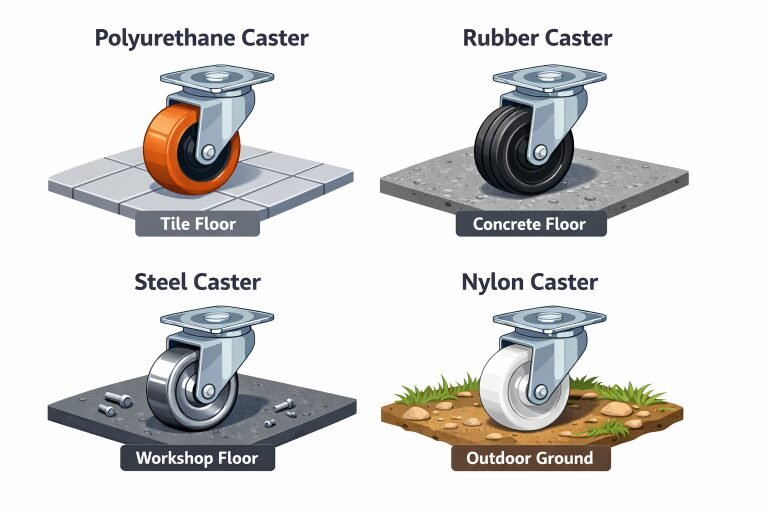
The floor type directly affects which wheel material you should use. Some surfaces require gentle wheels, while others call for robust, wear-resistant materials. Common options include:
- Polyurethane: Excellent for protecting tile, concrete, or other finished floors while providing durability.
- Rubber: Offers quiet operation and good traction but may wear out faster on rough concrete or outdoors.
- Steel or Cast Iron: Necessary for extremely heavy loads, but can damage flooring if not used with mats or protectors.
- Nylon: Lightweight and resistant to water ideal for kitchens or wet production environments.
If your facility uses tile or polished concrete, polyurethane is often preferred to reduce noise and prevent floor marking. Facilities with outdoor use may opt for tougher rubber or larger-diameter wheels for easier use on uneven ground.
Environmental Considerations
Casters must withstand more than just physical weight. Environmental conditions, such as temperature extremes and exposure to moisture and chemicals, all influence the choice. For example, high heat can soften traditional caster wheels, and high-temperature materials are required for bakeries or industrial ovens. Moisture or chemical exposure calls for corrosion-resistant options, such as nylon wheels and stainless hardware. For hospitals, offices, or schools, reducing noise is paramount; soft-tread wheels and precision bearings result in quieter operation. These environmental factors ensure casters last longer and perform reliably.
Wheel Diameter and Obstacle Navigation
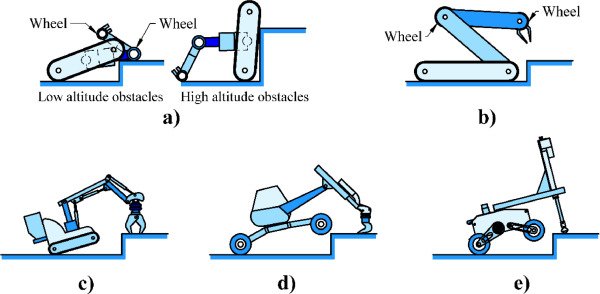
Wheel diameter determines how smoothly equipment can traverse different surfaces and how much force is required to move items. Larger wheels are not only better at overcoming obstacles, such as debris or thresholds, but also make movement more efficient by reducing the effort required. For most indoor environments, wheels with a 5-inch diameter are sufficient. If the area includes outdoor surfaces, more substantial wheels may be a better choice.
Bearing Types and Their Applications
The selection of the right type of bearing affects both the caster’s rolling smoothness and its ability to carry weight. Types of bearings include:
- Plain (Bushing): Low friction and often used for light-duty, infrequently moved equipment.
- Roller Bearing: Suitable for heavy loads and frequent movement; they provide higher load capacity overall.
- Ball Bearing: Designed for ease of rolling and frequent movement, these work well in settings where carts are in almost continuous motion.
Choosing the correct bearing type helps reduce maintenance and extends the life of both wheel and equipment.
Swivel vs. Rigid Casters
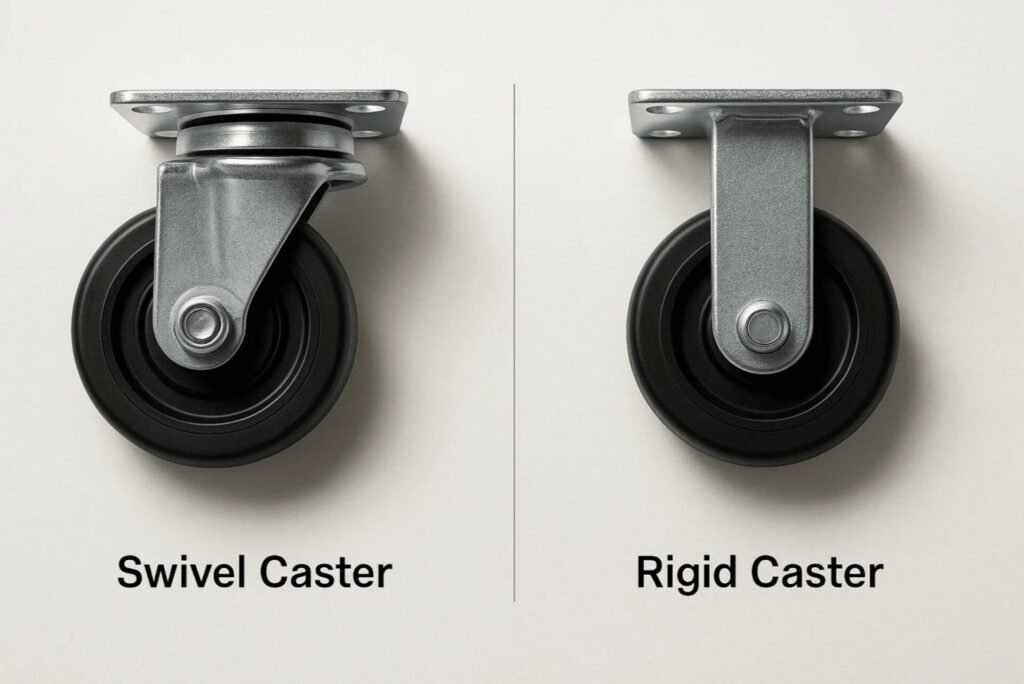
Movement requirements determine the mix of swivel and rigid casters. Swivel casters allow for complete 360-degree rotation, letting a cart maneuver easily in congested or cramped workspaces. Rigid casters, which only roll forward or backward, provide stability on straight paths. For many carts, two rigid and two swivel casters offer a practical balance of ease of use and directional control.
Maintenance and Longevity
Maintaining casters is crucial for safety and long service life. Regularly inspect for debris, uneven tread wear, and make sure bearings are lubricated. Tighten loose hardware and replace any damaged wheels or mounts immediately. Cleaning floors and wheel surfaces also prolongs caster life by reducing friction and preventing buildup that can increase wear or trip hazards.
Conclusion
Selecting the right caster involves careful evaluation of load requirements, surface types, environmental challenges, and movement needs. By systematically reviewing these criteria, you ensure safe transport, reduce risk, and get the most value from each caster investment. When the right choices are made, your equipment remains nimble, durable, and ready for any challenge.

