


Many homeowners in Bellevue want a kitchen that feels peaceful and easy to live in, but the reality often looks very different. Busy layouts, crowded counters, poor lighting, and fast-moving design trends can quickly make the space feel tiring to use. Since the kitchen often becomes the center of daily life, the atmosphere matters just as much as the appearance. A calm kitchen helps people cook comfortably, stay organized, and enjoy spending time at home.
Local homeowners are leaning toward cleaner layouts, natural finishes, and practical storage that supports everyday routines. The goal is no longer creating a showroom-style kitchen that feels untouchable. People want spaces that feel warm, functional, and timeless years after the remodel is complete. Thoughtful design choices make a bigger difference than oversized features or dramatic trends.
Make Storage Work for Daily Life
Storage planning changes how calm a kitchen feels every single day. Many homeowners focus heavily on finishes during a remodel but forget to think about where appliances, dishes, food containers, and small kitchen items will actually go. When storage feels inconvenient, clutter quickly takes over the counters and the room starts feeling chaotic.
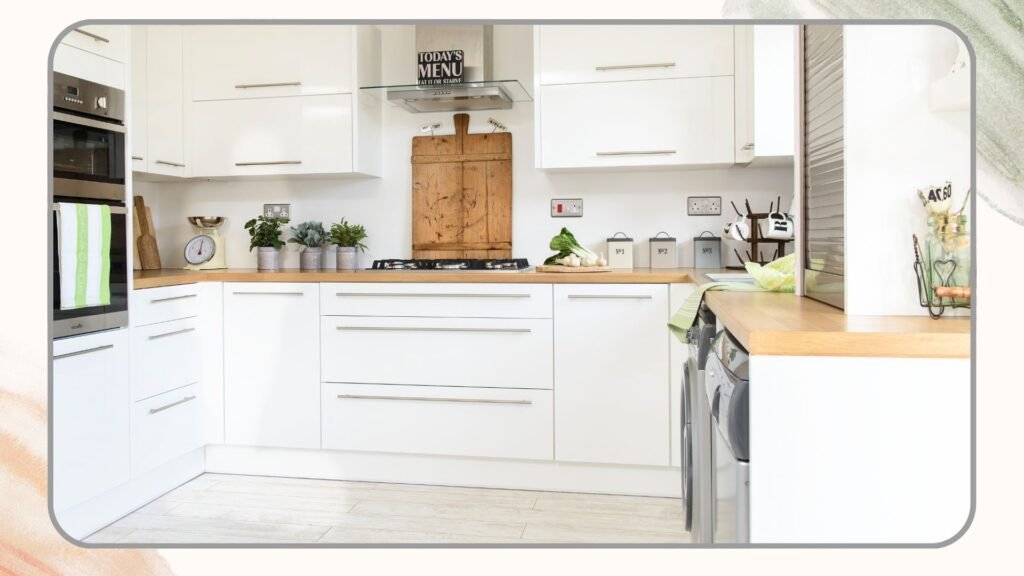
Good storage should support daily habits instead of forcing people to adjust their routines. Deep drawers often work better than lower cabinets because they make cookware easier to reach. Pull-out pantry shelves improve visibility and reduce wasted space. Hidden charging drawers help remove cords from countertops. Appliance garages keep coffee makers and toasters accessible without leaving them constantly exposed. A local Bellevue kitchen remodeling company can help homeowners customize storage based on cooking habits, family size, and how often the kitchen gets used throughout the day.
Use Colors That Feel Soft and Natural
Color has a huge effect on how a kitchen feels. Bright white kitchens can sometimes feel cold under certain lighting, especially during cloudy winters. Many homeowners now prefer softer shades that create warmth without making the room look dark. Warm whites, muted beige tones, soft gray-greens, and natural wood finishes help create a quieter and more welcoming atmosphere.
Consistency also plays an important role. Too many competing colors can make the kitchen feel visually busy, even when the layout looks clean. Cabinets, flooring, countertops, and wall colors should work together instead of fighting for attention. This does not mean everything needs to match perfectly. Small contrast through hardware, lighting, or texture usually creates a more balanced result. Simple color palettes also age better and make future updates easier.
Layer Lighting for a Softer Atmosphere
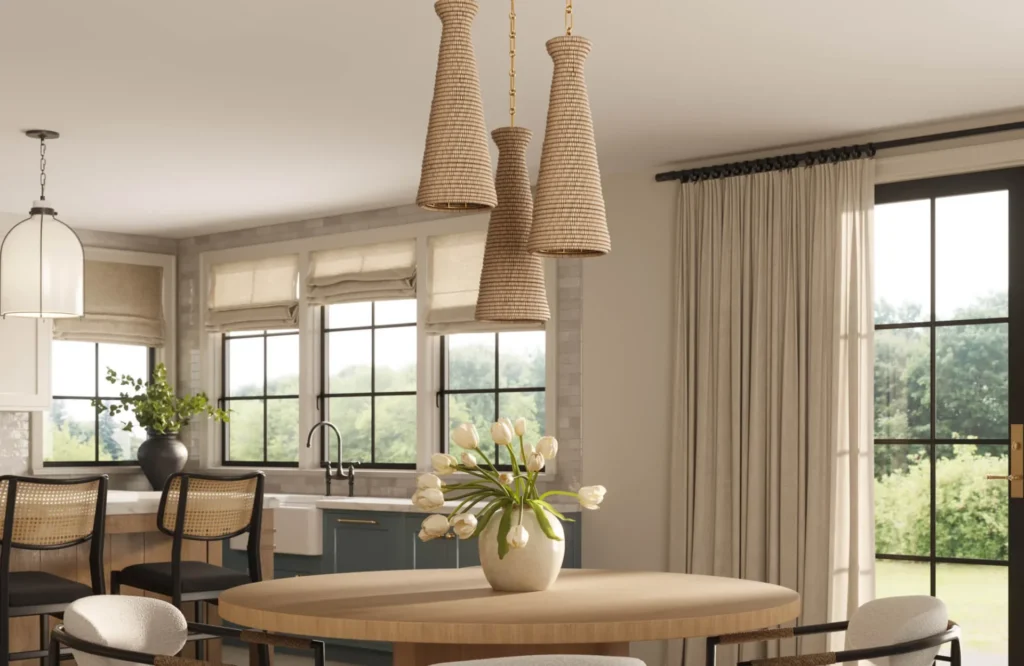
Lighting affects mood more than many people realize. A kitchen with harsh overhead lighting can feel sterile and uncomfortable, especially during evenings. Layered lighting creates a softer and more balanced environment that works better throughout the day. Instead of relying on one ceiling fixture, designers often combine recessed lights, under-cabinet lighting, pendants, and dimmers to create flexibility.
Natural light also deserves careful attention during kitchen planning. Large windows, lighter finishes, and reflective surfaces can help brighten the room without making it feel overly polished. Under-cabinet lighting improves visibility while cooking and also adds warmth during nighttime hours. Dimmers make a noticeable difference because they allow homeowners to adjust brightness depending on the activity. Soft lighting helps the kitchen feel calmer and more inviting without requiring expensive design changes.
Choose Materials That Age Gracefully
Many kitchen trends look exciting at first but lose their appeal quickly after a few years. Timeless kitchens usually rely on materials that feel durable, practical, and visually balanced over time. Natural textures tend to age more gracefully than highly glossy or heavily patterned finishes. Wood cabinetry, matte surfaces, stone-inspired countertops, and simple backsplashes often remain attractive much longer.
Maintenance also matters when selecting materials. Delicate finishes may look beautiful in photos but become frustrating in busy households.
Scratches, fingerprints, and staining can quickly change how the kitchen feels day to day. Homeowners should think carefully about durability before making design decisions. A material that looks slightly softer and more natural often hides wear better than something highly polished. Choosing finishes with long-term comfort in mind usually creates a kitchen that still feels fresh and welcoming years later.
Leave Enough Open Space to Reduce Visual Stress
A crowded kitchen often feels stressful even when everything looks expensive and modern. Too many decorative items, oversized fixtures, and busy patterns can overwhelm the room visually. Calm kitchens usually include more open surface space and fewer unnecessary details. This helps the room feel cleaner and easier to maintain throughout the week.
Open space becomes especially important around countertops, islands, and walkways. Homeowners should leave enough room for food prep, small appliances, and everyday movement without making the kitchen feel packed. Floating shelves also work best when styled lightly instead of being completely filled. Decorative pieces should feel intentional and practical. A few well-placed items often create a stronger impact than constant visual layering. Simpler layouts also make cleaning easier, which helps the kitchen stay organized without requiring constant effort from the homeowner.
Add Seating That Feels Comfortable and Practical
Seating shapes how people interact inside the kitchen. A poorly planned seating area can interrupt movement and make the room feel awkward during meals or gatherings. Comfortable seating encourages people to stay longer and use the kitchen more naturally throughout the day. In many homes, kitchen islands have become casual gathering spaces where families eat breakfast, work remotely, or talk while cooking.
Spacing matters when adding stools or built-in seating. Crowded seating arrangements make movement difficult and create unnecessary frustration. Counter height and legroom should also match the way the household plans to use the space. Upholstered stools may feel more comfortable, but easy-to-clean materials usually work better for busy homes. Soft lighting above seating areas can also make the kitchen feel more relaxed during evenings and family dinners.
A calm, clean, and timeless kitchen comes from thoughtful planning instead of dramatic design choices. Layout, lighting, storage, materials, and daily functionality all influence how comfortable the space feels over time. Homeowners are increasingly choosing kitchens that support real life rather than temporary trends. Simple finishes, practical storage, comfortable seating, and balanced lighting create a space that feels easier to use every day.
The most successful kitchens usually focus on long-term comfort and usability. A well-designed kitchen should feel organized, welcoming, and functional years after the remodel is complete. Careful decisions during the planning stage help homeowners create a space that remains stylish without constantly needing updates. Timeless kitchens stay relevant because they prioritize comfort, simplicity, and everyday living above everything else.

