


For many older adults, the desire to continue living at home brings comfort and peace of mind. However, creating a truly safe home environment requires thoughtful planning and proactive solutions. Simple upgrades, along with resources such as a panic button for seniors, can help ensure both independence and safety as we age. Families and caregivers must be aware of unique challenges, including increased fall risks, home security concerns, and the need for reliable emergency support. Addressing these issues not only protects seniors physically but also eases family members’ anxiety, knowing their loved ones can get help whenever needed.
Every home and individual is different, so regular assessments are important. Checking for potential hazards, adding adaptive devices, and staying up to date with new safety technologies can make all the difference for overall well-being. Beyond physical modifications, maintaining regular communication and preparing for emergencies are important aspects of aging in place.
These steps establish daily security routines and streamline rapid responses in case of the unexpected.
Fall Prevention Strategies
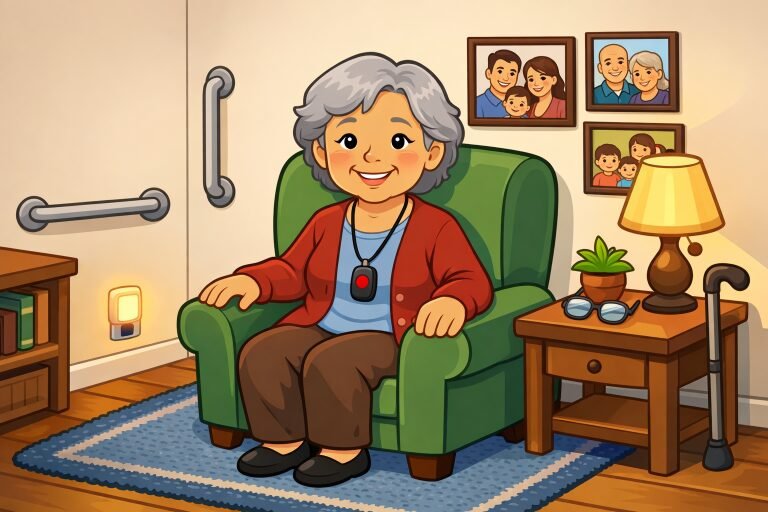
According to the Centers for Disease Control and Prevention, falls are the number one cause of injury among older adults. Even minor home changes can dramatically reduce this risk. Installing grab bars in bathrooms and hallways, adding sturdy handrails on stairs, and ensuring floors are clutter-free all help prevent falls. Consider improving lighting throughout the home, particularly in entryways and along routes to the bathroom at night, to eliminate shadows and tripping hazards.
- Grab Bars and Rails: Provide support in high-risk areas such as showers and next to toilets.
- Improved Lighting: Use bright LED bulbs and nightlights to illuminate pathways and stairs.
- Hazard Removal: Secure rugs with non-slip pads, tuck away loose wires, and keep walkways free of obstacles.
For more fall prevention tips and guidance, visit the National Institute on Aging.
Enhancing Home Security
Effective home security is a key part of safe aging in place, especially for those living alone. Advanced alarm systems and monitored security services can give both seniors and their families added confidence. Many security companies now offer wearable alarms and video doorbells, making it easier to contact help quickly or screen visitors safely.
- Monitored Alarms: Professional monitoring ensures that emergency services can be dispatched instantly if needed.
- Surveillance Cameras: Video surveillance lets family members check in remotely, providing peace of mind and extra oversight.
- Smart Locks: Digital locks with code access or remote controls reduce concerns about lost keys and accidental lockouts.
Modern home security solutions protect seniors from both internal and external threats while allowing caregivers and loved ones to monitor safety discreetly.
Fire Safety Measures
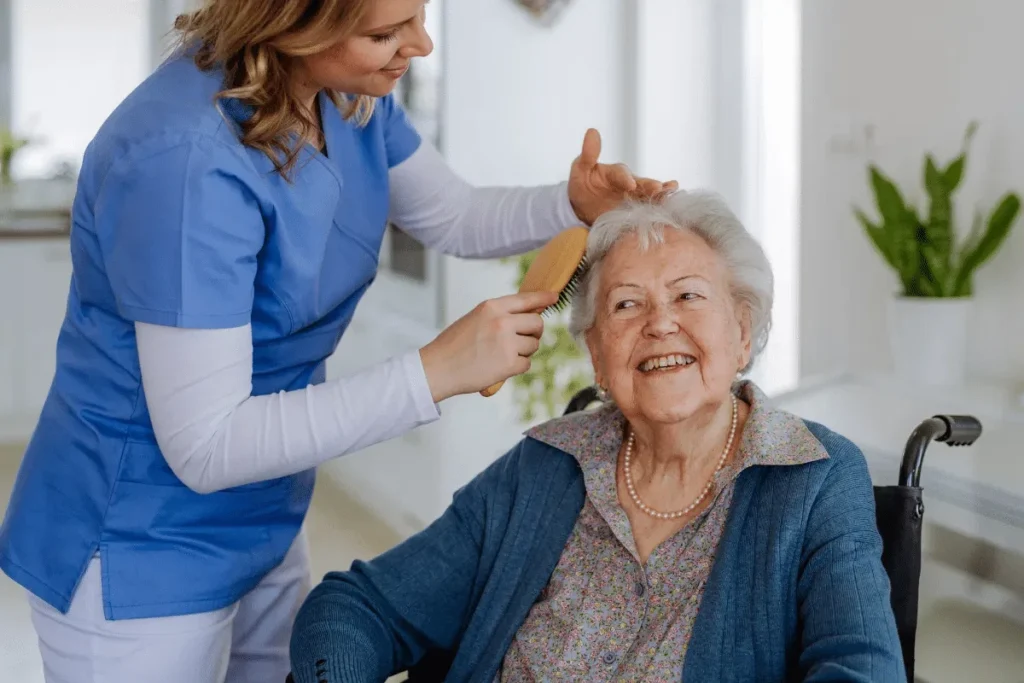
Fires can be devastating, especially when escape routes or mobility are limited. Smoke detectors must be installed on each floor and checked regularly to ensure they work. Appliances such as stoves and space heaters with auto-shutoff features add another level of protection by minimizing the risk of unattended fires. Planning and practicing evacuation routes, with clear paths and accessible exits, helps seniors remain calm and act quickly in the event of a fire.
- Regular Alarm Checks: Change batteries on a set schedule and confirm alarms are in good working order during routine safety checks.
- Safe Appliances: Choose devices with fail-safe shut-off mechanisms. Avoid using extension cords or overloading outlets.
- Evacuation Planning: Identify at least two possible exits and keep them free from clutter or obstructions at all times.
More home fire safety advice can be found on the American Red Cross website.
Medication Management
Many seniors take multiple medications daily, increasing the risk of missed doses or harmful drug interactions. Using pill organizers makes it easy to keep track of regimens, while alarms or mobile apps can provide timely reminders. It is important for older adults and caregivers to regularly review medications with healthcare professionals to confirm dosages are correct and all prescriptions are still needed.
- Pill Organizers: Visible, labeled containers help ensure every dose is accounted for each day.
- Reminders: Set up alerts on smartphones or through wearable devices.
- Pharmacy and Doctor Check-ups: Ask questions about medication interactions and request regular reviews to avoid overmedication or unsafe combinations.
Smart Home Technologies
Smart home tools are revolutionizing safety for seniors, making independent living more realistic for many. Motion-activated lighting and sensor-based alarms can detect unusual movement or inactivity and send alerts. Smart doorbells let residents see who is at the door from their phones, while wearable medical alert systems ensure help is always just a button away.
- Motion Lighting: Reduces nighttime trips and fall risks by automatically illuminating walkways.
- Remote Doorbells: Provide visual and audio verification of visitors, reducing the chance of scams or unwanted solicitation.
- Medical Alerts: Discreet pendants or watches enable instant emergency communication without a phone.
Adopting these technologies empowers seniors to stay connected and protected without sacrificing their autonomy.
Emergency Preparedness
Being ready for unexpected events is essential. A communication plan for key contacts, including doctors, family, and local emergency services, should be posted in a visible location. Preparing an emergency kit stocked with basic supplies, extra medication, bottled water, and medical documents ensures essential needs are met even if regular support is temporarily unavailable. Routine drills or reviews help everyone know exactly what to do in a crisis.
- Communication Plans: Keep a printed list of important contacts on the fridge or near the phone.
- Emergency Kits: Place kits in an easily accessible area and restock them as supplies are used.
Practice Protocols: Periodically walk through escape routes and emergency procedures with caregivers or family members.
Conclusion
By implementing these safety solutions, older adults can enjoy the benefits of aging in place without compromising their health or security. Regularly updating home assessments, integrating new technologies, and sharpening emergency plans safeguard independence while helping everyone sleep better at night.

