

Most fashion brands run on vibes. A brand feels cheap, the clothes fall apart, somebody on TikTok said the factories are bad, onto the list it goes. This one runs on paper. Every brand below has a documented record: an undercover camera, a court-tested exposé, a government report, or an audit the company itself commissioned and then had to answer for. That is a much shorter list than the vibes version, and a much harder one to argue with.
Shein: An Undercover Reporter, 18-Hour Days, And Pay Docked For Mistakes
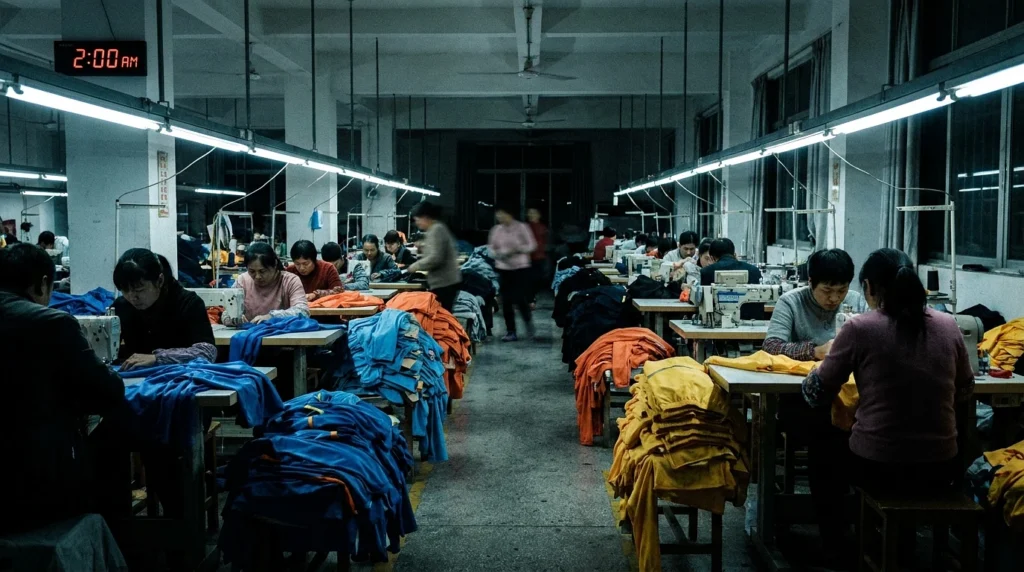
The single most damning piece of evidence against Shein came from a hidden camera. In October 2022, Channel 4 aired Untold: Inside the Shein Machine, built on footage from a reporter who took jobs inside two Chinese factories supplying the brand. What she filmed: shifts running up to 18 hours, starting at 8am and sometimes ending at 2am, one day off per month, and a penalty system where a single garment mistake could cost a worker most of a day’s pay. One worker on camera said “there’s no such thing as Sundays here”.
Shein’s response is the interesting part. The company commissioned its own audit through Intertek and TUV, then admitted in December 2022 that workers at two supplier sites were doing 12.5 to 13.5-hour days, shorter than the documentary claimed but still over the legal limit, and pledged $15 million to fix supplier factories.
Did the money work? The Swiss watchdog Public Eye went back in 2024, three years after its first investigation found 75-hour weeks, and reported the same 75-hour weeks were still common, based on interviews with workers at six supplier factories in Guangzhou. Separately, lab testing commissioned by Bloomberg in 2022 twice found cotton from China’s Xinjiang region in Shein garments shipped to the US, the region at the centre of forced labour sanctions. When a UK parliamentary committee asked Shein’s own lawyer in 2025 whether its products contained Xinjiang cotton, she declined to answer the question in the room.
Temu: A Congressional Report Said The Quiet Part In Writing
Temu sells everything, not just clothes, but its fashion volume alone earns it a place here. The evidence is unusually official. In June 2023, the US House Select Committee on the Chinese Communist Party published bipartisan interim findings from its investigation into both Temu and Shein. On Temu, the committee’s chairman summarised the finding in three words: the company was doing “next to nothing” to keep forced labour out of its supply chains, with no meaningful system for complying with the Uyghur Forced Labor Prevention Act.
The same report laid out the mechanism that keeps prices impossibly low. Temu and Shein together were estimated to account for more than 30 percent of all daily de minimis packages entering the US, the customs loophole that let sub-$800 parcels arrive uninspected and duty-free. Cheap was not an accident of efficiency. It was partly a customs strategy, in the committee’s own analysis.
Boohoo: £3.50 An Hour, Twenty Minutes From A British City Centre
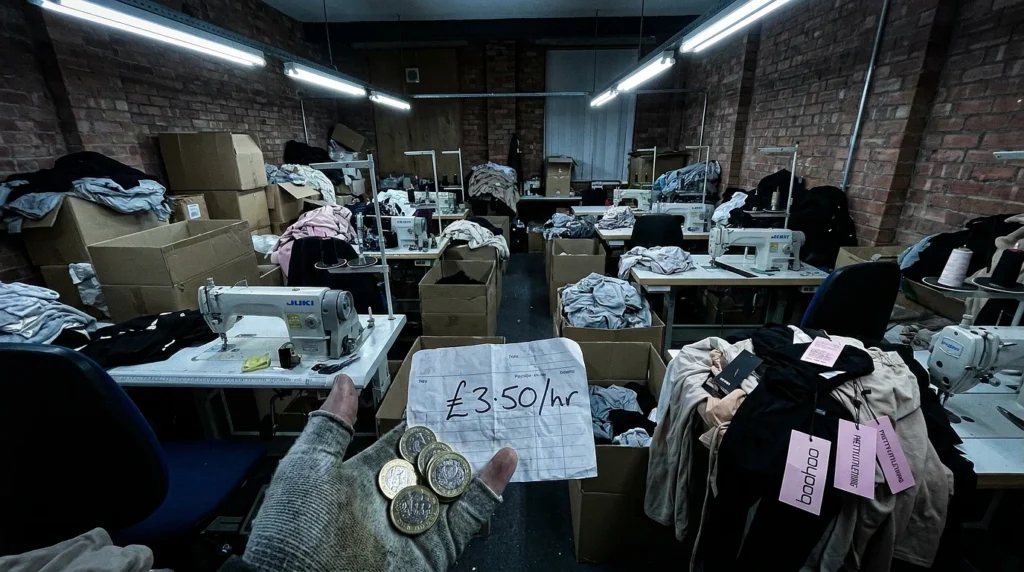
The Boohoo case matters because it demolished the comfortable idea that sweatshop conditions only exist overseas. On 5 July 2020, the Sunday Times published an undercover investigation into Leicester factories making Boohoo clothes, reporting pay as low as £3.50 an hour when the UK minimum wage for over-25s was £8.72. In England. During a pandemic lockdown, with some sites reportedly operating without protection measures.
Boohoo initially pushed back, then commissioned barrister Alison Levitt QC to review the allegations independently. Her report, published in September 2020, found the core claims substantially true and concluded the company had received repeated warnings and red flags about its Leicester supply chain and failed to act on them until too late. Spot checks that summer found workers on £3 an hour with wages delayed up to seven weeks. The exposé wiped over £1.5 billion off Boohoo’s market value, and a group of 49 institutional investors later sued the company over statements it had made before the scandal broke.
Worth knowing when you shop: Boohoo Group also owns PrettyLittleThing, Nasty Gal, BoohooMAN and, since 2021, the online-only revivals of Debenhams and Dorothy Perkins. Same supply chain decisions, different logos.
Fashion Nova: Back Wages In Los Angeles And Suppressed Reviews
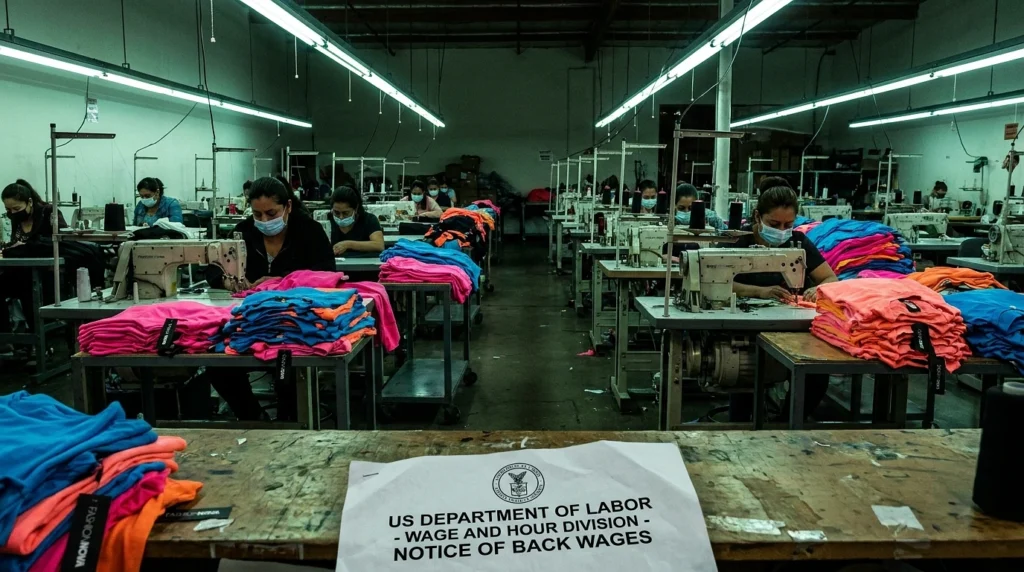
Fashion Nova built its empire on Instagram, and its documented problems are American. A December 2019 New York Times investigation reported that US Department of Labor inquiries had found Los Angeles factories sewing Fashion Nova clothes owed workers $3.8 million in back wages, with some seamstresses reportedly earning as little as $2.77 an hour, paid per garment. The brand’s position was that the factories were independent contractors, the standard arm’s-length defence across the whole industry.
The Federal Trade Commission then came in twice. In April 2020, Fashion Nova agreed to pay $9.3 million over failures to ship goods on time and improper refund practices. In January 2022, it paid $4.2 million to settle FTC charges that it had blocked hundreds of thousands of negative customer reviews from appearing on its site, the first FTC case of its kind. Suppressed reviews are not a labour abuse, but they tell you plenty about how a brand handles inconvenient information.
What The Evidence Has In Common
Line the cases up and the same patterns repeat regardless of country:
- Piece-rate or sub-minimum pay documented by an outside investigator, never by the brand’s own audits first.
- An initial denial, followed by an internal review that confirms most of it.
- A compensation or improvement fund announced, followed by later checks finding conditions largely unchanged.
- Supply chains structured so the brand can say it owns no factories.
That last one is the tell. None of these companies stitches its own clothes, and the distance is the point.

