


To select the best makeup brushes as a beginner, focus on a small, versatile set made with soft, durable bristles and shapes that match your routine. Prioritize quality over quantity, choose brushes suited to your preferred products, and learn basic care to ensure long-lasting performance.
Starting your makeup journey can feel overwhelming, especially when faced with countless brush options in different shapes, sizes, and materials.
Many beginners assume they need a large collection to achieve professional results, but the truth is much simpler. Choosing the right makeup brushes is about understanding your needs, recognizing quality, and selecting makeup tools that make application easier and more effective.
Instead of buying everything at once, beginners should build a small, functional set that covers the essentials. With the right brushes, makeup blends more smoothly, looks more natural, and becomes much easier to apply. Whether you prefer a minimal everyday look or something more detailed, the right tools make all the difference.
Why Choosing the Right Makeup Brushes is Essential for Beginners
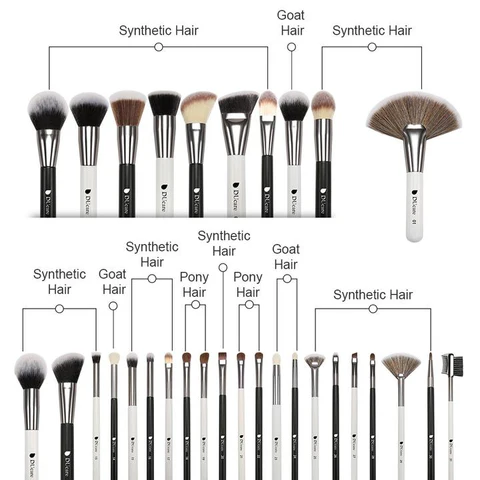
Using the correct makeup brushes is not just about convenience; it directly affects how your makeup looks and how easy it is to apply.
First, good brushes improve product application. A high-quality foundation brush helps create an even base, while a well-shaped blending brush ensures seamless eyeshadow transitions. Poor tools can lead to streaks, patchiness, and uneven coverage.
Second, the right brushes save both time and product. When brushes are designed for specific tasks, they pick up and distribute makeup efficiently. This means less waste and faster application, which is especially helpful for beginners still developing their skills.
Third, investing in quality brushes can benefit your skin. Cheap brushes often have rough bristles that can irritate the skin or cause breakouts if they shed or trap bacteria. Learning about proper brush hygiene is also important.
Lastly, the right tools boost confidence. When your makeup applies smoothly and looks polished, you are more likely to enjoy the process and experiment with new styles.
What Are Makeup Brushes?
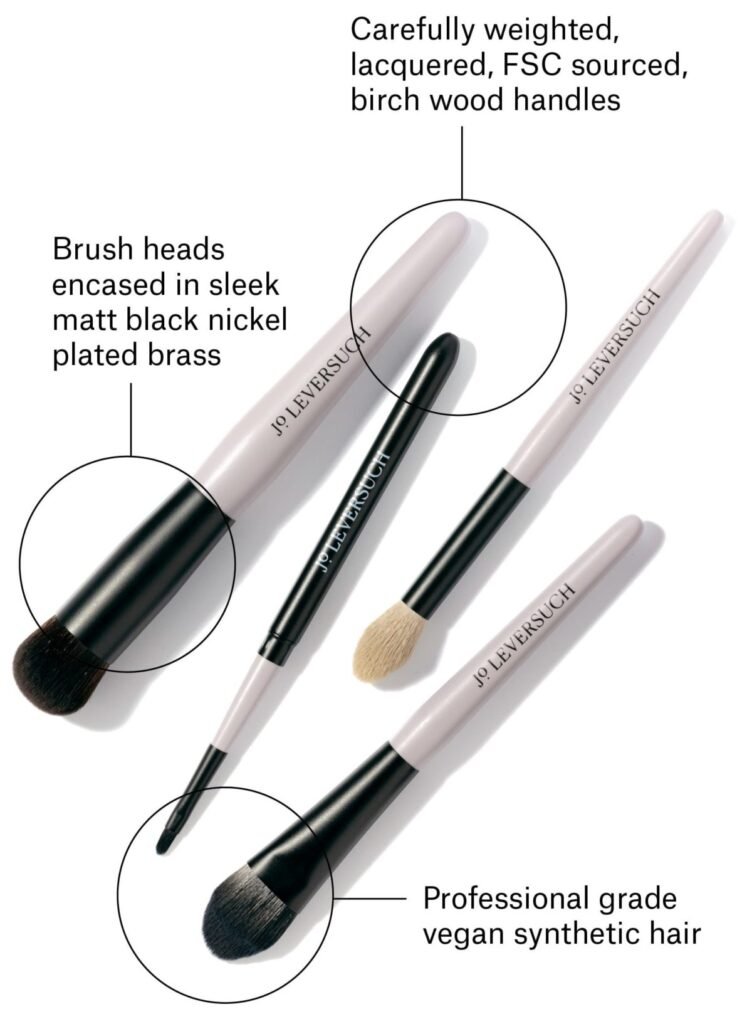
Makeup brushes are specialized tools designed to apply, blend, and refine different types of cosmetic products. They come in various shapes and sizes, each serving a specific purpose.
Brushes generally consist of three parts:
- Bristles – These can be natural or synthetic and determine how the product is picked up and applied
- Ferrule – The metal part that connects the bristles to the handle
- Handle – The grip that allows control during application
There are two main types of bristles:
- Synthetic brushes – Best for liquid and cream products like foundation, concealer, and cream blush. They are also more hygienic and cruelty-free
- Natural brushes – Often used for powders because they pick up pigment well and blend smoothly
Understanding these basics helps beginners choose brushes that suit their preferred products and routines.
How to Choose the Right Makeup Brushes for Your Needs
Selecting makeup brushes does not have to be complicated. Focus on your daily routine and choose tools that support it.
1. Start with the Essentials
Beginners only need a few key brushes:
- Foundation brush or sponge
- Powder brush
- Blush brush
- Eyeshadow blending brush
- Flat eyeshadow brush
- Angled brush for brows or eyeliner
These basics cover most everyday makeup looks and help you build confidence without overwhelming you.
2. Consider Your Makeup Products
Your choice of brushes should match the type of products you use:
- Cream or liquid products work best with synthetic brushes
- Powder products blend better with fluffier brushes
If you are experimenting with eye makeup, you might find helpful insights in this detailed guide on building a product range:
Understanding how products are formulated can help you choose the right tools for applying them effectively.
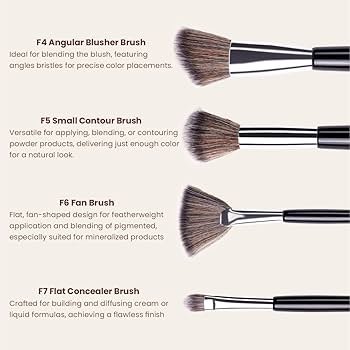
3. Focus on Brush Shape and Function
Each brush shape serves a purpose:
- Flat brushes – Great for packing color onto the eyelids
- Fluffy brushes – Ideal for blending and diffusing harsh lines
- Angled brushes – Perfect for brows or precise eyeliner application
- Dense brushes – Provide fuller coverage for foundation
Learning these basic functions makes it easier to select brushes without guessing.
4. Check for Quality
High-quality brushes feel soft, dense, and secure. The bristles should not shed easily, and the handle should feel sturdy. A well-made brush maintains its shape after washing and provides consistent performance.
You can also explore professional advice on brush selection through trusted resources like https://www.makeupforever.com/int/en/makeup-services/makeup-tips/brush-guide, which offers helpful insights into brush types and uses.
5. Think About Your Skin Type
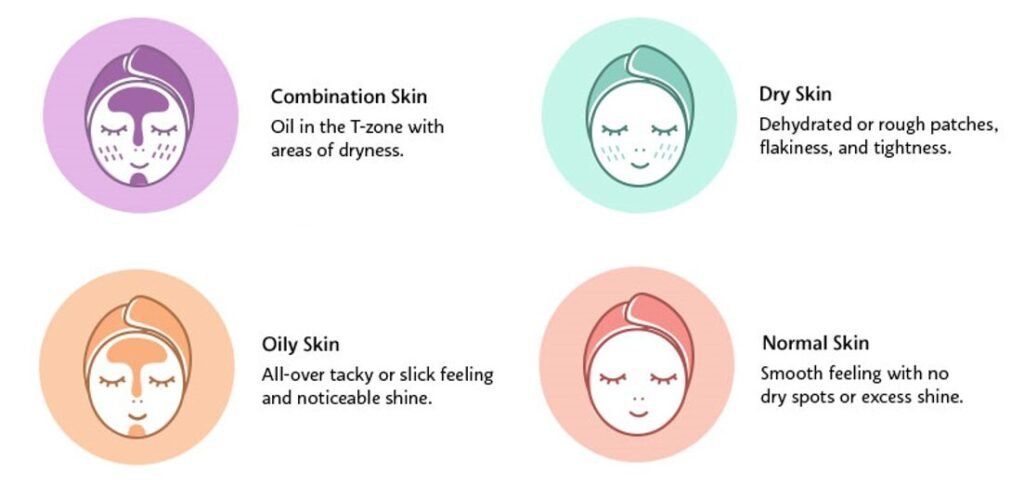
If you have sensitive skin, choose ultra-soft brushes that minimize irritation. For oily or acne-prone skin, synthetic brushes are often easier to clean and maintain.
Pairing your tools with the right skincare routine can enhance your results. For example, addressing skin concerns before makeup application is key. You might find this guide useful.
6. Do Not Overbuy
Many beginners make the mistake of purchasing large brush sets. Instead, start small and expand as you learn what works best for you. A curated collection is more practical and cost-effective.
7. Maintain Your Brushes
Regular cleaning is essential for performance and hygiene. Dirty brushes can affect application and lead to skin issues. Aim to clean your brushes weekly using gentle cleansers.
If you are focusing on enhancing specific features like brows, pairing the right tools with proper care matters.
Summary your needs
Selecting the best makeup brushes for beginners is about simplicity, quality, and understanding your needs. You do not need an extensive collection to achieve beautiful results. A few well-chosen brushes can transform your routine and make makeup application more enjoyable and effective.
Focus on versatile tools, invest in good quality, and take time to learn how each brush works. As your skills grow, you can expand your collection with confidence and purpose. With the right brushes in hand, achieving a polished and professional look becomes much easier.
Frequently Asked Questions
How do I know if a brush is high-quality?
A high-quality brush feels soft on the skin, has dense and well-shaped bristles, and does not shed easily. The handle should be sturdy, and the brush should maintain its shape after washing.
Which brush is best for applying powder?
A large, fluffy powder brush is ideal. It distributes product evenly and creates a natural, airbrushed finish without looking heavy.
How do I pick the right eyeshadow brushes?
Start with a flat brush for applying color and a fluffy blending brush for softening edges. As you improve, you can add more specialized brushes for detail work and precision.

