


Most people believe they’re reasonably careful about their safety. They lock their doors, look both ways before crossing the street, and avoid obviously dangerous situations. But there’s a substantial gap between thinking about safety and actually practicing it. The truth is, many critical personal safety habits get pushed aside until an emergency forces them to the front of our minds.
The problem with waiting for something bad to happen is that prevention becomes impossible once you’re already in crisis mode.
Learning from experience sounds wise, but when it comes to safety, learning beforehand is infinitely better.
The Stubborn Myth of “It Won’t Happen to Me”
Human nature plays tricks on us when it comes to risk assessment. The brain tends to dismiss dangers that haven’t personally affected us yet.
Why Smart People Make Dumb Safety Choices
If you’ve never been in a house fire, buying a fire extinguisher seems less urgent than replacing your worn-out shoes. If you’ve never had a medical emergency, organizing your health information feels like something you can do “eventually.” This optimism bias serves us well in many areas of life, but it becomes a liability when basic personal safety habits fall by the wayside.
The most overlooked safety practices are often the simplest ones, which makes ignoring them all the more frustrating in hindsight.
We all know someone who learned this lesson the hard way, yet we still think we’re somehow exempt from the same risks.
When Seconds Count and Nobody Knows Your Medical History
Emergency responders arrive on scene and need information immediately. Your blood type, allergies, medications, and pre-existing conditions. But your phone is locked, your wallet is somewhere in the wreckage, and you can’t speak.
The Information That Could Save Your Life
A medical wristband solves this problem in the most straightforward way possible. Unlike a card tucked in your wallet that might be overlooked during trauma care, a medical wristband stays visible on your body where first responders are trained to look for it.
Here’s who really needs to think about this:
- People with diabetes who could be mistaken for intoxicated during a low blood sugar episode
- Anyone with severe allergies to medications like penicillin or latex
- Individuals with epilepsy, heart conditions, or bleeding disorders
- Those taking blood thinners or other medications that affect emergency treatment
- People with implanted devices like pacemakers or metal joints
The resistance to wearing a medical wristband often comes from vanity or the assumption that “nothing will happen to me.” But accidents don’t send calendar invitations. A simple fall, a car accident, or a sudden allergic reaction can happen to anyone, and having your critical health information immediately accessible could mean the difference between appropriate treatment and dangerous guesswork.
Your Emergency Contacts Aren’t as Obvious as You Think
Even if you have no medical conditions, consider this: if you’re unconscious, how will hospital staff know who to call? Your phone probably has a passcode. Most people don’t carry a written emergency contact. A medical wristband with at least one emergency contact number takes care of this problem for about twenty dollars.
Your Home Is Probably Less Safe Than You Think
Walk through your home right now and ask yourself: do you know where your fire extinguisher is? When did you last test your smoke detectors? Do you have a carbon monoxide detector, and if so, when was it last replaced?
The Safety Devices Collecting Dust
These questions make most people uncomfortable because the answers reveal gaps in their safety habits. Creating a home safety checklist and reviewing it quarterly transforms these neglected tasks into routine personal safety habits.
What actually needs checking every few months:
- Smoke detectors in every bedroom and hallway (test the button, replace batteries annually)
- Carbon monoxide detectors near sleeping areas (replace the entire unit every 5-7 years)
- Fire extinguishers (check the pressure gauge, make sure everyone knows where it is)
- Emergency exit routes from every room (especially important if you have kids)
- First aid kit supplies (medications expire, bandages get used up)
Mark your calendar for the first day of each season and spend thirty minutes on this. That’s two hours per year to address the safety habits that could prevent tragedy. Most people spend more time than that scrolling through social media in a single day.
The Window and Door Problem Nobody Mentions
Ground-floor windows and sliding doors are incredibly easy entry points, yet most people only lock their main doors. Window locks take minutes to install and cost almost nothing. A security bar for sliding doors is even simpler. These aren’t about living in fear. They’re about making your home a harder target than the one next door.
Your Digital Life Is Probably Wide Open
Physical safety gets more attention than digital safety, yet our digital lives contain everything valuable to us: financial information, personal communications, photos, and access to every account we own.
Why “Password123” Is Still Somehow a Thing
Most people use weak passwords, repeat the same password across multiple sites, and never enable two-factor authentication until after they’ve been hacked. Digital personal safety habits deserve the same priority as locking your doors at night.
The bare minimum for digital safety:
- Use a password manager (it remembers everything so you don’t have to)
- Enable two-factor authentication on email, banking, and social media accounts
- Update your phone and computer software when prompted (those updates patch security holes)
- Don’t click links in unexpected emails, even if they look legitimate
- Review your financial statements monthly for suspicious charges
The “it won’t happen to me” mentality is even more dangerous online because digital threats are far more common than physical ones. Data breaches happen constantly, and criminals actively target regular people, not just corporations or celebrities. Your information is worth money to hackers, whether you feel important or not.
Walking Around Like You’re in a Protective Bubble
People walk around in public with headphones on, eyes glued to their phones, completely unaware of their surroundings. This behavior has become so normalized that pointing it out sounds paranoid.
Situational Awareness Without the Paranoia
Being aware doesn’t mean living in fear or suspecting everyone around you. It simply means paying attention to your environment, noticing who’s nearby, and having a general sense of what’s happening around you. This awareness gives you time to avoid problems before they escalate.
Simple practices like keeping one earbud out while walking, periodically looking up from your phone, and trusting your instincts when something feels off are basic personal safety habits that dramatically reduce vulnerability. Criminals and predators specifically look for distracted, unaware targets because they’re easier to approach and surprise.
Think of it this way: animals in the wild constantly scan their surroundings. They eat, play, and rest, but they always maintain awareness. Humans have somehow convinced themselves that being oblivious is normal. It’s not. Your brain is designed to pick up on environmental cues, but only if you let it.
Your Car Is Not as Ready as You Think
Cars break down. Accidents happen. The weather turns dangerous. Yet most people drive around without a basic emergency kit in their vehicle.
What Should Actually Be in Your Trunk
A flashlight, jumper cables, basic tools, water, non-perishable snacks, a blanket, and a first aid kit take up minimal trunk space but prove invaluable during unexpected situations. Add a phone charger that works without your car running, and you’re substantially better prepared than most drivers.
Essential car emergency supplies:
- Flashlight with extra batteries (check them twice a year)
- Jumper cables or a portable jump starter
- Basic tool kit with screwdrivers, pliers, and duct tape
- A gallon of water and some protein bars
- Warm blanket and a change of clothes
- First aid kit with any personal medications you might need
- Reflective triangles or flares for roadside visibility
Beyond physical supplies, personal safety habits for drivers include keeping the gas tank above one-quarter full, maintaining regular service schedules, and knowing basic troubleshooting steps. Learning how to change a tire before you have a flat on a dark highway is significantly less stressful than trying to figure it out in the moment.
Why That Medical Wristband Matters Here Too
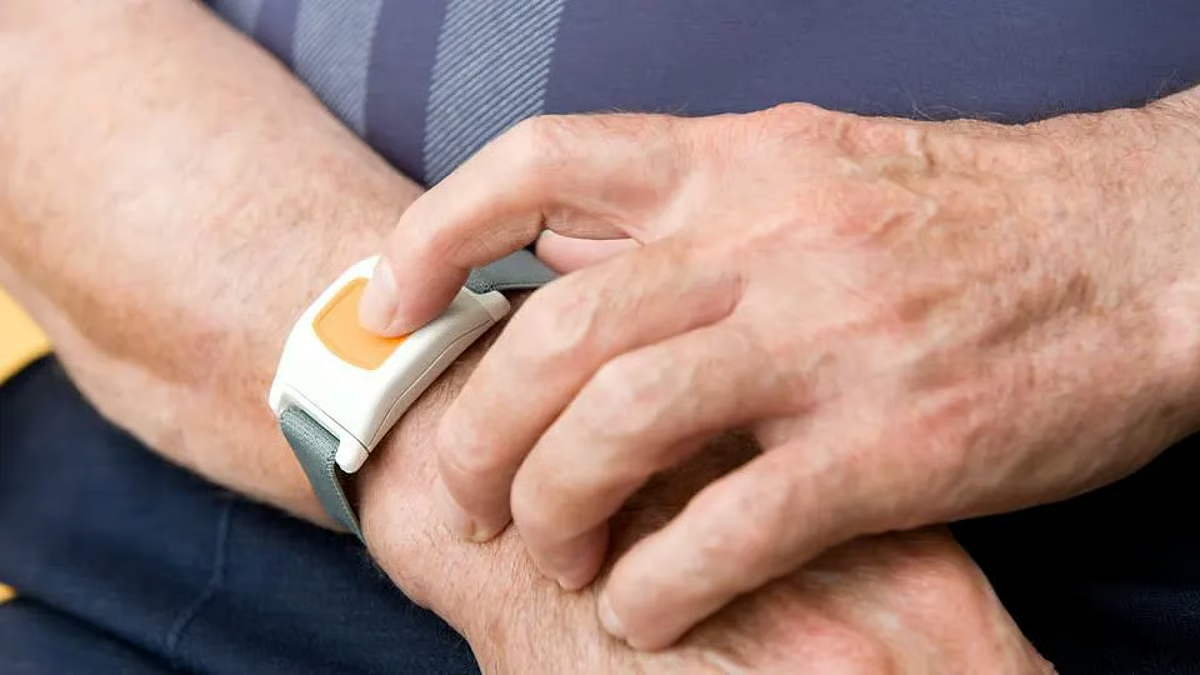
Car accidents are among the most common scenarios where you might be unconscious or unable to communicate your medical needs. Having that information visible can alert paramedics to conditions that affect treatment decisions. If you won’t wear one daily, at least keep it in your car and put it on for long drives.
The Check-In Habit That Feels Annoying Until It Saves Your Life
People disappear without a trace more often than most realize, not because of elaborate crimes, but because no one knew where they were or expected to hear from them.
Creating Your Personal Safety Net
Establishing regular check-ins with friends or family members is a simple safety habit that creates a notification system if something goes wrong. This practice becomes particularly important when hiking, traveling alone, or trying new activities.
Telling someone where you’re going, what you’re doing, and when you expect to return takes thirty seconds but provides a critical safety net. If you don’t check in as planned, someone knows to look for you and has information about where to start.
The resistance to this habit often stems from not wanting to feel controlled or from assuming independence means not “bothering” anyone with your whereabouts. But safety and independence aren’t opposites. Adults can maintain their freedom while also being responsible for their well-being. Your friends and family would much rather get a quick text than wonder if you’re okay.
Having a First Aid Kit You Don’t Know How to Use
Most people have a first aid kit somewhere in their home. Fewer people know how to use what’s inside it. The gap between having safety equipment and knowing how to use it effectively is enormous.
Skills That Actually Matter in an Emergency
CPR, the Heimlich maneuver, how to stop bleeding, recognizing signs of stroke or heart attack, and basic wound care are skills everyone should learn. Community centers, hospitals, and organizations like the Red Cross offer affordable or free training courses that can be completed in a few hours.
These personal safety habits extend beyond self-protection. Knowing first aid means you can help family members, coworkers, or strangers during emergencies. The confidence that comes from knowing what to do during a crisis reduces panic and improves outcomes.
Basic first aid isn’t complicated, but it does require some actual instruction. Watching a video helps, but taking an in-person course where you practice on a dummy makes the skills stick. When someone is choking or not breathing, you don’t want to be Googling instructions.
Actually Making These Changes Instead of Just Feeling Guilty
Knowing what you should do and actually doing it are different things. Building lasting personal safety habits requires removing barriers and creating systems that make the safe choice the easy choice.
Pick one neglected area and address it this week. Maybe that means finally ordering a medical wristband, scheduling a first aid course, or setting up a password manager. Once that habit becomes routine, add another.
The goal isn’t perfection but rather consistent improvement. Each small safety habit you adopt compounds over time, creating a lifestyle that’s significantly more protected than before. The best time to start was years ago. The second-best time is right now, before something happens that makes you wish you had.
Stop waiting for a wake-up call. The whole point of prevention is that you never need the lesson.

