



Studies have suggested almost as many as 4,000 cases annually might be accredited to surgical mishaps. These procedural errors are preventable and are influenced by several human-factor errors committed in the course of an operation.
The National Institute of Health asserts that approximately 51% of wrong-site cases lead to temporary severe harm, while 36% eventually end in permanent severe harm. By filing a surgical error lawsuit, patients are given the opportunity to ask for compensation if the preventable mistakes during surgery result in injury, complications, or death.
These cases closely connect to medical malpractice, which may involve acts such as wrong-site surgery, anesthesia errors, retained surgical instruments, or postoperative negligence.
If neglect was proven and exhibited by health care workers, the patient has the legal right to claims for financial loss and personal anguish.
The extent and mode of compensation depend on the severity of an injury, its future effects, and the variables connected with the error.
Let’s discuss the types of compensation one can get from filing a surgical error lawsuit.
Types of Damages Available in Surgical Error Cases

Compensation in a surgical error lawsuit is classified under two types of financial compensation: economic damages and non-economic damages.
Economic damages provide compensation for all financial losses that can be measured. The expenses include all medical costs that the patient has already paid and will pay in the future, all expenses for extra surgery and rehabilitation that the patient needs that resulted from the error, and all earnings that the patient lost during recovery.
Non-economic damages provide compensation for actual losses that become difficult to measure. The most common type of non-economic damages includes pain and suffering, which consists of both physical discomfort and the mental suffering that results from a medical mistake.
Related claims may include loss of enjoyment of life and emotional distress. The former prevents a patient from participating in activities that were meaningful before the incident. The latter covers documented psychological harm such as anxiety, depression, or post-traumatic stress resulting from the event.
Many states impose caps on non-economic damages in medical malpractice cases, which establish a fixed limit for each type of damage that can be recovered in this category despite jury determinations of the actual amount.
Medical Expenses as the Foundation of a Claim
According to Charlotte medical malpractice lawyer William (“Bill”) H. Elam, a medical malpractice claim can recover the cost of medical bills, income that you lost during recovery, and the cost of the emotional and physical suffering you’ve gone through.
Surgical error claims’ main focus rests on medical expenses, which result from the errors. The error leads to recoverable expenses, which include hospital stays, corrective procedures, prescription medications, physical therapy, and ongoing specialist care. Future medical costs become recoverable when an injury needs extended treatment or results in permanent medical issues.
Complete documentation serves as an important requirement for this section of a claim. The complete extent of these losses is established by combining medical records, billing statements, itemized receipts, and physician statements regarding future treatment requirements.
The claimant’s recovery rights get reduced through documentation gaps, which makes it necessary to keep all records from the moment of the error until the present day.
Lost Income and Earning Capacity
The income lost during the period when a patient cannot work as a result of surgical error is recoverable as economic damage. Documentation for this damage typically includes pay stubs, employer correspondence confirming the absence, and tax records establishing baseline earnings.
The claim will extend to future lost earnings when the injury prevents the patient from working in their previous job. The calculation compares the patient’s potential earnings without the injury against their projected earnings based on the permanent impact of the injury.
Experts from vocational and economic fields provide testimony to determine this value in cases that involve serious injuries.
Emotional Distress and Pain and Suffering
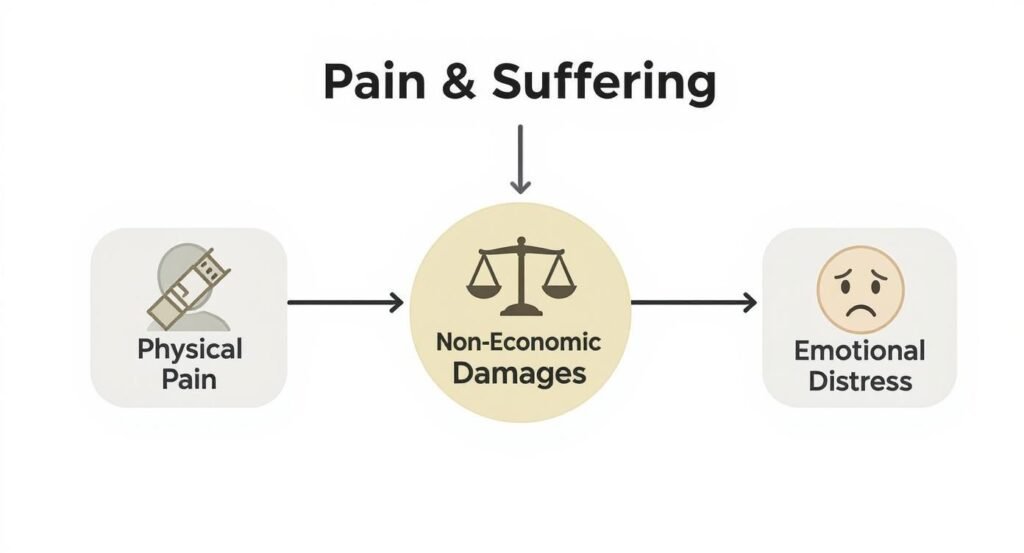
Emotional distress damages are granted in surgical error cases but require proof that shows psychological damage was caused by the negligent act. The claim is supported by medical records from mental health providers, therapy notes, and personal accounts that describe how the injury has affected daily life.
Most people seek emotional distress relief through their pain and suffering claims, which they pursue as part of their overall legal case. Litigation of surgical error cases follows distinct legal criteria for establishing liability involving emotional distress, as these cases are more difficult to initiate legally.
Any competent attorney in the medical malpractice area can review facts of any specific case to determine the approach necessary and adequate.
Punitive Damages in Surgical Error Cases
The majority of surgical error claims base their allegations on negligent behavior, which allows them to prove their claims. The law considers ordinary negligence as a basis for claiming damages but actual punitive damages require proof of harmful actions that exceed basic professional duties.
Medical malpractice cases only allow punitive damages in situations where doctors display extreme conduct that exceeds their required professional duties. The requirements that determine eligibility for a program differ between states. Each one establishes distinct eligibility standards, which differ from those in other regions.
Some states entirely ban punitive damages for medical malpractice cases, while other states restrict them to specific dollar amounts or specific multiples of actual damages. The standard for proving charges requires more evidence than is needed to prove actual damages since it demands clear and convincing proof of the defendant’s wrongful actions instead of the common civil evidence standard.
Filing Deadlines and the Statute of Limitations
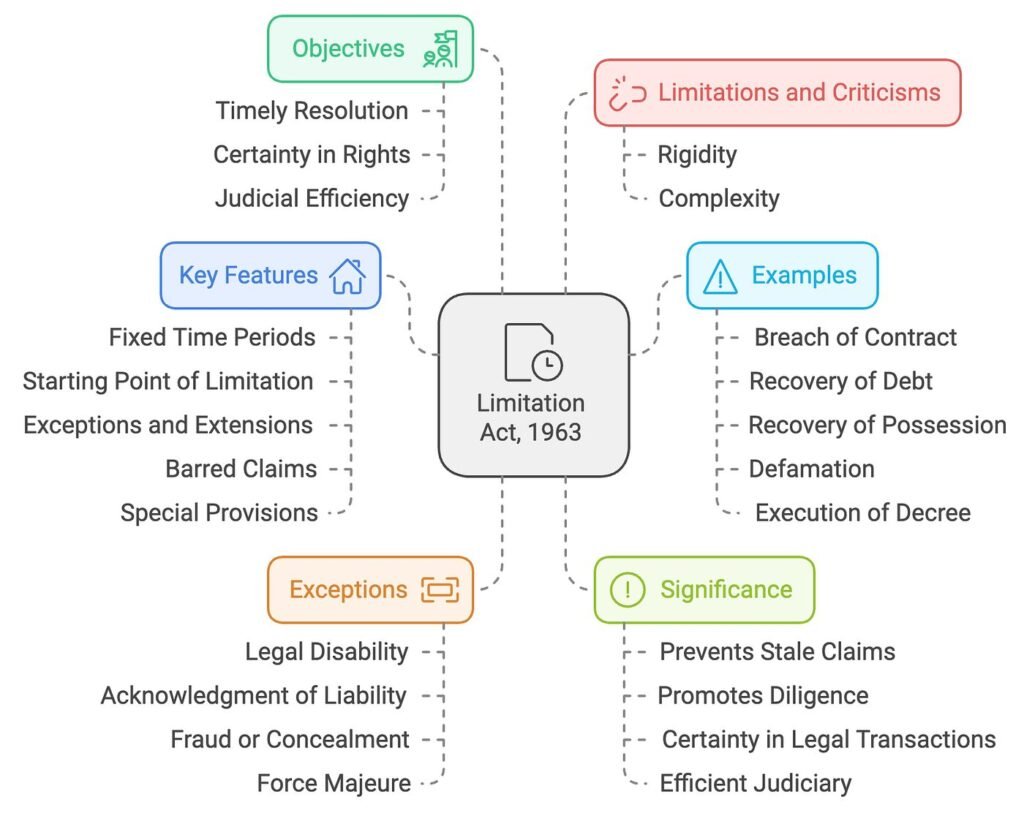
Given the nature of malpractice claims, statutes of limitations tend to be shorter than those for other personal injury claims. In most jurisdictions, malpractice claims must be filed between one and three years from the date that an injury actually occurs. Each jurisdiction emphasizes the discovery rule and the statute of repose, as they actually determine these time limitations.
The discovery rule allows patients in several jurisdictions to start the timeframe for malpractice claims only when they discover or should have discovered that professional errors caused their injuries. This rule is particularly relevant in surgical error cases where complications may not become apparent until weeks or months after the procedure.
Some states also impose statutes of repose, which establish an absolute deadline for filing, regardless of when the injury was discovered. The law allows tolling, or pausing the legal time limit, to occur when a minor or an incapacitated patient needs to proceed with legal action as a result of the medical error.
Steps That Strengthen a Claim
Preserving evidence requires immediate action after surgical mistakes become known. The request for complete medical records from the treating facility serves to document all medical services that were delivered to the patient. The second medical opinion determines both the degree of medical damage and the connection between the medical error and the resultant harm.
The claim is based on maintaining records that include all related expenses, communication with medical personnel, and personal notes about medical symptoms and functional restrictions.
Medical malpractice cases require expert testimony from a qualified medical professional who establishes the standard of care and demonstrates how the defendant failed to meet that standard.
The attorney who usually handles these types of cases will discover which expert needs to be hired. The lawyer will also carry out all necessary legal steps required by the states before a malpractice case starts. They can be tasked to collect the evidence needed for the case.