


A quick coffee run stops being just a coffee run once someone starts noticing who avoids eye contact while ordering, who apologizes too much during conversations, or who instantly changes their personality depending on who walks into the room. Human behavior suddenly becomes impossible to unsee. A five-minute interaction in a grocery store can accidentally turn into a full mental breakdown of stress responses, social habits, emotional masking, or communication patterns without the student even trying to analyze anybody intentionally. The subject quietly rewires attention. Every day life stops feeling random because people constantly reveal pieces of themselves through tiny reactions most others ignore completely.
That is why psychology students rarely leave their learning inside the classroom. The world basically becomes one giant unofficial lab full of conversations, reactions, awkward silences, group tension, online drama, and emotional behavior happening in real time.
Psychology Education Encouraging Real World Observation
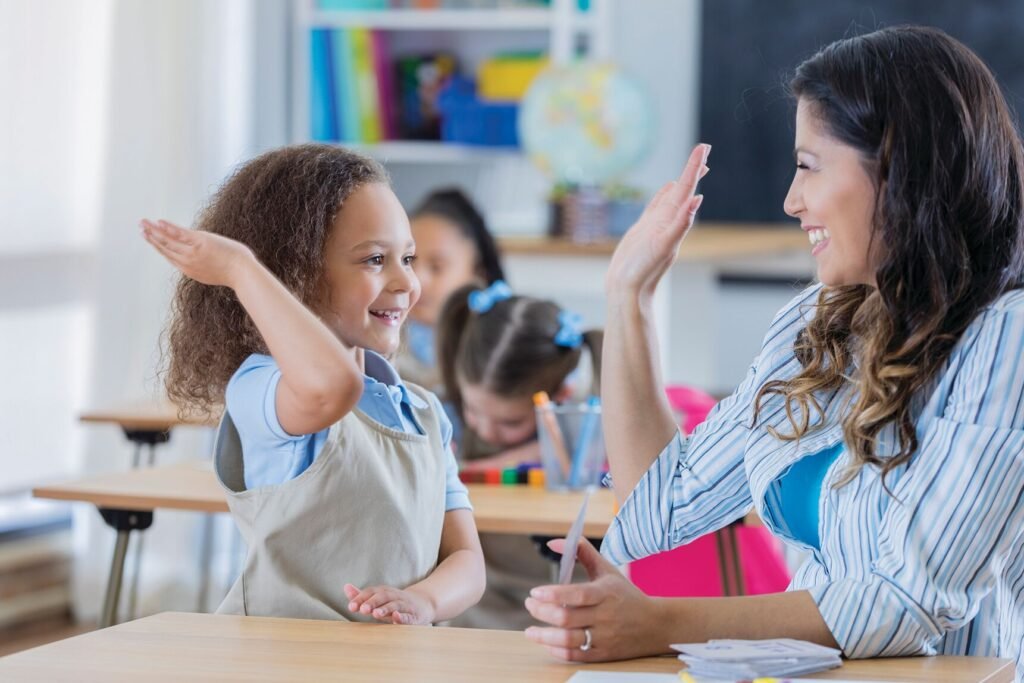
Psychology students usually start observing people differently without realizing when the shift actually happened. At first, theories stay inside assignments and lectures. Then, suddenly, someone notices how a friend becomes louder around certain people but quieter around others. Or how stressed people repeat the same phrases constantly during uncomfortable conversations. Or how somebody smiles while obviously irritated because they are trying to keep social situations smooth. Psychology education pushes students toward real-world observation because the subject itself revolves around human behavior, and humans are constantly broadcasting behavior everywhere all the time.
This makes psychology feel much more alive than subjects people only revisit during homework. Students studying through a psychology BA online tend to experience this overlap constantly because they are surrounded by real environments while learning the material simultaneously. Someone working retail during the day might suddenly connect customer reactions to emotional regulation theories from class later that night. A workplace disagreement starts looking less like random conflict and more like a visible example of stress responses, personality differences, or communication breakdown. The learning becomes flexible because psychology keeps attaching itself to ordinary life automatically.
Public Spaces
Psychology students can sit in a café for twenty minutes and accidentally leave with enough observations to mentally unpack for hours afterward. Public spaces are full of behaviors that people rarely pay attention to consciously. Someone is aggressively tapping their foot during the silence. Couples sitting together while scrolling separate phones without speaking. Groups instantly change energy once one person arrives late. Tiny moments like these become weirdly interesting once students spend enough time studying behavior because they reveal emotional information people often never say out loud directly. Public spaces quietly expose habits, discomfort, confidence, stress, boredom, attraction, insecurity, and social awareness all at once.
The interesting part is that public behavior often feels more honest than behavior inside structured environments. People loosen up in cafés, parks, train stations, or shopping areas because they are focused on living normally instead of being academically observed. Psychology students start noticing how people protect personal space, mirror each other during conversations, or shift emotionally depending on who enters the environment around them.
Social Media
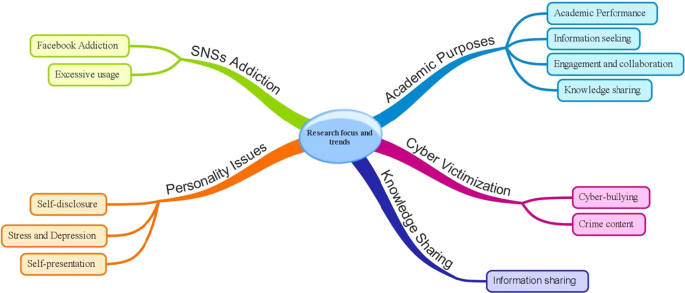
Social media basically handed psychology students unlimited behavioral material twenty-four hours a day. Platforms full of comments, reactions, selfies, arguments, oversharing, attention seeking, emotional validation, and online conflict created an entirely new space where human behavior plays out publicly at a massive scale. Psychology students often become fascinated by how differently people act online compared to face-to-face interaction. Someone who is shy in real life suddenly becomes loud and aggressive online. Somebody constantly posting “perfect” content may clearly be seeking reassurance underneath it. Entire emotional trends spread through platforms within hours once enough people react similarly at the same time.
The internet reveals behaviors people might hide more carefully in person because screens create distance between emotion and consequence. Students notice how quickly people chase approval through likes, how social pressure shapes online opinions, or how attention spans collapse through nonstop scrolling patterns. Even comment sections become interesting because they expose emotional reactions people would probably never express openly during real conversations.
Group Dynamics
Friend groups become extremely interesting once psychology students start noticing how differently people behave depending on who they are around. Someone confident one-on-one might suddenly go quiet in larger groups. Another person becomes the unofficial decision maker without anybody openly assigning them that role. Certain people constantly interrupt, while others automatically adapt to the mood around them just to keep conversations smooth. Group settings expose social behavior in a really raw way because personalities shift constantly depending on attention, approval, comfort levels, and emotional energy inside the group itself.
Psychology students often become fascinated by these dynamics because they happen so naturally that people barely notice them consciously. One awkward comment can change the mood of an entire table within seconds. A single confident person can completely control the direction of a conversation without trying very hard. Students start noticing who seeks validation, who avoids conflict, who mirrors behavior to fit in, and who quietly pulls social energy toward themselves during gatherings. Friendships stop looking random after a while because patterns start appearing everywhere.
Family Relationships
Family settings are probably one of the most layered behavioral environments that psychology students observe because people usually reveal their most natural habits around relatives. Families develop communication styles, emotional patterns, and social roles over the years without consciously planning them. One sibling becomes the peacemaker. Another becomes the funny one. Somebody avoids confrontation, while someone else escalates tension immediately during disagreements. Psychology students often start noticing how deeply personality development connects to these long-term household dynamics once they spend enough time studying behavioral theories academically.
What makes family behavior especially interesting is how automatic most of it feels. People slip into old reactions around family members incredibly fast, even if they behave completely differently everywhere else. Adults suddenly act like teenagers again around parents. Siblings repeat arguments using the same emotional patterns they have used for years. Students begin recognizing how much the environment shapes communication because family interactions often reveal emotional habits people carry into friendships, relationships, and workplaces later in life, too.
Workplace Observation
Every office, retail space, classroom, or team environment has its own social structure built around motivation, hierarchy, stress, confidence, and communication styles. Some employees constantly seek approval from management. Others avoid attention completely. Certain personalities naturally become informal leaders, while some quietly influence group decisions without holding official authority at all. Psychology students often become fascinated by workplaces because adult behavior changes dramatically once pressure, deadlines, competition, and teamwork enter the picture together.
Motivation especially becomes much easier to observe in professional settings because people reveal what drives them through their everyday behavior constantly. Some workers care deeply about recognition. Others prioritize stability, independence, or social connection with coworkers. Stress responses become visible, too. One person becomes hyperproductive under pressure while another emotionally shuts down.
Psychology students continue studying human behavior outside the classroom. Conversations, public spaces, social media, workplaces, and family dynamics all become filled with behavioral patterns once students learn how to recognize them.

