

The one habit that saves the most money at a pharmacy counter is a single question, ask what the drug costs if you do not use your insurance. A 2018 USC Schaeffer Center study found patients overpaid on roughly 23% of prescription fills, meaning their insurance copay was higher than what the same drug cost in cash, and most people never knew because nobody at the counter is obliged to volunteer it. The price spreads between pharmacies, the discount cards, the manufacturer copay card problem, hangs off that same broken pricing system, so it helps to see how the money actually moves before deciding where yours should go.
Why Your Copay Can Cost More Than The Drug
It sounds backwards, you pay premiums every month specifically so medicine costs less, and then the insurance route charges you more than walking in with cash. The reason is the middle layer. Pharmacy benefit managers sit between your insurer and the pharmacy, they set the copay tiers, and the copay they set for a generic has very little to do with what the pharmacy paid for it. So you can end up handing over a $15 copay for a generic that costs the pharmacy about two dollars, and the difference above the drug’s real cost gets split between the pharmacy and the PBM. The industry name for that is a clawback, and it is the reason a plain $4 cash generic at Walmart can sit behind a $15 insured price at the counter next door.
Pharmacies used to be contractually banned from telling you the cash price was lower, the gag clauses, and a federal law killed those in 2018. But killing the clause is not the same as making anyone volunteer the information. You still have to ask. It costs you one sentence.
One Thing To Check Before You Skip Insurance
When you pay cash, that spending usually does not count toward your deductible or out of pocket maximum, because the claim never touches your plan. On a cheap generic that trade is almost always worth it. If you are working toward a deductible you will genuinely hit this year because of other medical costs, run that math first, since a few dollars saved per fill can cost you more later in the year.
The Same Pill Is Not The Same Price Across Town
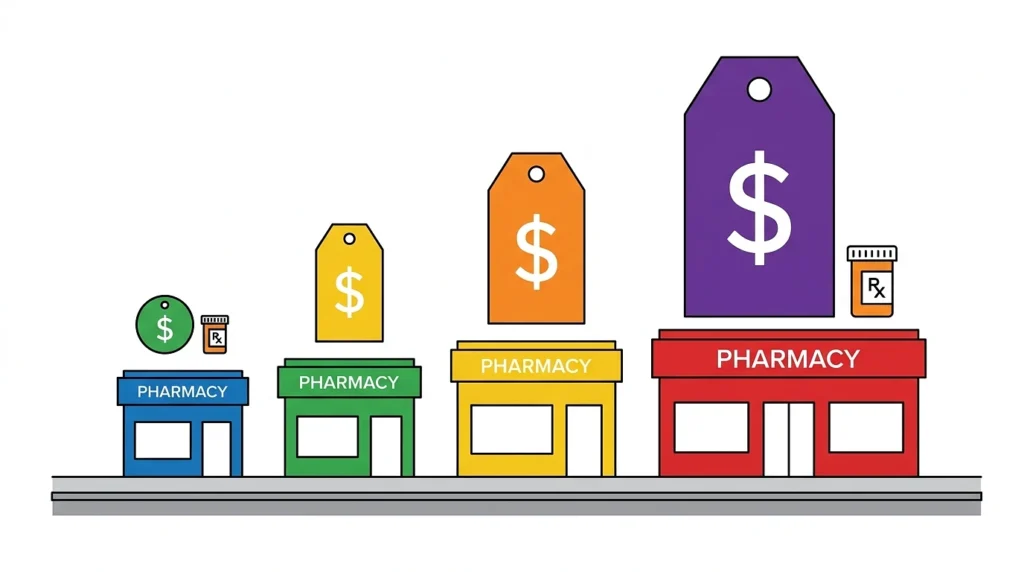
Now the part people underestimate the most. Consumer Reports priced a basket of five common generics across different pharmacies and the one month total ran from $66 at the cheapest to $928 at the most expensive, same drugs, same doses, same city shopping trip. That is not a rounding difference, that is a fourteen times spread, and it exists because pharmacies buy at different rates, chase different customers, and mostly assume you will never compare.
How To Compare Prices In Five Minutes
The comparison is short and the winner changes drug by drug, so a person on three medications might rationally fill them at three different pharmacies.
- Put the drug name and dose into GoodRx and SingleCare and note the price at every pharmacy near you.
- Check Mark Cuban’s Cost Plus Drugs site for the mail order price, their markup is flat and published.
- Price it at a Costco pharmacy if one is in reach, you do not need a membership to use the pharmacy in most US locations.
- Compare all of that against your health insurance copay and take the lowest number.
- For maintenance drugs, price a 90 day mail order fill too, it usually beats three separate monthly fills.
The Honest Caveat On Discount Cards
GoodRx and similar cards are free because the PBMs behind them earn fees on every fill, so the “discount” is really just a different negotiated price, sometimes brilliant, sometimes barely better than cash. Treat the card price as one more quote, never as automatically the best one.
The Copay Card Catch
Manufacturer copay cards are a different animal from discount cards and this is where people get genuinely hurt, so slow down for this part if you take any brand name drug on a commercial plan.
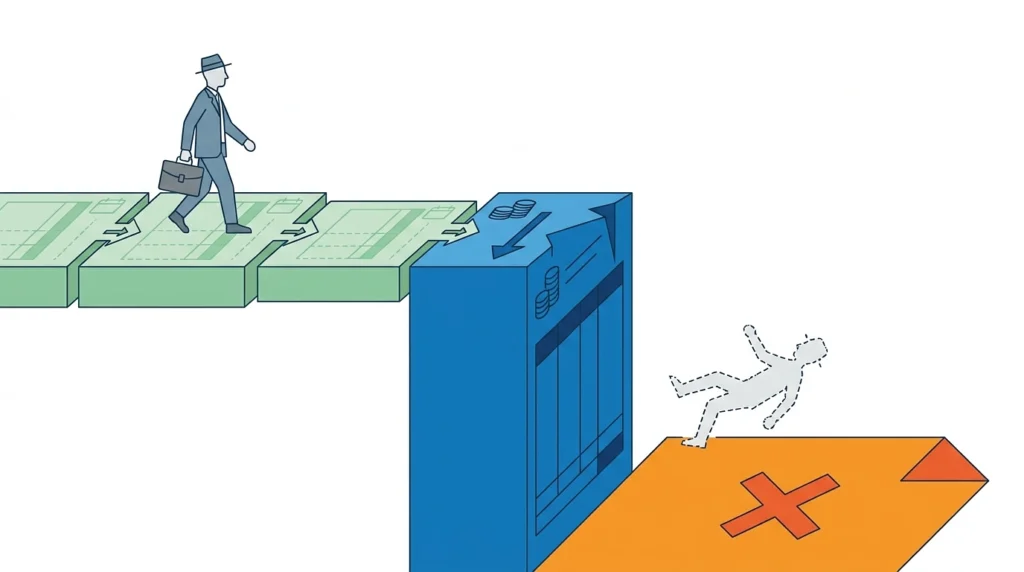
The card itself works as advertised. The drug maker loads it with money, it covers most or all of your copay each fill, you pay five dollars or nothing at the counter. The catch lives inside your insurance plan, in something called a copay accumulator. Traditionally every dollar the card paid counted toward your deductible, so the card would quietly walk you to your out of pocket maximum and then insurance took over for the year. Under an accumulator your plan still happily takes the manufacturer’s money every month, but it credits none of it toward your deductible. As far as your plan’s ledger is concerned you have paid nothing all year.
The Copay Cliff
Then the card hits its annual cap, often mid year, and the floor disappears. Picture a $5,000 deductible and a card that runs dry in month seven. You paid almost nothing for six months, your deductible still reads zero, and your next fill is suddenly your full sticker price until you grind out the entire deductible with your own money in the back half of the year. Patients call it the copay cliff, and it hits hardest exactly the people on expensive specialty drugs who needed the assistance most. There is a related design called a maximizer that spreads the card’s money evenly across twelve months instead, which at least removes the cliff, but the manufacturer dollars still never touch your deductible.
How To Find Out If Your Plan Does This

Around 25 states plus DC have banned accumulator programs, but the bans only cover fully insured state regulated plans, and the large self funded employer plans most working people are on sit outside state reach. So do not assume you are protected.
- Search your plan documents for the words accumulator, maximizer, or copay adjustment program.
- Or call the member line and ask directly whether manufacturer assistance counts toward your deductible.
- If the answer is no, plan your year’s cash flow around the card running out mid year.
- Look at independent copay foundations like the PAN Foundation and HealthWell, their grants generally do count as your own spending.
What This Looks Like In Practice
Take someone filling a generic statin, a generic blood pressure pill, and one brand name drug with a copay card. The two generics get the one question treatment and the five minute comparison, and realistically they land somewhere between four and fifteen dollars a month cash or carded instead of two insurance copays, small money per fill, real money over a year of six fills each. The brand name drug is the opposite exercise, there the insurance route with the manufacturer card is probably still the right play, but only after confirming whether an accumulator is sitting under it, because that answer changes whether the card is a gift or a delayed bill.
None of this should be the patient’s job. It is anyway, the system prices against the person who does not ask, and the whole edge comes down to asking the cash price, quoting three sources before filling anything recurring, and reading the plan language before trusting a copay card. Prices and plan rules shift constantly, so recheck your own numbers each plan year rather than taking any article’s figures, this one included, as the final word.

