


In the realm of bathroom design, choosing the right tile can significantly impact both the aesthetic and functionality of your space. While Moroccan Zellige Tile offer a handcrafted charm, porcelain tiles are known for their durability and versatility. Both options bring unique qualities to the table, but which one truly elevates your bathroom design? This article will delve into the specifics of each tile type, comparing their benefits and drawbacks, to help you make an informed decision for your next interior design project.
Comparison of Moroccan Zellige Tile and Porcelain Tile for Bathrooms
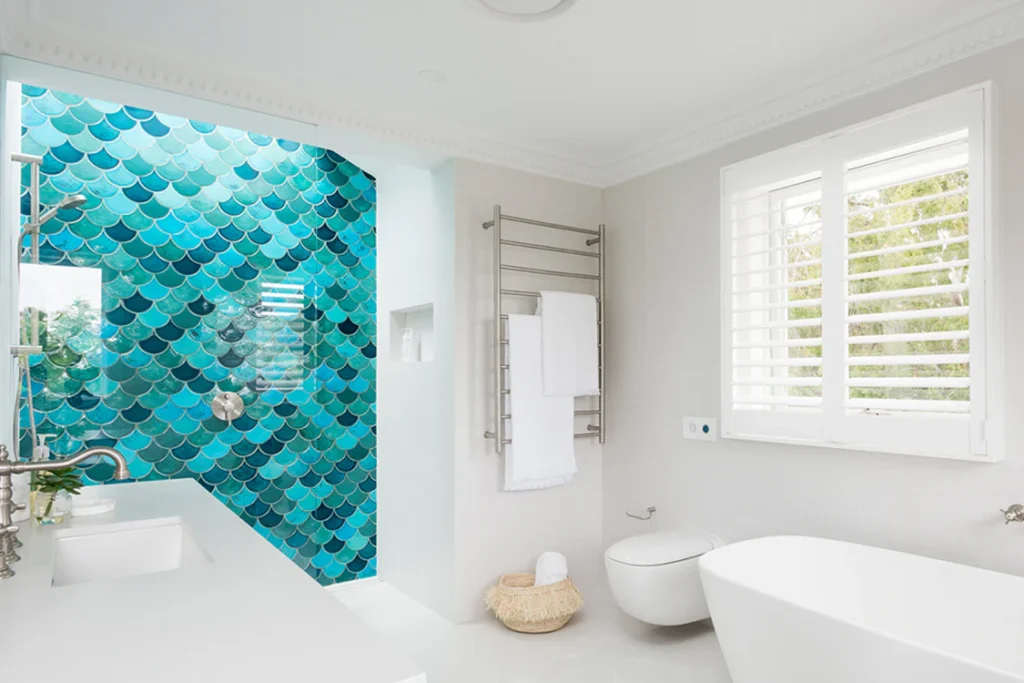
The choice between Moroccan Zellige Tile and porcelain tile often boils down to the desired aesthetic and functional requirements of the bathroom space. Moroccan Zellige Tiles are traditionally handcrafted, leading to each piece having a unique finish. This quality is ideal for those looking to create a Moroccan Zellige Tile design that exudes authenticity and character. However, due to their artisanal nature, these tiles may require more thoughtful planning during the Design Development Phase to ensure a harmonious layout.
Conversely, porcelain tiles are manufactured to be consistent in size and shape, making them a go-to choice for precision in installation. This consistency is advantageous during the Schematic Design phase where CADD tools are often used to draft detailed bathroom layouts. The uniformity of porcelain tiles allows for a streamlined installation process, which can be more straightforward when executing a large-scale project.
When considering environmental impact, it’s essential to note that porcelain tiles can contribute to points towards LEED Certification, thanks to their often-recycled content and energy-efficient production processes. Moroccan Zellige Tiles, being handmade, may not offer the same LEED advantages but are celebrated for their sustainable, low-impact production methods.
Pros and Cons of Using Moroccan Zellige Tiles in Bathroom Design
Moroccan Zellige Tiles bring a touch of artisan craftsmanship to any bathroom, offering a unique aesthetic that is difficult to replicate. The irregularity and variation in color and texture can be a focal point in the bathroom’s Color Palette Specification, bringing warmth and depth to the space. This is particularly beneficial in creating a personalized Mood Board for clients seeking a distinct and culturally rich ambiance.
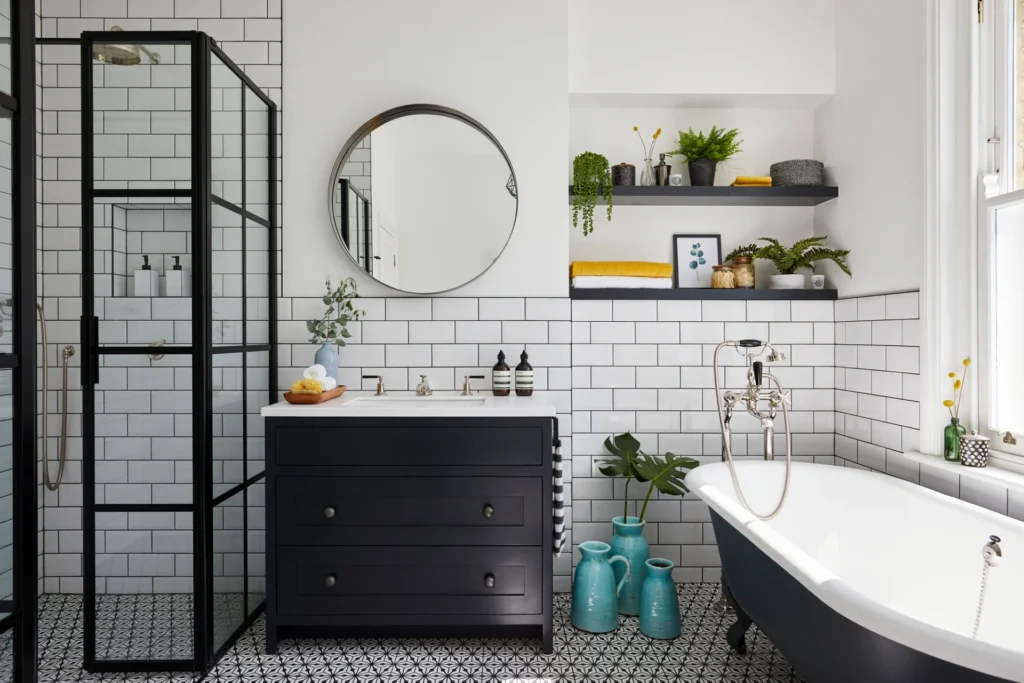
However, the handcrafted nature of these tiles means they can be more fragile than other options. Proper planning for the Finish Schedule is necessary to ensure they are installed in areas where they won’t be subjected to excessive moisture or heavy use. The installation process of Moroccan Zellige Tiles can also be more labor-intensive, requiring skilled labor to ensure that the natural variations are showcased effectively.
In terms of maintenance, Moroccan Zellige Tiles may demand more attention, as their surfaces can be prone to staining if not properly sealed. Regular care and maintenance are vital to preserve their beauty and functionality over time.
Advantages and Disadvantages of Porcelain Tiles for Bathroom Spaces
Porcelain tiles are renowned for their durability and water resistance, making them ideal for high-moisture areas like bathrooms. Their dense composition means they are less likely to absorb water, reducing the risk of mold and mildew growth, which can be a significant factor in Space Planning for a hygienic bathroom environment.
On the downside, porcelain tiles can be quite cold and hard underfoot, which might require the addition of acoustical treatment or underfloor heating solutions to enhance comfort. Nonetheless, their durability ensures that they are less likely to chip or crack, making them a long-lasting option for high-traffic areas.
https://thotslifed.com/what-is-a-bathroom-basin-types-uses-and-styles/Furthermore, porcelain tiles offer a wide array of design choices, from mimicking natural stone to sleek, modern finishes. This versatility allows for extensive customization during the Design Development Phase, enabling designers to create cohesive and stylish bathroom designs that cater to diverse tastes.
Which Tile Best Enhances Your Bathroom Aesthetic?
Choosing between Moroccan Zellige and porcelain tiles ultimately depends on the aesthetic goals and practical needs of your bathroom project. If you’re aiming to introduce an artisanal, handcrafted feel into your design, Moroccan Zellige Tiles can provide the distinctiveness and charm that porcelain tiles might lack. They work exceptionally well in projects where the emphasis is on unique, bespoke finishes and cultural richness.
On the other hand, porcelain tiles are ideal for those seeking durability and versatility. Their ability to mimic various materials and their resilience make them a popular choice for contemporary and minimalist designs. For projects focused on sustainability, porcelain tiles might also offer a slight edge due to their compatibility with LEED standards.
Conclusion
Deciding between Moroccan Zellige and porcelain tiles involves weighing the aesthetic appeal against practical considerations like durability and maintenance. Moroccan Zellige Tiles offer unique charm and character, while porcelain provides reliability and a wide range of styles. Whether your priority is artistic flair or long-lasting functionality, understanding these attributes will ensure your bathroom design aligns perfectly with your vision and needs.

