


Loss reshapes a person from the inside out, and the journey that follows rarely moves in a straight line. Grief can surface in waves, sit quietly for weeks, then return without warning during an ordinary moment. The people walking through it often feel pressure to recover quickly, return to routine, and appear composed long before they are ready. Helping someone move through this experience in a way that supports long-term well-being requires patience, presence, and an understanding that healing is gradual rather than scheduled. The approaches that work best are the ones that honor the person, the loss, and the slow pace of meaningful recovery.
Finding Steady Professional Hands
Grief that lingers or begins to interfere with daily functioning often benefits from guidance offered by a trained counselor. A qualified professional can help a grieving person identify emotions they struggle to name, explore patterns that complicate their healing, and build coping strategies suited to their circumstances. Counselors who specialize in grief and bereavement work are equipped through extensive coursework, supervised clinical practice, and ethical training that prepares them to support clients through some of the most painful seasons of life. The quality of that preparation depends heavily on how a counselor was trained, which is why accreditation matters when evaluating educational pathways in the field.
The Council for Accreditation of Counseling and Related Educational Programs, known as CACREP, sets the academic and clinical benchmarks that counseling programs must meet to be considered rigorous and credible. Programs that hold this accreditation undergo a thorough peer review process and align their curriculum with the standards expected of practicing professionals. For those exploring this path, CACREP accredited online counseling programs offer a flexible route into the profession while maintaining the same rigorous expectations as traditional formats. Working with such a counselor can give grieving individuals confidence that they are in capable, ethically prepared hands.
Creating Space for Emotions Without Judgment
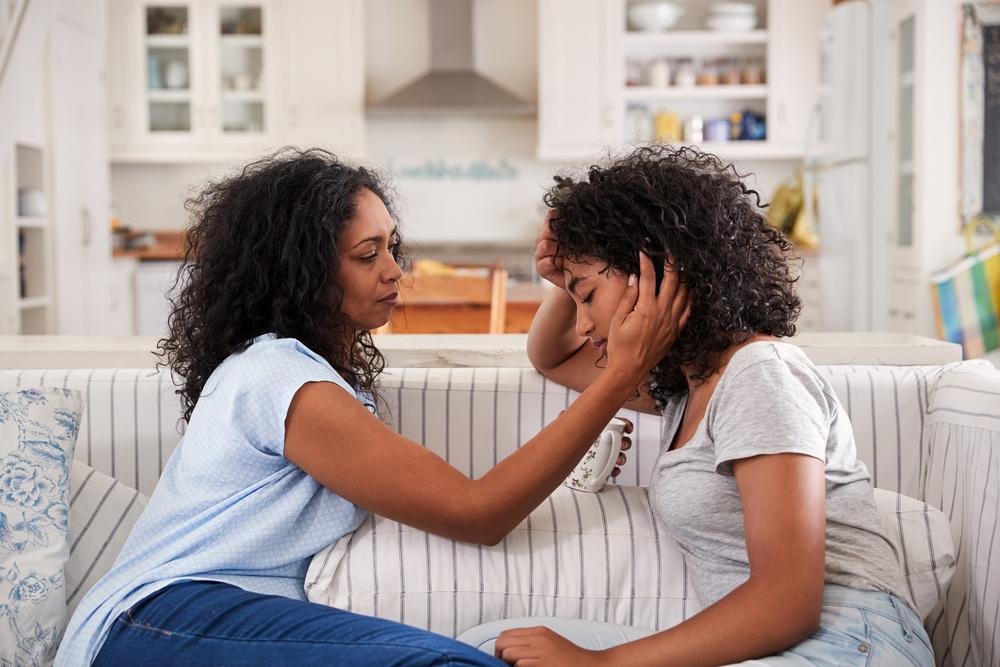
One of the most healing things a grieving person can experience is being allowed to feel what they feel without correction or rushed reassurance. Friends and family often try to soften the pain by suggesting silver linings, but these well-meaning words can leave the person feeling unseen. Genuine support looks like sitting quietly beside them, listening without interrupting, and acknowledging that sorrow is a natural response to losing someone or something important. When a grieving person feels safe expressing sadness, anger, guilt, or confusion, those emotions begin to move rather than harden into something heavier. Emotional honesty, repeated over time, becomes one of the strongest foundations for sustainable recovery.
Encouraging Gentle Daily Rhythms
Loss often disrupts the basic structure of a person’s day. Sleep becomes uneven, meals are skipped, and once familiar routines feel meaningless. Reintroducing small, predictable rhythms can help restore a sense of stability without demanding too much too soon. A morning walk, a quiet cup of tea at the same time each day, or a short evening ritual can give a grieving person something steady to hold onto. These habits are not about distraction or forcing normalcy. They are gentle anchors that remind the body and mind that life still has a shape, even when the heart is heavy.
Honoring the Loss Through Meaningful Rituals

Rituals give grief a place to live. Lighting a candle on a meaningful date, writing letters to the person who has passed, planting something in their memory, or revisiting a favorite shared place can offer a sense of continued connection. These acts allow the grieving person to express love that has nowhere else to go. Over time, rituals often shift in meaning, becoming sources of warmth rather than only sadness. Encouraging someone to create their own rituals, on their own timeline, gives them ownership of the healing process and affirms that their bond with what was lost remains valuable.
Strengthening Connection with a Trusted Circle
Isolation tends to intensify grief, while connection helps soften its edges. A grieving person benefits enormously from knowing they have a small group of people who will check in, sit with them, and show up consistently. This circle does not need to be large. Even one or two reliable people can make an enormous difference. Encouraging the grieving individual to accept help, share meals, or simply spend time in the company of others can prevent the kind of withdrawal that often leads to longer-term emotional strain. Connection is not a cure, but it is one of the steadiest companions through loss.
Caring for the Body as Part of Caring for the Heart

Grief is not only an emotional experience but also a physical one. Fatigue, tension, appetite changes, and disrupted sleep are common, and ignoring them can deepen emotional suffering. Gentle physical care, such as light movement, hydration, time outdoors, and rest, supports the nervous system as it processes loss. Encouraging a grieving person to attend to their body with kindness rather than discipline allows healing to unfold at a natural pace. The goal is comfort and stability, not performance or productivity.
Allowing Joy to Return Without Guilt
One of the quieter struggles in grief is the moment when laughter or pleasure returns and the person feels guilty for experiencing it. Reassuring them that joy and sorrow can coexist is a meaningful gift. Healing does not mean forgetting. It means learning to carry the loss while still being open to the moments that life continues to offer. When grieving individuals are gently reminded that finding light again is not a betrayal, they begin to step forward with less hesitation and more peace.
Supporting someone through grief is one of the most human things a person can do. The work is slow, tender, and deeply personal, and the methods that help most are the ones rooted in patience, compassion, and steady presence. With the right blend of professional guidance, emotional safety, gentle routines, and trusted relationships, individuals can move through loss in ways that protect their well-being for the long road ahead.

