


Choosing the right fabrication method for plastic sheets can feel like a challenge when you’re aiming for a flawless finish. Both laser cutting and routing offer incredible precision, but they operate in very different ways. Whether you’re a builder working on a retail fit-out or a DIY enthusiast crafting a home feature, understanding these mechanical differences is the first step toward a successful project.
The decision often comes down to the specific material you’ve chosen and the type of edge you want to achieve. While one method uses a high-powered beam of light, the other relies on a physical spinning tool to carve through the surface. Both have earned their place in modern manufacturing for their reliability and speed.
By exploring the unique strengths of each process, you’ll be able to determine which service fits your specific requirements perfectly. Stick around until the end to find out how these two popular techniques compare and which one will bring your design to life most effectively.
The Precision of Professional CNC Laser Cutting
Laser technology has changed how we approach intricate designs in plastic fabrication. A professional CNC laser cutting service uses a concentrated CO2 laser beam to melt and vaporise material along a programmed path. Because the beam is so fine, it can handle extremely complex shapes and tight internal corners that physical blades might struggle to reach.

One of the standout benefits of using a laser is the quality of the finish it leaves behind. When cutting materials like Perspex or other acrylics, the heat from the laser actually polishes the edge as it moves. This results in a flame-polished look that’s clear and smooth, usually removing the need for secondary finishing stages. It’s an ideal choice for display cases, signage, and decorative lettering where aesthetics are a priority.
The Power of CNC Routing
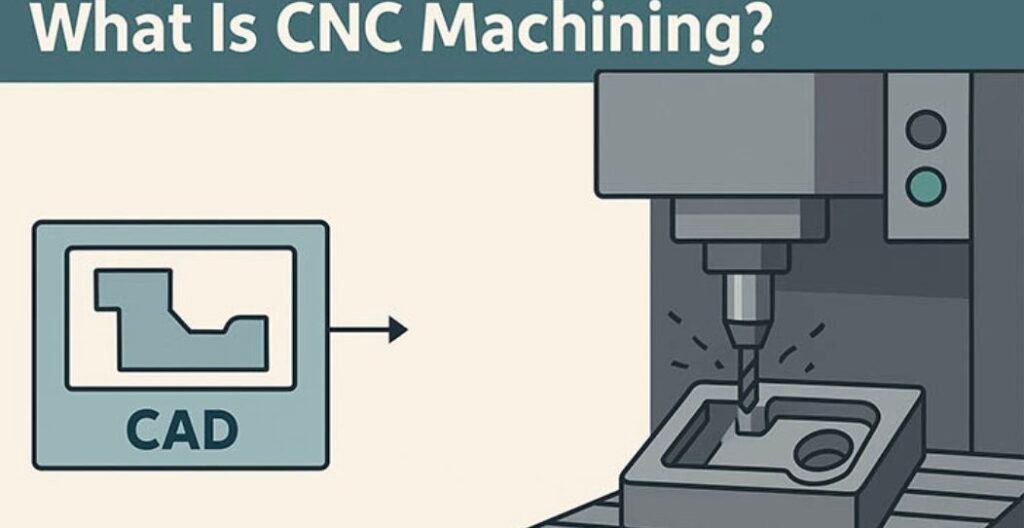
CNC routing takes a more traditional mechanical approach, using a computer-controlled spinning bit to cut through the material. Unlike the laser, the router makes physical contact with the plastic. This makes it a powerhouse for heavy-duty tasks and thicker sheets that a laser might struggle to penetrate cleanly.
Routing is incredibly versatile because the bits or tools can be changed to create different effects. You can use it to create bevelled edges, rebates, or 3D shapes. It’s often the preferred method for engineering components, construction materials, and large-scale architectural panels. If you’re working with Foamex or Dibond, routing is frequently the most efficient way to get a clean, structural cut.
Because routing is a cold process, there’s no risk of heat-induced discolouration or melting on the edges. This makes it the go-to option for materials that are sensitive to thermal changes. While it doesn’t provide the naturally polished edge of a laser, the finish is consistently crisp and accurate.
Differences for Your Project
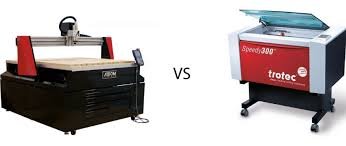
When you’re deciding between these two methods, there are several factors to weigh up. Your choice will likely depend on the thickness of your material and the complexity of your design. Here’s a quick guide to help you distinguish between them:
- Edge Quality: Lasers provide a glossy, polished edge on acrylic, whereas routers produce a matte, clean-cut finish.
- Material Thickness: Routers can typically handle much thicker sheets than lasers, making them better for heavy industrial applications.
- Internal Detail: Lasers can cut sharper internal corners, while a router’s internal corners are limited by the diameter of the cutting bit.
- 3D Capability: Routers can cut at varying depths to create grooves and textures, but lasers generally cut all the way through the material.
If you don’t need a transparent, polished edge and your material is particularly thick, routing is likely your best bet. If you’re looking for high-end visual appeal and intricate detail, the laser will be the winner.
How to Choose the Right Method
Ultimately, the best choice depends on what you’re trying to build. Sign makers often gravitate toward the laser for its beautiful finish, while architects might prefer the router for its ability to work with a wider variety of composite materials.
Both methods ensure that waste is minimised and accuracy is maintained across every single piece produced.
Think about the environment where your finished product will live. If it’s a retail display where customers will see the edges up close, the laser’s finish is hard to beat. If it’s a structural component for a building project, the robust nature of a routed cut is often more appropriate.

