


The wrong place to start an exterior project in Palm Harbor is the part you can see. Paint, new plants, a fresh coat on the driveway, all of it photographs well and all of it sits on top of whatever is actually going on underneath, which around here is usually water going somewhere it shouldn’t. Pinellas County runs humid most of the year and the rainy season from June through September dumps the bulk of the area’s fifty-plus inches of annual rain in afternoon bursts that test every seam, slope, and flashing detail on the house. A weak spot doesn’t get to stay a weak spot for long in that climate.
So the order you do things in matters more than the things themselves. Get the sequence right and the cosmetic work you do later actually lasts. Get it wrong and you’re repainting siding in two years because the real problem was never the paint, it was the gutter dumping water behind it the whole time.
Why the Roof Sets the Schedule for Everything Else
Houses don’t fail from the ground up, they fail from the top down, and the reason is just gravity plus water. Whatever gets past the roofline ends up in the walls, then behind the siding, then pooling at the foundation, so the roof isn’t really one item on the exterior list, it’s the thing that decides how much trouble every item below it is going to be dealing with. If the roof and its drainage are sound, the rest of the house is working with a head start. If they’re not, you can do everything else perfectly and still lose it to a problem that started fifteen feet up.
Florida makes this sharper than most states. The state’s building code carries some of the strictest wind-load requirements in the country after Andrew rewrote the rules in the nineties, and in this part of the Gulf coast roofs are rated to handle sustained winds well into the triple digits. That rating only holds if the roof is actually maintained, because a few lifted shingles or a tired strip of flashing turns a code-compliant roof into a liability the first time a named storm sits offshore. Tampa Bay sees roughly two-thirds of its tropical threats land between August and October, which is also, conveniently, the worst possible time to discover you needed roof work in May.
The cheapest roof problem you will ever have is the one you find in spring instead of the one that finds you in September.
This is where treating the roof as part of the whole exterior system, rather than a separate job, actually changes the plan. Bringing in roof maintenance services in Palm Harbor, FL early lets someone assess exposure, drainage paths, and shingle and flashing condition before a dollar goes toward anything cosmetic. An inspection in the Tampa Bay area generally runs somewhere in the low hundreds and a targeted repair, a section of flashing, a run of cracked shingles, sits well under a four-figure number, while the wall and ceiling damage from ignoring it for a season does not. Homeowners who sequence it this way are buying information, not just a fix.
A Walk-Around Tells You Less Than You Think
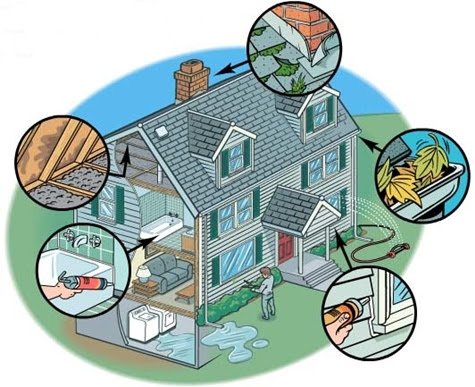
It feels like you can tell what needs fixing by walking the perimeter with a coffee, and you can catch the obvious stuff that way, the peeling paint, the stain on the soffit, the fence panel that’s gone sideways. The trouble is that the obvious problem and the actual problem are frequently in two different places. That stain on the siding is the symptom. The cause is a downspout fifteen feet away discharging right against the slab, and you won’t connect the two from the driveway.
A proper inspection reorders your whole priority list, usually for the better and cheaper. You go in thinking the siding is the job and come out understanding that the siding is fine, it’s the grading and the drainage feeding it that need the attention, and fixing those makes the siding question disappear on its own. Reacting to what looks urgent is how budgets get spent in the wrong order. Seeing the full picture first is how they don’t.
Pressure Washing Is Diagnosis, Not Just Cleanup
People treat a wash as the first cosmetic step. It’s actually the last diagnostic one. A dirty exterior hides exactly the things you need to see before you commit money, because algae, that black streaking Florida roofs get, mildew, and years of organic film sit right on top of hairline cracks, soft spots, and water staining and keep them invisible.
Clean it and the house tells on itself. Once the surfaces are bare you start seeing the hairline cracks in the stucco, the faded zones on the siding where the sun has actually broken down the finish, and the low spots on concrete where water has clearly been standing long enough to leave a mark. Plenty of homeowners go in planning a simple refresh and the washing alone reveals two or three sections that need repair before any coating should go anywhere near them. Worth knowing which surfaces take pressure and which don’t, soft Florida stucco and older soffit panels can be damaged by the same wand that’s fine on a driveway, so this is a step where pressure settings actually matter.
Checking Landscaping Around the Structure
Landscaping reads as decoration but it functions as drainage infrastructure, and in a wet climate that’s not a small thing. Beds packed right against the wall trap moisture against the foundation. Shrubs grown over the soffit vents choke the airflow the attic depends on. Soil or mulch mounded above the slab line gives water a direct invitation toward the house instead of away from it, and that one is everywhere in older Palm Harbor yards because mulch gets topped up year after year until the grade quietly runs the wrong way.
Stepping back and looking at how the yard actually moves water changes the priorities fast. A small regrade, pulling the bedline back off the wall, or dropping the soil a few inches below the slab edge can stop water from collecting where it does the most damage. A slight adjustment in grading or moving plants away from the structure can prevent water from collecting in the wrong spots.
The catch is that the right move depends entirely on where you live, because grading is a regional problem with regional answers. Palm Harbor’s job is shedding heavy seasonal rain off a high water table, which is close to the opposite of what a dry, high-elevation property has to solve. In the Mountain West the priority shifts toward freeze-thaw, snowmelt routing, and getting water away from the foundation before it can refreeze, and the plant choices and slope math change with it. For region-specific yard planning, landscaping services Idaho can help balance grading, plant placement, and drainage priorities. The underlying principle travels even when the specifics don’t: figure out what water does on your particular lot, in your particular climate, then plant and grade around that answer rather than around a photo.
Sealing Foundation Cracks Before the Rainy Season Does Its Work
Cracks at the foundation edge get ignored because they look like nothing, a thin line in the slab, the kind of thing that’s been there a while and hasn’t done anything yet. The reason it hasn’t done anything yet is usually that it’s been dry. The first sustained rainy season turns that thin line into a path, water works in, and in Florida soil it doesn’t drain away politely, it sits, and the damage moves sideways under the surface where you can’t watch it happen.
Sealing a hairline crack while it’s still hairline is one of the genuinely cheap wins in exterior work, a tube of the right polyurethane or epoxy sealant and an afternoon against the cost of foundation remediation, which in this region climbs into the thousands quickly once water has been moving through for a couple of seasons. The homeowners who handle this early are the ones who never find out what the expensive version would have cost.
Driveways, Walkways, and the Slow Failures You Stop Noticing
Driveways and walkways degrade slowly enough that you adapt to them without registering it, you step over the same lifted slab for a year, you stop seeing the crack that’s been widening. Then it rains and the low spot holds an inch of standing water, or someone catches a toe on the uneven joint, and suddenly it’s a problem with a deadline.
A driveway with minor cracking might only need a simple seal if it’s handled before water gets into the base under it.
Leave that same crack through a rainy season and water gets beneath the slab, undermines the base, and what was a sealing job becomes a section replacement. Walkways fail the same way and matter for the same reason, level and stable means the exterior keeps working without turning into a running list of small repairs that each waited too long.
Fences Take the Wind Before the House Does
Fences get treated as the lowest priority on the property, which is fair right up until a storm, because a fence is the first thing the wind tests and a leaning section, a loose panel, or a post that’s gone soft at the base is a section that becomes a projectile in the kind of gusts this coast gets every season. In coastal Florida the post bases are also fighting salt-laden air and high soil moisture, so the failure point is usually down at the ground where you can’t see it until the whole run starts to lean.
Checking alignment and giving the posts a firm push tells you most of what you need to know. A fence that’s just starting to shift can usually be reset or re-anchored before it fails outright, and catching it there is the difference between resetting a couple of posts and replacing a whole run after it comes down in a blow.
Soffit and Roof Ventilation, the Part Nobody Plans For
Ventilation almost never makes it onto an exterior to-do list, and in the Florida climate that’s a real oversight, because the soffit and roof vents are what let the attic breathe and a Tampa Bay attic that can’t breathe becomes an oven that bakes the roof deck from underneath and a moisture trap that grows mold in the off-season. The shingles you paid to maintain age faster from the attic side than from the sun when the airflow is blocked.
It doesn’t take much to check, mostly it’s making sure the soffit vents aren’t painted shut, packed with a wasp nest, or buried behind that overgrown landscaping from a few sections back, and that the airflow path from soffit to ridge is actually open. Clearing those keeps attic temperatures and humidity in a sane range, which protects both the roof above and the cooling bill below.
Where the Money Should Go First
Budget is where good intentions usually go sideways, because visible upgrades feel rewarding and structural ones don’t, so the money drifts toward paint and plants while the drainage problem that’s going to eat the paint sits there unfunded. The fix is boring and it works: fund the things that protect the house before the things that decorate it.
A workable order for most Palm Harbor exteriors looks something like this:
- Roof and its drainage first, because everything below it inherits its problems
- Grading and foundation sealing next, so water is leaving the structure instead of pooling at it
- Driveways, walkways, and fences after that, the wear-and-safety layer
- Ventilation checked alongside the roof work, since the two are the same system
- Paint, coatings, and planting last, once they’re going onto a house that will actually hold them
Spend in that order and the cosmetic budget at the end goes onto a stable base, which is the only condition under which cosmetic work is worth the money. Spend in the reverse order, the order that feels good, and you tend to pay for the visible stuff twice.
Railings and Steps Are Worth Doing Before the Pretty Stuff
Safety features lose every planning argument to more exciting upgrades, right up until someone trusts a loose railing on a wet step. Railings, steps, and the path lighting that keeps people from missing a stair after dark do more for how the house is actually used than most of the upgrades that get funded ahead of them, and in a climate where outdoor surfaces are wet for a good part of the year, a solid handhold isn’t decoration.
A loose railing or a wobbling step is a quick correction when you catch it early and a real hazard when you don’t, so it belongs near the front of the list, not the finishing-touches end of it. Sequence the exterior this way, structure and drainage and safety first, surface last, and the whole project stops feeling like a scattered pile of jobs and starts behaving like one plan where each step earns the next. For a house on this coast, that order isn’t a preference, it’s what the climate quietly insists on. Home improvement done in the right sequence is the version that’s still holding up after the next rainy season, not the one being redone before it.

