


Incorporating smart home technology is rapidly becoming the hallmark of comfortable, secure, and future-ready living. Today’s homeowners look for features that not only deliver convenience but also enhance the value and sustainability of their properties. Local professionals like the Elizabeth, NJ, real estate experts Christian Cobo Group note that demand for these upgrades is on the rise as buyers prioritize homes equipped for a modern lifestyle.
Smart home automation isn’t just about impressing guests with voice controls it’s about seamlessly blending technology with daily life to improve everything from energy efficiency to peace of mind. Devices that communicate, learn routines, and adapt to residents’ preferences are transforming homes into intelligent, adaptive spaces. Whether it’s optimizing the indoor climate, enhancing security, or monitoring wellness, innovative features are redefining what it means to live well in the digital age.
Beyond gadgetry, the integration of intelligent systems supports greater environmental responsibility. By leveraging connected solutions for lighting, climate, and appliance control, homeowners can reduce their carbon footprint while enjoying greater comfort. As new advancements emerge, these technologies are becoming accessible even to those not versed in tech, ensuring that homeowners of all backgrounds can enjoy their benefits.
From bustling urban condos to spacious suburban homes, the shift towards smart living is universal. Understanding the core components of a smart home—and how they work together—allows homeowners to unlock actual value and usability from these innovations.
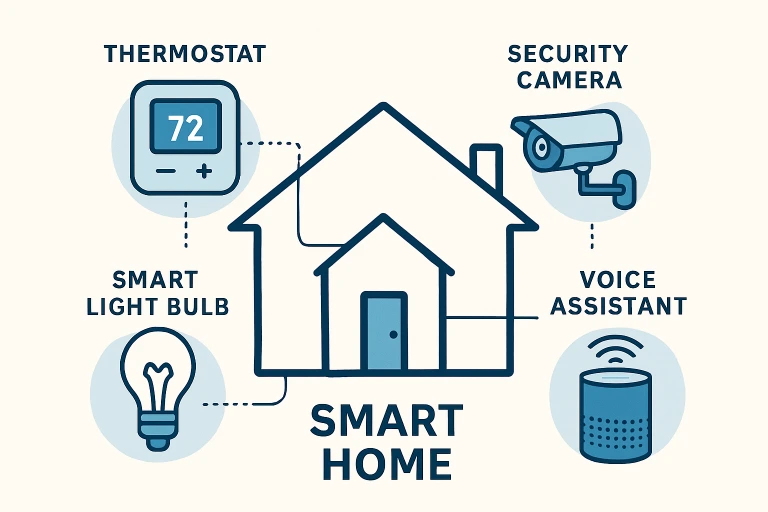
Smart Thermostats
Smart thermostats are essential for energy-efficient homes, as they optimize heating and cooling cycles to conserve energy while maintaining comfort. These devices allow users to control temperature settings remotely through user-friendly mobile apps or voice-activated assistants. By regulating energy use more effectively, smart thermostats help households lower both power consumption and monthly utility costs, making them a standout feature in modern homes.
Intelligent Lighting Systems
- Gone are the days when lighting was limited to static switches.
- Today’s innovative lighting systems empower users to create the perfect ambiance, automate schedules, and minimize wasted energy.
- Solutions such as Philips Hue and LIFX offer dimming, color-changing, and remote operation features.
- These smart bulbs often integrate seamlessly with existing platforms, letting residents manage settings via smartphones.
- Voice commands enhancing both convenience and overall home efficiency.
Advanced Security Systems
Modern security blends relentless vigilance with convenience. Advanced biometric locks, high-definition cameras, and facial or fingerprint scanners are setting new standards for residential protection. These tools are often combined with real-time mobile alerts, letting homeowners monitor their space from anywhere. With features like two-way communication and integration with local authorities, security systems are now central pillars of smart living and neighborly peace of mind.
Voice-Activated Assistants
Amazon Alexa, Google Assistant, and other voice-activated systems now serve as virtual house managers for many families. By linking with other smart devices, these assistants enable hands-free control for everything from adjusting thermostats to playing music or checking the news. Integration is expected to deepen, making voice assistants essential for accessible, efficient household management.
Smart Appliances
From refrigerators that track groceries to ovens that can preheat on the way home, smart appliances are revolutionizing how modern households manage daily chores. Smart washers, dryers, and dishwashers increasingly offer energy-saving modes and can be scheduled to run during off-peak hours, providing both environmental and economic benefits. By allowing remote monitoring and control, these connected appliances make multitasking simpler and home management far less hands-on.
Home Automation Hubs
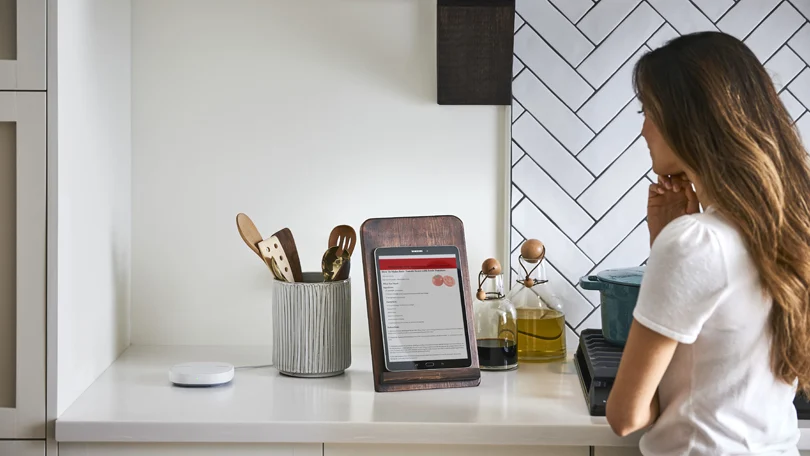
Centralized home automation platforms connect a diverse range of smart devices, enabling seamless control from a single app or device.
These hubs support a variety of communication protocols, making interoperability easy for homeowners. Advanced automation, such as routines that adjust lighting, locks, and climate at specific times, helps households function smoothly and efficiently.
Energy Management Solutions
Modern smart homes present innovative ways to monitor, analyze, and reduce energy usage. Incorporating sensors for temperature, humidity, and air quality, these systems leverage real-time data and artificial intelligence to optimize settings. Smart HVAC and ventilation systems can self-adjust based on occupancy, forecasts, or air quality, further boosting comfort and minimizing waste. The U.S. Department of Energy outlines multiple ways these systems revolutionize household energy management, enabling both cost savings and environmental stewardship.
Health and Wellness Integration
More than ever, home environments play a crucial role in health. Air purification systems that monitor and improve air quality, adjustable smart beds, and water quality sensors are becoming mainstays of wellness-focused living. These features not only contribute to better overall health but also provide peace of mind for families seeking a safer, cleaner living space.
Embracing smart home features is about enhancing daily living, improving efficiency, and creating a safer, healthier environment. As these technologies advance, they’ll become increasingly integral to modern lifestyles and more valuable to homeowners and buyers in every market.

