


Health is often viewed as a journey. A path that everyone walks, with varying paces, challenges, and victories. It’s something that influences every part of life, yet too many people overlook how interconnected our mental, emotional, and physical well-being are. The “Book of Life” is a metaphor for understanding health and wellness in a holistic manner, integrating different aspects of our lives to achieve a balanced and vibrant existence.
We will cover practical steps, tips, examples, and expert insights to help you enhance your health and wellness journey. These guidelines will provide you with the tools to make informed decisions, optimize your lifestyle, and ensure that the journey you’re on promotes sustainable well-being.
Understanding Health and Wellness
Health is not just the absence of illness. It is a state of complete well-being, including physical, mental, and social aspects. Wellness, on the other hand, involves actively making choices that promote a balanced life, ensuring that one’s emotional, mental, and physical needs are met. Achieving health and wellness is not a singular event; it’s a continual process that requires consistent effort, learning, and adjusting to various life circumstances.
Aspects of Health and Wellness:
- Physical Health: This includes proper nutrition, exercise, adequate sleep, and managing chronic conditions.
- Mental Health: Mental wellness involves emotional balance, stress management, and cognitive functioning.
- Social Wellness: Building healthy relationships, community support, and social interaction play a big part in overall well-being.
- Spiritual Health: This does not necessarily mean religious beliefs but finding purpose, peace, and alignment with your values.
Each of these aspects plays a role in the broader concept of health and wellness, and the balance of them shapes how we experience life.
The Importance of Nutrition
Proper nutrition is foundational for maintaining health and wellness. What we consume directly impacts our energy levels, our immune system, our mood, and our ability to focus. While trends come and go, the basic principles of good nutrition remain constant.
Simple Tips for Better Nutrition:
- Eat Whole Foods: Focus on natural, unprocessed foods. Fresh fruits, vegetables, whole grains, and lean proteins should form the basis of your diet.
- Stay Hydrated: Drinking enough water is often overlooked but crucial for maintaining healthy bodily functions.
- Balanced Meals: Aim for meals that include a balance of protein, fats, and carbohydrates. Avoid overly restrictive diets unless medically advised.
- Minimize Sugar and Processed Foods: Excessive sugar and heavily processed foods can lead to inflammation, weight gain, and various chronic diseases.
A good rule of thumb is to fill half of your plate with vegetables and fruits, a quarter with protein, and a quarter with whole grains or other complex carbohydrates.
Exercise and Movement

Exercise is one of the most effective ways to maintain physical health and boost mental well-being. Regular movement strengthens the heart, builds muscle, supports the immune system, and helps maintain a healthy weight. However, exercise doesn’t mean you have to spend hours in the gym or follow complex routines.
Approaches to Physical Activity:
- Walking: One of the simplest forms of exercise, walking is low-impact and can be done almost anywhere. It helps improve cardiovascular health and boosts mood.
- Strength Training: Lifting weights or using resistance bands can increase muscle mass, improve bone health, and increase metabolism.
- Yoga and Stretching: Great for flexibility and mental relaxation, yoga helps reduce stress and enhances body awareness.
- Sports: Whether you prefer swimming, cycling, or playing tennis, sports can be a fun and engaging way to stay active.
Exercise should be something that fits into your lifestyle, not something that feels like a chore. Find activities that you enjoy, and it will be easier to stay consistent.
Mental and Emotional Health

Mental and emotional well-being often gets sidelined in the pursuit of physical health, but they are equally important. Our thoughts, feelings, and emotional states can directly affect our physical health. When we neglect our mental health, it can lead to stress, anxiety, depression, and other challenges that hinder overall well-being.
Mental Health Tips:
- Practice Mindfulness: Being present in the moment can help reduce stress and increase emotional regulation. Mindfulness practices like meditation, deep breathing, or simply focusing on your surroundings can help.
- Maintain a Positive Outlook: A positive mindset improves resilience and helps with coping in tough situations. Try to reframe negative thoughts and focus on solutions.
- Set Realistic Goals: Mental health can be enhanced by setting achievable goals that give a sense of purpose. Break larger tasks into smaller, manageable steps.
- Talk About It: Don’t bottle up emotions. Talking to friends, family, or a professional can help you process emotions and find support when needed.
Building a mental wellness routine is essential for long-term health. Incorporate practices that help you manage your stress, improve your emotional intelligence, and cultivate a sense of inner peace.
Sleep and Recovery
Sleep is an often-overlooked pillar of health. During sleep, your body restores and repairs itself, consolidates memories, and clears toxins from the brain. Without enough restful sleep, your physical health and mental clarity will suffer.
Simple Sleep Tips:
- Stick to a Sleep Schedule: Go to bed and wake up at the same time every day, even on weekends.
- Create a Sleep-Friendly Environment: Keep your bedroom cool, quiet, and dark to create the best environment for sleep.
- Limit Blue Light Exposure: Avoid screens (phones, computers, etc.) at least an hour before bedtime to help your body prepare for rest.
- Mind Your Diet: Avoid heavy meals, caffeine, or alcohol before bed, as these can disrupt sleep cycles.
Sleep is not just about quantity but also quality. Aim for 7-9 hours of restful sleep each night, depending on your body’s needs.
Building Strong Relationships
Social wellness plays a significant role in overall well-being. Healthy relationships with family, friends, and colleagues can provide support, joy, and a sense of belonging. Having a solid social network reduces feelings of isolation and is associated with lower rates of anxiety and depression.

Tips for Fostering Positive Relationships:
- Communicate Effectively: Be open and honest in your communication with others. Healthy relationships are based on clear and kind communication.
- Set Boundaries: Healthy relationships require respect for personal space and boundaries. It’s okay to say no or take time for yourself when needed.
- Nurture Relationships: Spend quality time with loved ones. The investment in relationships often leads to a deeper connection and mutual support.
- Seek Help When Needed: If you’re facing difficulties in relationships, consider seeking advice from a therapist or counselor.
Healthy relationships create a foundation of support, and they can significantly impact your emotional and mental health.
Spiritual Wellness
Spiritual health isn’t solely related to religion. It’s about finding meaning, purpose, and connection to something greater than yourself. Whether through meditation, nature, creative pursuits, or faith, nurturing your spirit is key to overall wellness.
Practices for Spiritual Wellness:
- Engage in Reflection or Meditation: Taking time to reflect on your values, purpose, and personal goals can create a sense of inner peace and alignment.
- Spend Time in Nature: Many people find spiritual nourishment in nature, whether it’s through walks in the park, hiking, or just enjoying the outdoors.
- Practice Gratitude: Regularly reflecting on what you are thankful for can foster a sense of contentment and help you connect with a higher sense of purpose.
Spiritual wellness provides a sense of direction and meaning, helping you stay grounded during challenging times.
Preventive Health
Preventive healthcare is an essential part of maintaining wellness. It involves taking proactive steps to prevent illness rather than waiting until you are sick. Regular screenings, vaccinations, and lifestyle choices such as eating well and staying active can help prevent many health problems.
Examples of Preventive Health Actions:
- Regular Check-Ups: Visit your healthcare provider for routine check-ups to catch any potential health issues early.
- Vaccinations: Stay up-to-date on necessary vaccinations to protect yourself from preventable diseases.
- Healthy Habits: Prioritize healthy habits such as balanced nutrition, staying active, avoiding smoking, and drinking in moderation.
Preventive health helps to catch potential issues early and avoid the development of chronic conditions. Incorporating preventive measures into your lifestyle is a key aspect of long-term wellness.
The Role of Stress Management
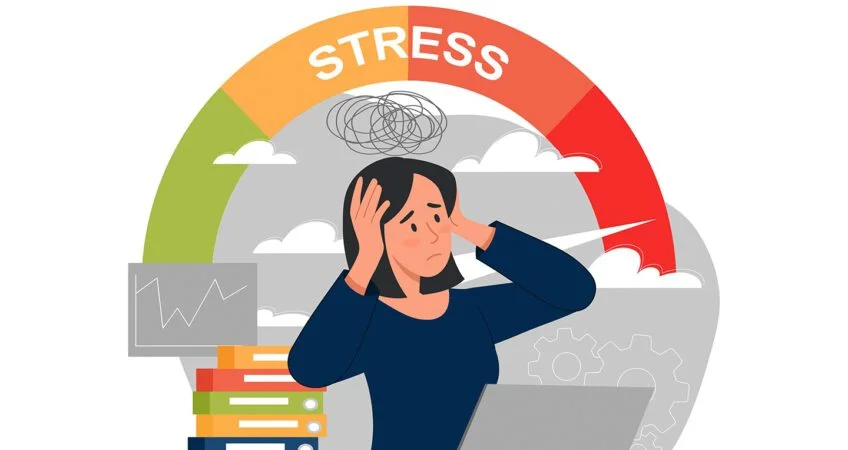
Stress is an unavoidable part of life, but how you handle it can make a significant difference in your overall health. Chronic stress can lead to a range of issues, including heart disease, high blood pressure, anxiety, and depression. Learning to manage stress is a vital component of health and wellness.
Stress-Reduction Tips:
- Practice Relaxation Techniques: Methods such as deep breathing, progressive muscle relaxation, or visualization can help calm the nervous system.
- Engage in Physical Activity: Exercise is one of the most effective ways to reduce stress. Even a brisk walk can relieve tension and improve mood.
- Stay Organized: Poor organization can contribute to stress. Keeping a to-do list or calendar can help you feel more in control.
- Take Breaks: Regular breaks during the day, especially during work or busy periods, allow your body and mind to recharge.
Managing stress is crucial for maintaining good mental and physical health. It’s important to find strategies that work best for you and implement them consistently.
Conclusion
Health and wellness are not isolated concepts but interconnected parts of the journey we call life. By focusing on nutrition, physical activity, mental health, relationships, and preventive care, you can achieve a well-rounded approach to wellness. The Book of Life is filled with chapters that are unique to each person, but the common thread that ties them together is the commitment to well-being.

