


Ventura County’s unique weather patterns significantly shape the approaches homeowners take when installing and maintaining roofing. From sun-soaked coastal communities to hotter inland valleys, the roofing materials and maintenance practices you choose can make all the difference in protecting your home. For those considering a new roof, understanding how climate affects your choices can guide you toward the most long-lasting, cost-effective solutions. Begin your research with trusted local professionals such as https://sbrroofing.com/services/roof-replacement/ to explore tailored options for Ventura County’s unique environment. Given the region’s Mediterranean climate, punctuated by hot summers, mild, wetter winters, and seasonal winds, not all roofing materials perform equally well. Homeowners are wise to weigh these local conditions when choosing products and deciding on maintenance routines, helping to prevent avoidable roof damage and costly repairs over time.
Understanding Ventura County’s Climate
The climate in Ventura County is generally Mediterranean, with most areas experiencing mild, wet winters and long, dry summers. However, there is a marked difference between coastal and inland areas. Along the coast, homes are regularly exposed to cool ocean breezes and salt-laden air, which can increase corrosion and wear on certain roofing materials. Inland, conditions shift to include hotter temperatures and, at times, dry, forceful Santa Ana winds that can compromise weak or poorly maintained roofs. These environmental conditions add up to year-round exposure risks, from UV radiation to salt air, that put pressure on local roofs. This means that residents must not only select materials suited for heat, wind, and moisture but also be diligent about ongoing care.

Impact of Weather on Roofing Materials
Weather forces in Ventura County interact with roofing systems in diverse ways:
- Sun Exposure: Continuous UV exposure weakens and fades many roofing materials, leading to premature deterioration, especially in asphalt shingles and other non-metal roofs.
- Moisture and Humidity: The marine layer prevalent near the coast, coupled with periodic rainfall, increases the risk of water infiltration, mold, and corrosion, particularly on untreated metal components.
- Wind: Seasonal wind gusts, including Santa Ana winds, can loosen or even tear off shingles and tiles if not properly secured or maintained.
Choosing the Right Roofing Material
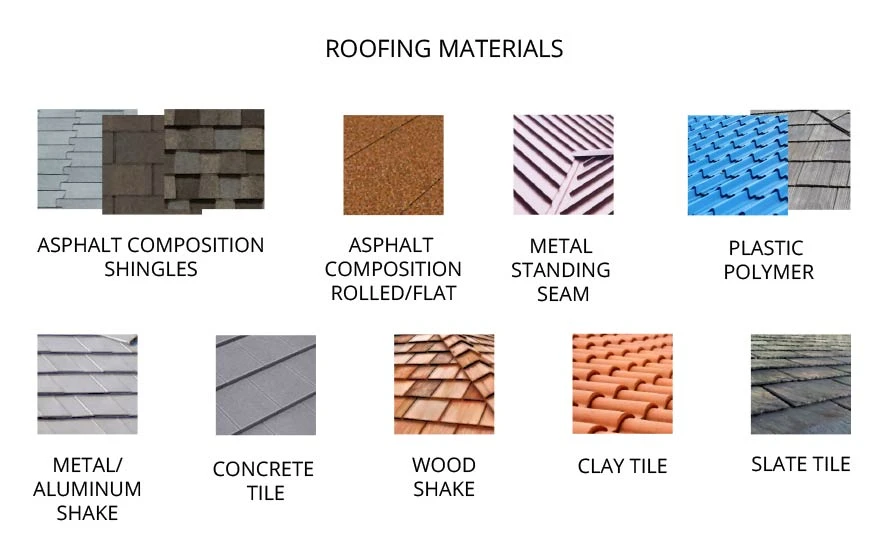
Selecting roofing materials suited to Ventura County’s conditions is a critical step for extending your roof’s lifespan. Here are the common options and what you should consider:
- Asphalt Shingles: These remain an affordable and popular choice, but their lifespan can be reduced in areas with high heat or extreme sun. Periodic replacement may be necessary.
- Metal Roofing: Increasingly attractive for durability, energy efficiency, and fire resistance, quality metal roofs should be coated for corrosion protection when used close to the coast.
- Clay or Concrete Tiles: Well-suited to high temperatures and long-lasting, they are heavier than other roofing types and may require extra structural support, particularly for older homes.
Maintenance Tips for Weather-Resilient Roofs
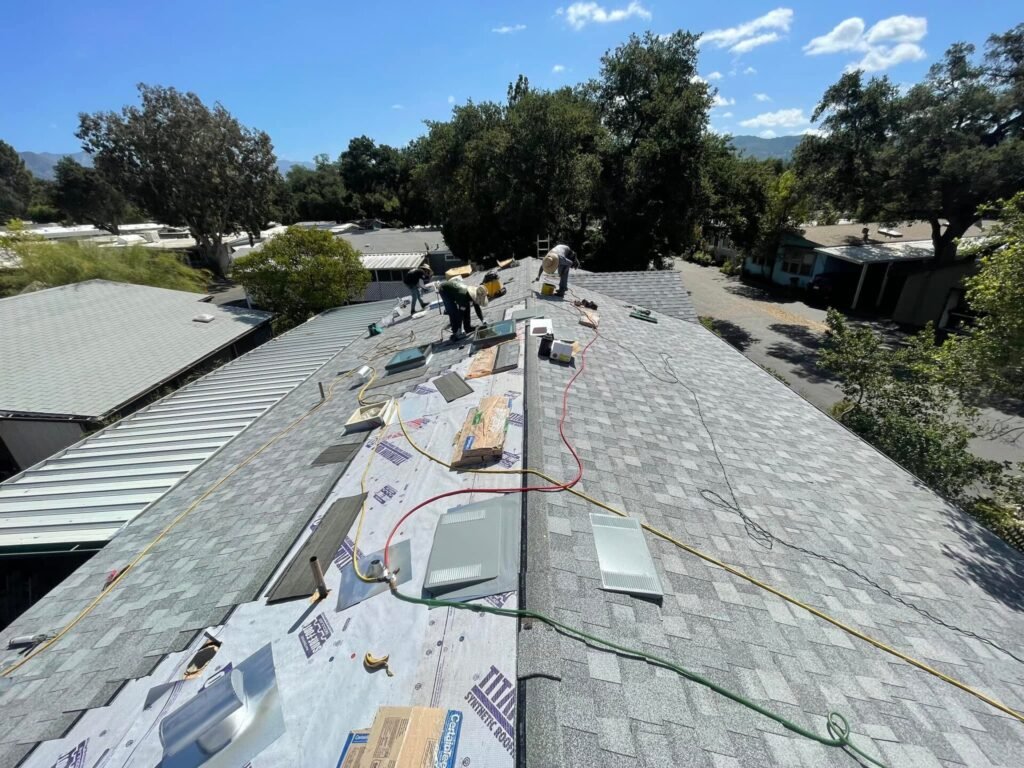
Ongoing roof care is essential for weatherproofing in Ventura County. Simple steps can prevent expensive repairs:
- Schedule professional inspections twice annually, especially before and after the rainy season, to identify potential damage early.
- Keep gutters and downspouts clear. This prevents water accumulation and reduces the risk of leaks or water damage.
- Trim nearby trees and remove overhanging branches to prevent windblown debris from damaging the roof during storms.
Local Building Codes and Regulations
Ventura County enforces building codes aimed at increasing home safety and roof resilience. In high fire-risk zones, roofs must be made from materials that meet at least a Class A fire-retardant standard, a requirement that helps safeguard entire communities. Checking with the Ventura County Building & Safety Division is recommended to ensure your materials and design choices comply with the latest ordinances.
Frequently Asked Questions
How often should I inspect my roof in Ventura County?
Twice-yearly inspections, in spring and fall, help spot wear and tear before small issues become big problems. This schedule is especially important due to the region’s variable weather.
What are the most obvious signs that my roof needs to be replaced?
Look for mass shingle damage, chronic leaks, sagging spots, or a roof nearing the end of its lifespan. Visible wear or persistent problems indicate it is time for an upgrade.
Are there energy-efficient roofing systems that work for Ventura County’s climate?
Yes, cool roofing materials and modern reflectivity technologies can lower attic temperatures, improving comfort and reducing cooling costs in warm summers.
Understanding Ventura County’s distinct climate and its effects on roofing empowers homeowners to make choices that increase durability, promote efficiency, and protect their investment for years to come.
Conclusion
Ventura County’s diverse climate makes roofing decisions especially important for long-term home protection. In areas like Ventura County, California, where coastal salt air, strong winds, and intense sunlight all affect roof performance, choosing the right materials and properly maintaining them are essential. Durable options like metal, tile, or properly treated asphalt can significantly improve resilience against these environmental stresses. Regular inspections and preventive maintenance help homeowners avoid costly damage and extend the roof’s lifespan. By understanding local weather patterns and selecting materials designed to withstand them, homeowners can protect their investment, improve energy efficiency, and ensure their roofs remain strong and reliable for years to come.

