

Writing something to a baby who isn’t here yet is a small, strange, tender thing to do. You haven’t seen the face. You haven’t heard the sound. You are addressing someone who exists only in an ultrasound picture and in the hopes of the people around you. And yet the note you write today may be one they read one day, years from now, from a box in a closet or a page in a keepsake book, when they are old enough to want to know what love was already waiting for them.
That’s the strange gift of a baby shower message. You are speaking to a person who is not here, on behalf of a version of yourself who wants to be part of their life. Most people freeze the first time they try to write one. That is normal. This piece is meant to make it easier.
You will find principles, examples for different relationships and situations, ready-to-use messages, letter samples you can adapt, and honest advice about what to avoid. Take what you need. Leave what you don’t. The goal is a message that sounds like you and feels warm to whoever reads it later.
The Simple Rules That Make a Good Message
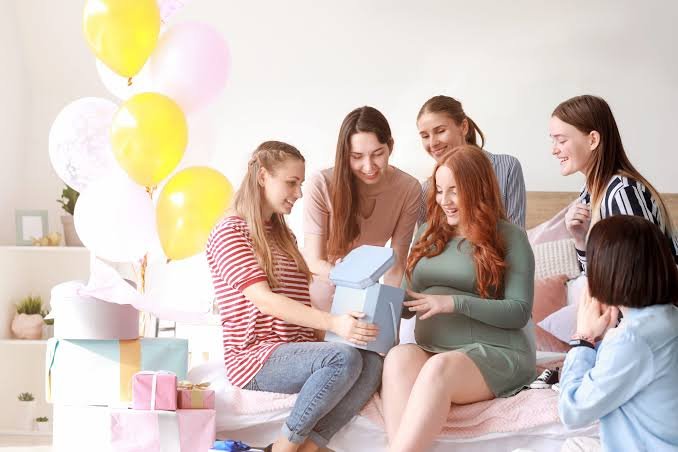
There aren’t many. You mostly need to remember that the baby will grow into a person, and that the person may one day read what you wrote. That changes what a good message looks like.
Write like you are speaking to the baby years from now. Not to the room. Not to the parents. To the child who will exist and who might want to know what today felt like. Keep the words simple enough that a child could understand them. Add one small detail that only you could write, because that is the part that turns a card into a keepsake. If you make a promise, make one you can actually keep. Don’t make the message only about the parents, even though it will be tempting. And don’t worry about sounding perfect. Perfect notes usually sound written. Warm notes usually sound spoken.
That’s most of it.
Why the Message Matters More Than You Think
A baby shower message is not the same thing as a birthday card. A birthday card gets read once and thrown away. A baby shower message often gets saved. It ends up in a memory box, or pasted into a baby book, or tucked into the front of a family album. It gets pulled out years later and read again. Sometimes the child reads it themselves when they are eight or twelve or twenty.
That’s why the words carry differently. You are writing something that has a longer life than most things you write. You are also, at the same time, giving comfort to the parents in the middle of a stretch of life that is exciting and exhausting in equal measure. Pregnancy is a big thing. When people write kind words to the baby, they are also reminding the parents that this child is already surrounded by a circle of people who want them here.
You do not need to predict the child’s future. You do not need to say something profound. You mostly need to say, in your own voice, that they are already loved and already welcome.
Start With the Feeling, Not the Words
The reason most people get stuck writing to an unborn baby is that they try to sound beautiful right away. That is the wrong first step. The words come easier if you start by choosing the feeling you want the baby to feel one day when they read the note.
Do you want them to feel loved? Then write something that says clearly: you were wanted, and here is what wanting looked like. Do you want them to feel safe? Write about the people who will be around them. Do you want them to feel proud of where they come from? Write about the family they are joining. Do you want them to feel calm? Write something gentle and unhurried, and don’t fill it with big claims.
One clear feeling is stronger than a message that tries to say everything. If you pick one before you start writing, the sentences fall into place around it.
Write From the Baby’s Future
The trick that makes almost any baby shower message better is to picture the baby reading it at ten years old, or twenty, or thirty. What would you want them to know about the day before they were born? What kind of love was in the room? What small memory can you give them that they wouldn’t otherwise have?
This is what stops messages from feeling generic. When you write with the future reader in mind, you naturally stop reaching for empty phrases. You start giving them something specific instead.
Here is what that looks like. Instead of writing “wishing you a lifetime of happiness,” which the child at twenty will read as a card-aisle greeting, you write something like: “Before you were even born, people were already smiling because of you. Your mom talked about you every time I saw her that spring, always with her hand resting on her belly like she was already keeping you safe.” That gives the child a real image. It puts them in a room with people who wanted them. That is what a keepsake actually does.
Keeping the Opening Soft
The first line is where most people freeze. You are addressing a person who isn’t here. Everything you write feels either too dramatic or too small. The fix is to start plain.
“Dear little one” works. “Dear baby” works. “Sweet baby” works. If the name has been shared, using the name works and is often the sweetest option. What doesn’t work is starting with a big philosophical line like “You are about to begin the most magical adventure of life.” That reads as filler because it is filler. It could be written to any baby, on any card, at any shower.
Compare it to something like: “You are not here yet, but you are already loved in this room.” That second line places the message in this specific moment. It gives the child, reading it later, a picture of where the note was written. That specificity is the whole game.
Writing About What Is True Right Now
You do not know the baby’s personality. You do not know what they will love or become. But you do know what is happening today. The room is full of people who came because of them. Parents are getting ready. Tiny clothes are folded on a table somewhere. A name has been picked, or is being debated. The family is already talking about the child like they are someone real.
Writing from what is actually happening in the present is one of the strongest moves you can make. It keeps the message honest and it keeps it from sounding like the hundred other cards the parents will receive. You do not need to embellish. You just need to describe.
Instead of “you are a blessing,” try “today the whole room feels softer because everyone is thinking about you.” Instead of “we cannot wait to meet you,” try “your name has already been spoken with smiles today.” Instead of “you are loved,” try “people who have not even held you yet are already saving a place for you in their hearts.” These aren’t fancier phrases. They are more specific ones. That is all it takes.
When You Mention the Parents
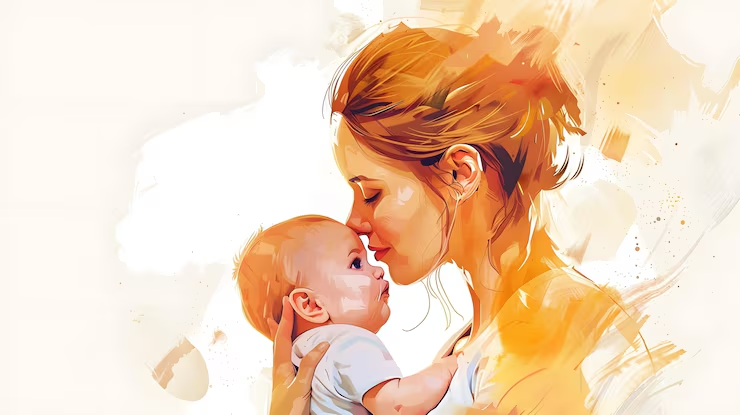
The baby shower is for both the baby and the parents, but the message you’re writing is addressed to the baby. That means the parents should be present in the note but shouldn’t take it over. The move that works is telling the baby something kind and true about their parents that they might not otherwise know.
The child, one day, may read your message and see for the first time how loved and supported their parents were before they arrived. That is a beautiful thing to give someone. It lets them see their own family from an angle they didn’t have before.
You do not need to call the parents perfect. In fact, calling parents perfect is one of the surest ways to make a note read as fake. Real parents are learning. Real parents are tired sometimes and nervous sometimes and thrilled sometimes. Saying they are loving, ready to learn, and excited is more honest than saying they are ready for everything, and it holds up better when the child reads it years later and knows their parents were, in fact, real people.
Something like: “Your parents are waiting for you with full hearts. They may be tired, nervous, and still learning, but their love for you is already clear. You are coming into a home where you will be held, helped, and cheered for.” That works because it lets the parents be human.
The One Personal Detail
If your message includes one specific detail that only you could have written, it becomes a keepsake. If it doesn’t, it stays a nice card. This is the single biggest difference between a message that gets remembered and one that doesn’t.
The detail does not need to be dramatic. It can be small. It can be the way one parent’s face changed when they told you about the baby. It can be a joke that runs in the family that the child will one day understand. It can be a detail from the baby shower itself, like the color of the balloons or the food someone brought. It can be a small tradition the baby will grow up inside.
Something like: “When your mom told me you were coming, she said your name three times before she got through the sentence. I don’t think she’d let herself say it out loud until she knew someone else would hear it. You were already loved in that moment.” That is a real thing. It gives the child an image they wouldn’t otherwise have. It works because it is specific, not because it is beautiful.
The other version of this move is to talk about something the family loves and the baby will grow up inside. If the parents are readers, you can write about the shelves that will fill with stories. If the family is loud around a dinner table, you can write about the meals they’ll grow up hearing. If the parents are funny, you can promise the baby a household full of jokes, some of which will even be good.
Making a Promise You’ll Actually Keep
Promises can make a message powerful. They can also make it hollow if you promise things you can’t deliver. Do not promise to always be there if you don’t know that you can. Do not promise to be the child’s best friend for life if you live across the country and see them twice a year. A small honest promise is worth much more than a big promise that won’t hold up.
Real promises look like this: to make time for the child when you can. To tell them funny stories about their family. To be one of the people who cheers for them as they grow. To speak to them with patience. To show up on the days that matter when you can get there. To teach them a specific thing, if it’s yours to teach.
Something like: “I promise to be one of the people who cheers for you. I will clap for your small wins, laugh at your funny stories, and remind you that you are loved on ordinary days too.” That is specific enough to mean something and modest enough to be honest.
Common Phrases and What to Do With Them
You do not have to avoid every simple phrase. Some of the classics have staying power for a reason. But if the entire message is stitched together from stock lines, it will read that way. The move is not to ban common phrases but to sit with each one for a moment and ask if you can make it more specific.
“You are a blessing” becomes “you have already brought more joy into this family than you know.” “We can’t wait to meet you” becomes “we are already wondering about your tiny hands, your little face, and the first sound you’ll make.” “You are so loved” becomes “before you have even opened your eyes to the world, people are already making room for you in their hearts.” “Welcome to the world” becomes “when you arrive, you will not be stepping into an empty place. You will be stepping into waiting arms.”
Two of these are worth flagging as especially important. “Dream big” often becomes “I hope you grow up knowing your dreams are safe to speak out loud,” which is a much kinder message because it addresses whether the child feels safe expressing themselves rather than just how large their ambitions should be. And “you are perfect” is often better as “you do not have to be perfect to be deeply loved,” because that second version is the message a child actually needs.
Short Messages for a Card
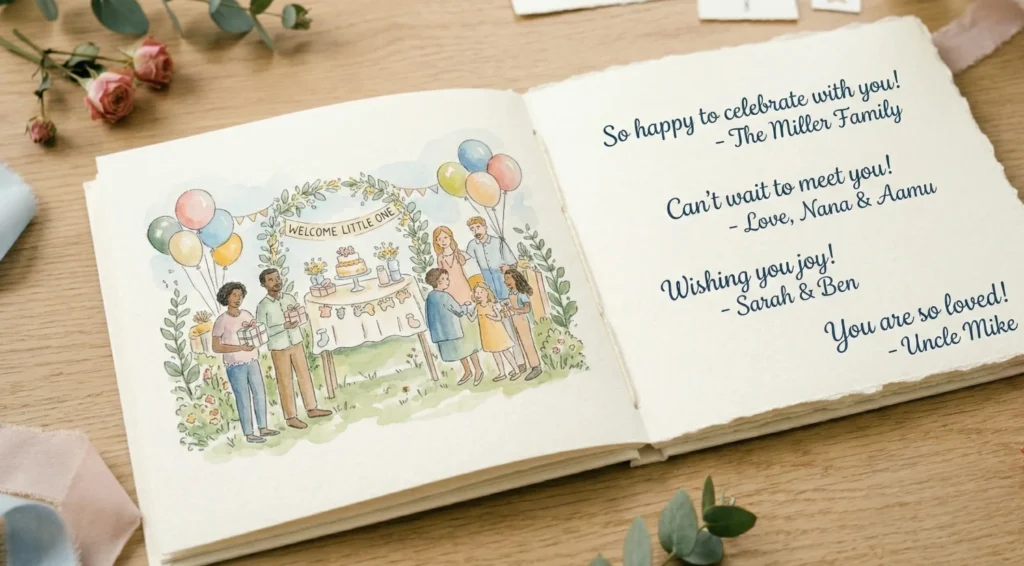
When the card is small, resist the urge to squeeze a full letter into three lines. Pick one clear thought and write it plainly. A short message that says one thing well is stronger than a short message that tries to say everything.
Here are a few that work for different tones:
Sweet: “Dear baby, you are already loved more than you know. We cannot wait to meet you.”
Gentle: “Little one, take your time. We will be here with open arms when you arrive.”
Warm: “You are coming into a family full of love, laughter, and people ready to hold you.”
Personal: “I have not met you yet, but I already care about you so much.”
Simple: “Dear baby, your story is just starting, and it is already full of love.”
Family: “You are joining a family that has been waiting for you with happy hearts.”
Playful: “Tiny baby, get ready. You already have a fan club.”
Hopeful: “I hope your life is full of soft places to land and kind people to guide you.”
Steady: “You are safe, wanted, and loved. That is the best beginning.”
Any of these can be made yours by adding one small detail from the baby shower or the parents or the family. That extra sentence is often the difference between a card that gets tossed and a card that gets kept.
A Longer Letter to an Unborn Baby
If you have space, or you are writing for a memory box rather than a card, a longer letter gives you room to do more. The structure that works is straightforward. Greet the baby directly. Welcome them. Describe what is happening right now, in this present moment. Say something honest and kind about their parents. Share one hope you have for their life. Make one small promise. Close with love.
Here is one full example that follows that shape:
“Dear little one,
You are not here yet, but you are already part of our lives. Today, everyone is gathered because we are so excited for you. There are gifts, smiles, stories, and so much love in this room. You have not made a sound yet, and you have already brought people together.
Your parents are waiting for you with full hearts. They are getting ready in every way they can think of. They may still have questions. They may still feel nervous sometimes. That is normal. What matters most is that they already love you deeply, and that love will help them learn as you grow.
I hope you grow up feeling safe enough to be yourself. I hope you laugh often. I hope you ask questions. I hope you make mistakes and still know you are loved. I hope you always have someone who listens to you, someone who helps you, and someone who reminds you that you matter.
I promise to be one of the people cheering for you. I will be happy for your first steps, your small wins, your big days, and your quiet days too. You do not have to become anything special to earn love. You are already enough.
We cannot wait to meet you. Until then, keep growing strong. There are so many arms waiting to hold you.
With love, Someone who is already on your side”
That works because it speaks to the baby directly, gives them a real picture of the day, tells them their parents were human and loving, offers a hope without turning it into pressure, and makes a promise that is possible to keep. It also holds up years later, which is the real test.
When You Are a Grandparent
A grandparent’s message carries a specific kind of weight. You are the older layer of the family, the one who can speak about roots and stories and time in a way nobody else at the shower can. You do not need to sound formal. The strongest grandparent notes are usually the simplest.
What you have to offer is continuity. You can tell the baby about the family they are joining, the stories that will one day be told to them, the traditions they will grow up inside. You can say what you are looking forward to, in small specific ways. Bedtime stories. Slow walks. Learning your recipes. Hearing them call you by whatever name you end up being called.
A sample that hits the right notes:
“Dear sweet baby,
I have not held you yet, but you already have a special place in my heart. Being your grandparent is a gift I am thankful for every day. I cannot wait to see your face, hear your little sounds, and watch your parents become the loving guides I know they can be.
You are coming into a family with stories, old photos, favorite meals, and people who will be happy to teach you where you come from. I hope I get to share some of that with you. I hope I get to tell you stories that make you laugh and hold your hand when you need comfort.
You will never need to be perfect for me. You will be loved on your loud days, your quiet days, your brave days, and your unsure days. I am already saving so much love for you.
With all my heart, Your grandparent”
That message works because it is warm without being showy. It gives the child a sense of belonging without putting pressure on them. It also promises the specific kind of love a grandparent can give, which is different from the kind a parent gives and different from the kind an aunt or friend gives, and the difference matters.
When You Are an Aunt or Uncle
An aunt or uncle usually gets to be the fun one, the safe secondary adult, the person who shows up with silly songs and, later, with permission to eat dessert first. Your message can carry that lightness while still saying something real.
You can be a little playful. You can promise the child a specific role you plan to have in their life. You can also, quietly, tell them that you will be one of the people in their corner as they grow, which matters more than it seems.
A sample that balances the two:
“Dear little one,
I am already excited to be your aunt/uncle. I cannot wait to meet you, hold you, and find out what makes you laugh. You are going to have so many people loving you, and I want you to know I will be one of the loudest people cheering for you.
I promise to bring fun, patience, and maybe a few silly jokes into your life. I will listen when you have stories to tell. I will clap for your wins. I will remind you that you are loved, even when life feels hard.
You are already special to me. Come when you are ready, little one. Your family is waiting.”
That version keeps the playful role at the front and still gives the child something steady at the end. It works for the aunt or uncle who wants to be fun without ever being only fun.
When You Are a Family Friend
If you are a friend of the parents rather than family, the trick is to be warm without overstating the relationship. You do not need to write as if you are close family. You do not need to promise things that only family can promise. What you can offer is the perspective of someone who has watched the parents through a stretch of their lives and can tell the baby something honest about what they saw.
Family friends often write the most beautiful notes because they can talk about the parents from the outside. They can say things like “I have watched your mom love you already for months. She started showing me the ultrasound pictures the day she got them, and every single one felt like the first one to her.” That kind of observation is a gift a family friend can give that no one else can.
A sample:
“Dear baby,
You are already bringing so much joy to the people who love your parents. Today is proof of that. Everyone here is happy because you are on the way.
I hope you grow up surrounded by kindness. I hope your home is full of laughter, patience, and comfort. I hope you always know that your life matters, not because of what you do, but because of who you are.
I am so happy for your family, and I cannot wait for the day they get to hold you.”
Safe, warm, respectful, honest. That is exactly the register a family friend note should hit.
Funny Messages That Still Feel Loving
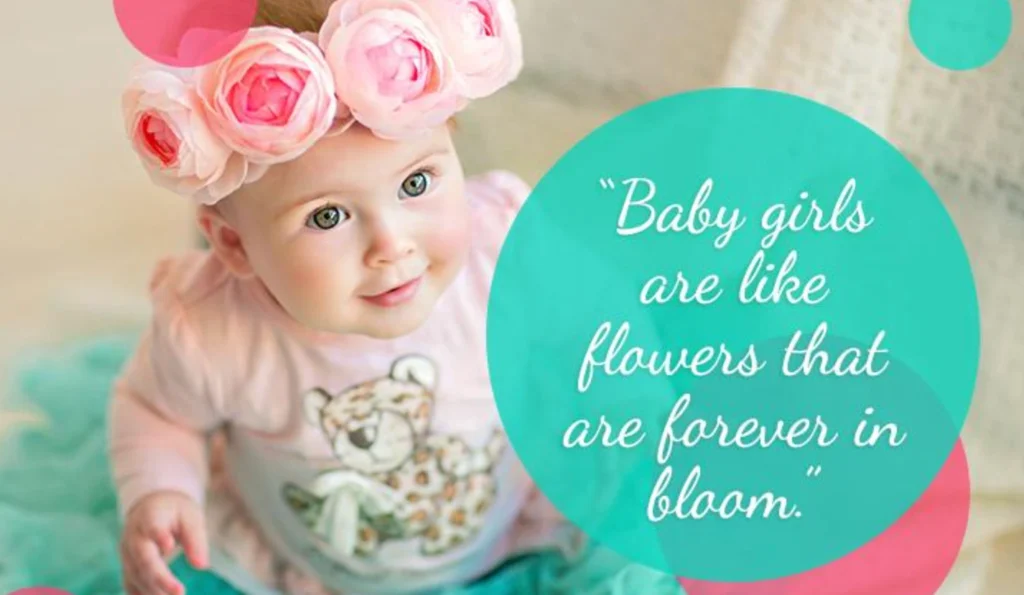
You can absolutely write a funny message. The trick is to keep the humor kind. Baby shower cards that joke about the baby being a burden, ruining the parents’ sleep, costing money, or wrecking the family’s freedom are common. They are also often not what the child wants to read at eight years old when they open the memory box.
Gentle humor works better than sharp humor here. Make the baby sound loved and important, even in the joke.
A few that land:
“You have not arrived yet, and somehow you are already the main topic at every gathering.”
“Get ready, little one. Your fan club has snacks, cameras, and no chill.”
“You are tiny, but I have a feeling you are about to run the whole house.”
“Prepare yourself for many kisses, too many photos, and people talking to you in strange voices.”
“I promise to teach you the important things, like how to make funny faces at serious moments.”
A slightly longer funny message:
“Dear tiny boss,
You are not even here yet, and everyone is already planning around you. That is impressive. Your parents are getting ready, your family is excited, and I am personally preparing my best silly faces.
I hope you arrive safely, sleep sometimes, laugh a lot, and give your parents just enough trouble to become a good family story one day.
You are already loved more than you know.”
That works because the humor sits on top of the love, not in place of it. The reader smiles and the child, one day, still feels wanted.
Emotional Messages Without Getting Heavy
Some people want to write something deep. That can be beautiful, but the risk is making a baby shower card feel like a funeral speech. This is a shower. The tone should be hopeful, not heavy.
The way to write something emotional that still fits the moment is to keep it clear, soft, and honest. Talk about love and safety and being wanted. Don’t try to sound like a poem. The child, later, will feel the weight of the message more clearly if the language is simple.
A sample that lands the emotional note without overreaching:
“Dear little one,
Before you have seen the world, you have already changed it for the people who love you. Your parents are waiting with hope, care, and hearts that are already making room for every part of you.
I hope you grow up knowing you belong. I hope you never feel that you must be perfect to be loved. I hope your home gives you comfort when the world feels too loud.
You are wanted. You are loved. You are already part of us.”
That message is emotional but not overwrought. It says things the child may need to hear one day. It doesn’t try to be more than it is.
Faith-Based Messages
If the parents are religious, or you know they would welcome faith-based language, a message that includes prayer, blessing, or thanks can be beautiful. Keep it gentle. Do not turn the card into a sermon. A simple blessing is usually the right length.
Something like:
“Dear baby,
You are already a precious gift to your family. I pray that your life is filled with love, peace, and guidance. May you grow in a home where kindness is spoken often and faith gives comfort.
Your parents are waiting for you with thankful hearts. We are all so happy that you are on the way. May you always know that you are loved by your family and held in God’s care.”
If you are not sure whether the family would welcome religious language, choose a more general blessing instead. Better to write something warm and non-specific than to write something that lands as heavier than the family wanted.
Non-Religious Blessing Messages
Plenty of families want the feeling of a blessing without the religious language. A non-religious blessing can talk about safety, joy, courage, kindness, and love. It can carry weight without being tied to a specific belief.
A sample:
“Dear little one,
May your life be full of gentle mornings, safe arms, warm laughter, and people who listen when you speak. May you grow up knowing that love is not something you have to chase. It is already here, waiting for you.
May you be curious, kind, and brave in your own way. May your home be a place where you can rest, learn, cry, laugh, and grow.
You are already welcome here.”
That kind of message often ends up being one of the most-kept notes from a shower, because it feels like a real wish rather than a template.
Messages Written Inside a Baby Book
Some baby showers ask guests to bring a children’s book and write a note inside the cover, instead of a card. This is one of the loveliest formats to write in, because the note becomes part of a book the baby will hear read many times.
Your message should be short enough to fit in the cover and should connect, if it can, to the book itself or to reading in general. Something like:
“May this story bring you soft nights and sweet dreams.”
“I hope this book makes you laugh again and again.”
“May this book become one of the stories you ask for one more time.”
“I hope this book becomes part of many quiet moments. May someone who loves you read it with a soft voice, hold you close, and make you feel safe. One day, you may turn these pages yourself and know this book was given before we even met you. With love and happy wishes.”
Books get read to babies dozens or hundreds of times. A note inside the cover has a genuinely long life. It is worth writing something you would want the child to hear.
When You Don’t Know the Baby’s Name
Many parents don’t share the name before birth, and some don’t have one picked yet. You can write beautifully without it. In fact, some of the sweetest phrases come from working around the absence of a name.
“Dear baby” is the safest and most classic. “Dear little one,” “sweet baby,” “little love,” “tiny one,” “dear little heart,” and “baby-to-be” all work for different tones. You can also lean into the mystery of it: “We do not know your name yet, but we already know you are loved. Today, so many people are here because they are happy you are coming.”
That framing turns the unknown name from a limitation into part of the sweetness.
When You Know the Name
If the name has been shared, use it. But don’t overuse it. Once at the beginning, once at the end, or once tucked into a middle sentence is usually enough. Overusing it starts to sound like a search-engine draft.
Something like: “Dear Sofia, your name is already spoken with so much love. Today, everyone is gathered to celebrate you before you are even in our arms. That is how wanted you are. We cannot wait to meet you, Sofia.”
Using the name at the greeting and again at the closing gives the note a shape. It also gives the child, later, a specific piece of proof that their name mattered before they were born.
For a Baby Girl
A message for a baby girl doesn’t need to focus on beauty, princesses, or being sweet. Those lines are everywhere and they age poorly. A stronger message speaks about kindness, courage, joy, curiosity, and being loved as she is. It is fine to call her sweet. Just don’t make sweet the whole message.
A sample that avoids the usual traps:
“Dear sweet girl,
You are already loved more than you can know. I hope you grow up feeling safe, strong, and free to be yourself. May your voice be heard, your heart be protected, and your laughter fill many rooms.
You do not need to be perfect. You do not need to be small in spirit. You are already enough, and so many people are waiting to love you.”
That is a message a woman at twenty-five would still be glad to read from her memory box.
For a Baby Boy
A message for a baby boy doesn’t need to focus on strength, sports, or being tough. A better message includes kindness, patience, courage, and emotional safety. Boys need words that tell them they are allowed to feel, to learn, to be gentle. Old scripts about what a boy should be don’t hold up, and cards written inside those old scripts don’t hold up either.
A sample:
“Dear little boy,
You are already so loved. I hope you grow up knowing that being strong also means being kind, honest, and gentle. I hope you always have people who listen to you and help you feel safe.
May your life be full of laughter, good stories, patient teachers, and family members who cheer for who you are, not only what you do.”
That gives the boy a real wish for his life rather than a template.
For Twins or More Than One Baby
Writing to twins or more takes a small extra bit of care. You want to welcome them together, because they are arriving together and their shared story matters. You also want to honor each of them as their own person, because they aren’t a set, they’re two people who happen to have the same birthday.
The line that captures both is something like “you are both already so loved, and I hope each of you grows knowing you are seen for who you are.” That single sentence does what a whole card of twin jokes can’t.
A fuller version:
“Dear little ones,
You are both already bringing so much joy. Your family is waiting for double the cuddles, double the tiny socks, and double the sweet memories. And I also hope each of you grows up knowing you are loved as your own person.
May you share laughter, comfort, and friendship. May you also have space to be different, to choose your own likes, and to become exactly who you are meant to be.
We cannot wait to meet you both.”
That is a better message than “double trouble,” which will not land well twenty years later.
When the Baby Has Been Waited For a Long Time
Some babies arrive after a long wait, after loss, after fertility struggles, after difficult pregnancies. If you know the family has been through this, the message needs a gentler touch. Don’t write too much about the pain unless you are very close and know they would want that. Keep the focus on love, hope, and how much the baby has been wanted.
Avoid a few things especially. Don’t write “everything happens for a reason.” A lot of people find that hurtful in this context. Don’t make the baby responsible for healing everyone’s grief. That’s a weight no child should carry. Don’t write that the hard part is over, because it isn’t always, and it’s not your call to make.
What works better is language like: “You have been deeply wanted.” “So much love has been waiting for you.” “You are coming into careful, thankful arms.” “You are loved with a very tender kind of love.”
A sample:
“Dear little one,
You have been wanted with a very tender kind of love. Before you arrive, so many hearts are already holding space for you. Your parents are waiting for you with care, hope, and deep gratitude.
I hope your life is full of gentle days, safe arms, and love that does not ask you to be anything other than yourself. You are already enough. You are already loved.”
That message respects what the family has been through without turning the card into a monument to it.
If You Want to Give the Baby Small Advice
Some people like to write advice to the baby. This can be sweet if it stays light. A baby shower card is not the place for a life lecture. Pick a few small kind things and keep the tone loving, not preachy.
Something like:
“Dear baby,
Here is my small advice for you. Grow at your own pace. Laugh when something is funny. Cry when you need to. Ask questions. Make mistakes. Say sorry when you should. Be kind to others, and don’t forget to be kind to yourself.
Most of all, remember this: you are loved before you do anything, win anything, or become anything.”
That reads as love, not pressure. Which is the whole point.
Group Cards
If the card is going around and everyone is writing in the same book, you have less space and less freedom. Keep your line short and warm. Don’t try to compete with the notes above or below yours. One clear kind thought is enough.
“Little one, you are already so loved. We cannot wait to meet you.”
“May your life be full of safe arms, kind words, and lots of laughter.”
“Your family is already smiling because of you.”
“Come when you are ready, sweet baby. Love is waiting.”
Any of these are enough. The parents reading through the pages later will feel the total warmth more than any single card.
Memory Jars and Advice Cards
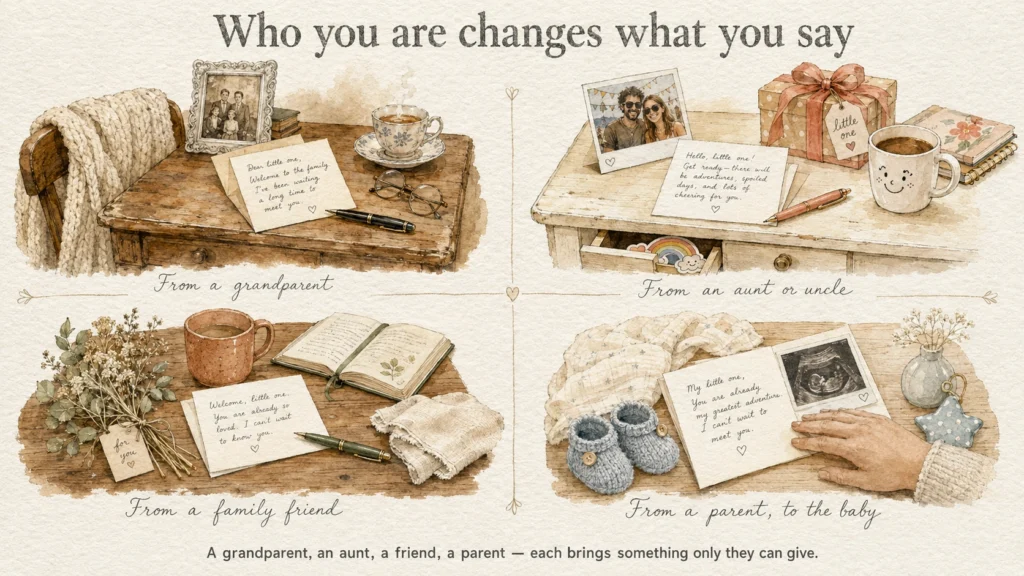
Some showers use small cards that guests fill out with wishes, advice, or a single line for the baby. The parents keep them in a jar or box for the child to read someday. These have more permanence than a typical card, so it’s worth writing something you’d want the child to actually keep.
“My wish for you is that you always feel safe being yourself.”
“I hope you learn that kindness is strong.”
“Always remember that you are loved even on hard days.”
“When you grow up, I hope you know how happy people were before you arrived.”
“Ask questions, laugh often, and never believe you have to be perfect.”
The memory jar note is one of the most-read baby shower items over time, because it’s easy to pick up and read years later. Write like you know the child will actually read it. Because they probably will.
What to Avoid
Some things quietly weaken a baby shower message. Not because they are terrible, but because they read differently when the child is older, or when the parents are tired, or when the moment has passed. A short list:
Avoid “your parents will never sleep again,” because it makes the baby sound like a problem. “Your parents are ready for the sweet, busy days ahead” works better.
Avoid “be a good girl” or “be a good boy,” because it plants a script early. “Grow into yourself with kindness and courage” works better and holds up longer.
Avoid “don’t give your parents trouble,” which puts the child on notice for existing. “May your home be full of patience as everyone learns together” is a kinder version of the same wish.
Avoid “you are going to be a heartbreaker” or “you’ll be a lady’s man,” which sound cute in the moment and dated by the time the child can read. “May you grow up knowing your worth” is the version that ages.
Avoid “you must make your parents proud,” which is a weight the child doesn’t need to be born under. “You are loved before you achieve anything” is the message that helps.
Nothing on this list is a rule. But if you find one of these phrases in your first draft, consider whether the more specific version would age better. Usually it does.
How to Make a Message Sound Like You
The one habit that separates real messages from templated ones is writing your first draft badly. Try to sound polished right away and you’ll end up with card-aisle language. Write what you actually mean first, in your own voice, then clean it up.
Read what you wrote out loud before you copy it into the card. If a sentence sounds like something you would never actually say, take it out. If a phrase feels borrowed, replace it with a phrase from your own life. Small details help. So does short sentences. So does a promise you can keep and a hope you actually hold.
Compare “wishing you a lifetime of happiness” with “I hope your life gives you many small happy moments, the kind that make ordinary days feel good.” Compare “you are loved beyond measure” with “you are already loved by people who have not even held you yet.” Compare “may all your dreams come true” with “I hope you grow up in a home where your dreams are safe to say out loud.”
None of the second versions are fancier. They’re just more yours.
A Simple Formula If You Are Still Stuck
If none of the above unlocks it, try this shape. Greeting, welcome, present feeling, hope, closing. Five parts. Each one short. Together they make a full note.
Greeting: “Dear little one,”
Welcome: “You are already so loved.”
Present feeling: “Today, everyone is happy because you are on the way. Your parents are waiting for you with full hearts, and your family is ready to welcome you.”
Hope: “I hope you grow up feeling safe, brave, and free to be yourself.”
Closing: “We cannot wait to meet you.”
Put those together and you have a message that works for almost any card. Change one line to make it yours. Add one detail from the shower. Sign your name. Done.
The Message That Matters Most
At the end of all of this, the message that matters most is the one you actually write. A short honest note is worth ten polished ones you didn’t finish. A card that says “I don’t know you yet, but I already love you, and I promise to be someone who cheers for you” is enough. That’s the whole point.
The child, one day, will not remember whether the sentence structure was interesting. They will remember, or feel, that a lot of people were waiting for them before they arrived, and that the room they were born into was already full of love.
That’s what a baby shower message is for. Write yours in your own voice, mean what you say, and let it go into the box.
They’ll find it later. It will do exactly what it was meant to do.

