


When most people think about ocean research, they likely picture marine biologists studying whales, scuba divers exploring coral reefs, or scientists tracking weather patterns. What they may not realize is that the ocean plays a surprisingly important role in human health. In fact, some of the most exciting discoveries in nutrition, medicine, and healthy aging have roots in the sea.
The ocean covers more than 70% of the planet, yet scientists estimate that much of it remains unexplored. Beneath the waves lies an enormous collection of organisms, ecosystems, and natural compounds that researchers are only beginning to understand, and companies like Fatty15 are using that knowledge to enhance human health.
From the Sea to the Supplement Shelf
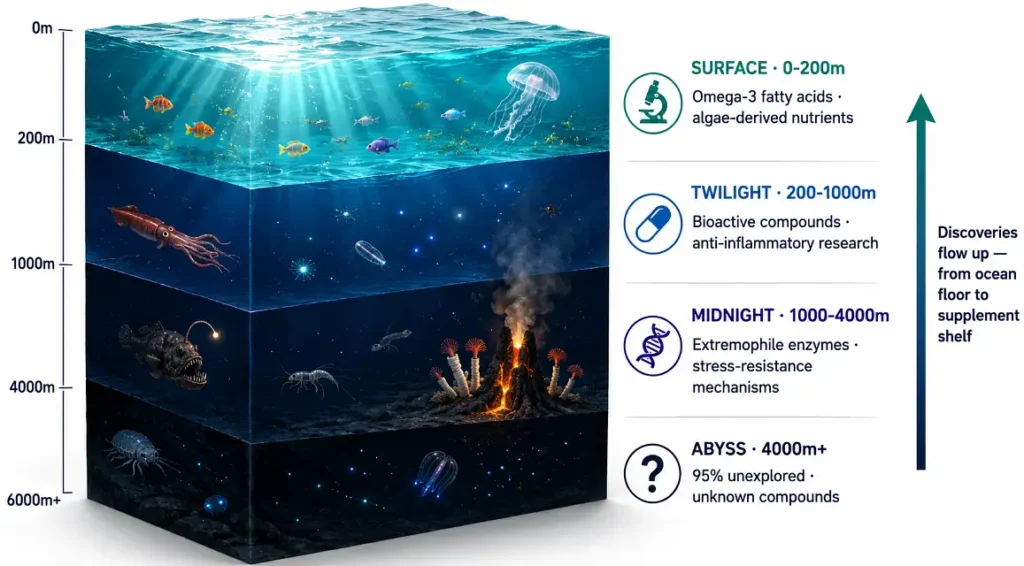
One reason ocean research is so valuable is that marine ecosystems harbor unique compounds that aren’t found anywhere else on Earth. Scientists have long studied sea plants, fish, and microorganisms to better understand how these compounds interact with living systems.
These discoveries have influenced everything from nutritional science to healthy aging research. While scientists continue to investigate how nutrients like these affect the body, their work highlights an important truth: Exploring the natural world often yields new opportunities to support human wellness.
As researchers dive deeper into marine science, they continue to uncover compounds and biological processes that may help shape the future of nutrition.
The Ocean: Nature’s Largest Research Laboratory
The ocean is home to an astonishing variety of life. From microscopic plankton to giant squid living thousands of feet below the surface, marine organisms have evolved remarkable ways to survive in challenging environments. Some thrive in near-freezing temperatures, while others live around deep-sea vents where conditions would be deadly for most forms of life.
These extreme adaptations make marine species especially interesting to scientists. The unique chemicals and biological mechanisms that help ocean organisms survive can offer valuable clues about how living systems function, repair themselves, and adapt to stress.
In many ways, the ocean serves as the world’s largest natural laboratory. Every new species discovered and every ecosystem explored has the potential to reveal insights that could one day benefit human health, making ocean research an investment in science and in the collective future.
Ocean Discoveries That Have Changed Medicine
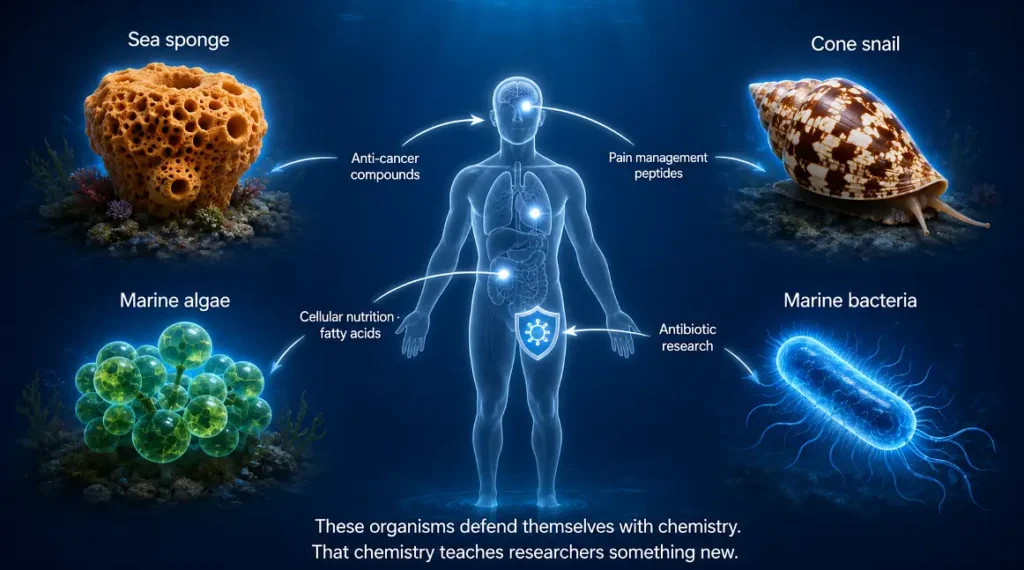
Ocean research has already helped shape modern medicine in ways most people never hear about. Some marine organisms produce powerful natural compounds to protect themselves, communicate, or survive in competitive environments. When scientists study those compounds, they sometimes find properties that can be useful for human health research.
For example, certain sea sponges, cone snails, algae, and marine bacteria have inspired drug development and biomedical studies. These organisms may look small or strange, but they can hold big scientific clues. A sea creature that defends itself without claws or teeth may rely on chemistry instead, and that chemistry can teach researchers something new.
This is one of the reasons ocean research feels a little like a treasure hunt. The goal is to understand how marine life works and how those discoveries might lead to better tools, therapies, nutrients, and technologies for people.
Protecting Ocean Ecosystems Protects Future Health Discoveries
Here is the catch: experts cannot study what disappears before they understand it. Ocean ecosystems are under pressure from pollution, rising temperatures, habitat loss, overfishing, and other human-driven changes. When marine environments are damaged, the impact goes far beyond fish populations or beach vacations.
Every species lost could mean a lost scientific opportunity. A tiny organism living on a coral reef or in the deep sea might contain a compound researchers have never seen before. A fragile ecosystem could hold biological processes that help scientists understand resilience, repair, or adaptation. Once those systems are gone, those lessons may be gone with them.
That is why conservation and research belong in the same conversation. Protecting ocean biodiversity is about saving marine life and protecting a living library of information that could support future discoveries in medicine, nutrition, biotechnology, and healthy aging.
The Health Frontier Beneath the Waves
The ocean may feel distant from daily life, but it is closely connected to human health. It influences the air you breathe, the food you eat, the climate you live in, and the scientific discoveries that may shape the future of wellness.
From marine-inspired medicines to nutrients studied for cellular health, ocean research is a reminder that some of the most valuable answers may come from places experts have barely explored. The sea is a vast, mysterious, endlessly fascinating frontier.
Investing in ocean research means investing in possibility. The next major health discovery may not come from a high-tech lab alone. It may begin deep beneath the waves.

