


Keeping your spine healthy is a fundamental part of ensuring overall wellness. The spine supports movement, maintains posture, and protects the central nervous system. Proper care and daily attention to your spinal health can help reduce discomfort and prevent injuries. As you begin to adopt new habits for spinal health, resources like Burlington Chiro can offer helpful information and guidance on best practices.
Committing to small lifestyle changes can profoundly impact spinal health over time. By integrating effective habits into your daily routine, you not only safeguard your back but also improve your mobility and long-term quality of life. Whether you are at work, enjoying leisure activities, or just relaxing at home, awareness of your spine’s needs is essential.
Maintain Proper Posture
Proper posture is the cornerstone of spinal health, whether you are sitting at your desk or standing in line. When you practice good posture, your head should be neatly balanced over your shoulders, and your back must maintain its natural curve. This alignment evenly distributes body weight and limits undue stress on spinal structures. Consistent practice can reduce headaches, neck pain, and lower back discomfort, making it easier to maintain an active lifestyle.
Engage in Regular Physical Activity
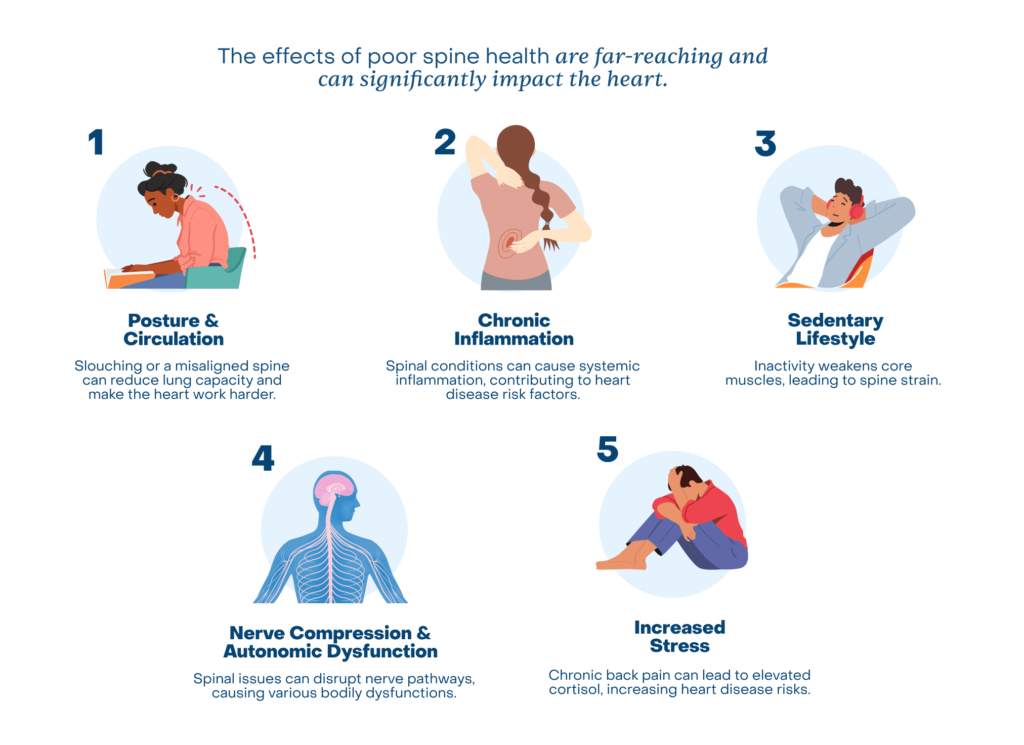
Staying active supports spinal health by maintaining flexibility and strengthening the muscles that support the back and trunk. Activities such as walking, swimming, and yoga improve flexibility and reduce stiffness, while core exercises like planks or bridges provide essential support for the lower back. A strong core not only helps prevent back pain but also encourages better posture during everyday activities.
Consider incorporating a mix of aerobic, strength, and flexibility workouts into your weekly schedule for all-around spinal benefits. Even short periods of repeated movement, such as taking the stairs, gardening, or brisk walking, can keep the back muscles active throughout the day. If you have a sedentary job, integrating regular stretching or brief walks can significantly reduce stiffness and support your spine’s ongoing health. Always consult with your physician or a physiotherapist before starting a new exercise program if you have pre-existing spinal conditions.
Practice Safe Lifting Techniques
Improper lifting can quickly result in back injuries. To protect your spine, always bend at your knees, grip the object close to your body, and keep your back straight as you lift. Avoid twisting your torso while lifting, and always lead with your hips when turning. This routine significantly lowers your risk of sprains and strains at home, work, or during recreational activities.
Take Frequent Breaks from Sitting
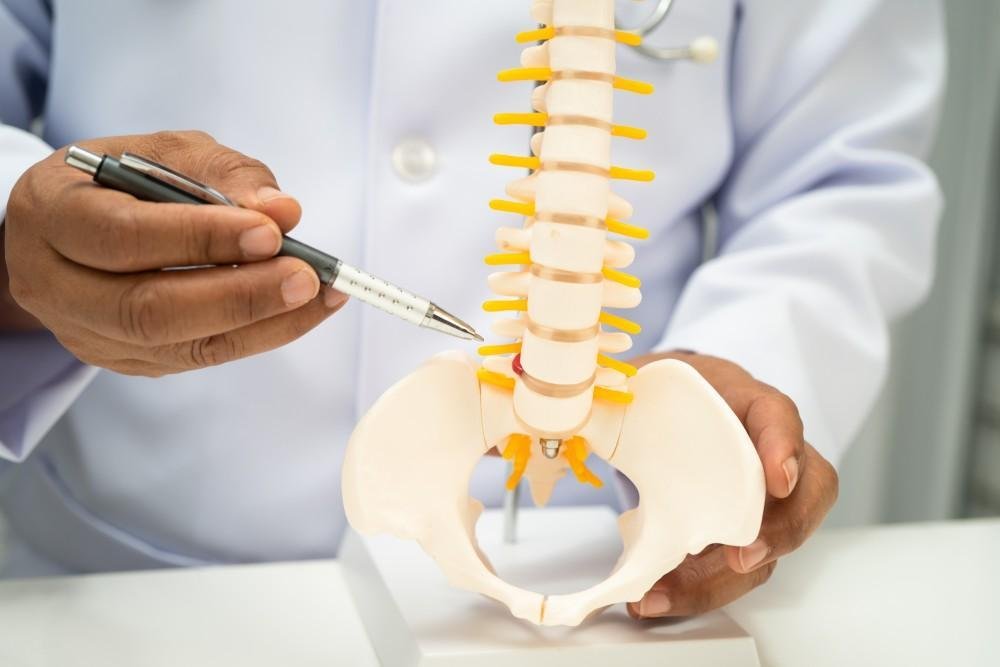
Most people spend long periods sitting during the workday, but remaining seated can compress the discs in your spine, leading to pain or discomfort. Make it a goal to stand, stretch, or take a short walk every 30 minutes. These breaks relieve pressure, improve circulation, and refresh your muscles, helping minimize the risk of chronic pain and stiffness. Adopting this simple habit can improve spinal alignment and musculoskeletal balance.
Stay Hydrated
Hydration is a surprisingly important factor for spinal health. The spinal discs, which act as cushions between the vertebrae, are mostly composed of water. Adequate hydration keeps these discs flexible and resilient, allowing them to function properly as shock absorbers. Make it a habit to sip water throughout the day, aiming for at least eight 8-ounce glasses, especially if you are active or live in a hot climate.
If you find it difficult to drink enough water, carry a reusable water bottle as a visual reminder. Infusing your water with fresh fruit or herbs can make hydration more enjoyable, while tracking your intake in a journal or app can help establish consistency. Limiting sugary drinks and caffeine also supports your hydration efforts and promotes better spinal health.
Ensure Quality Sleep
Sleep is essential for spinal recovery and overall health. Your spine decompresses and rehydrates during sleep, making this time crucial for healing after daily stress. Choose a mattress and pillow that support the natural curve of your spine and keep it in alignment, whether you sleep on your back or side. Establish a consistent sleep routine and avoid heavy meals or screen time before bedtime to promote more restful sleep.
- Ideally, aim for seven to nine hours of quality sleep per night, as chronic sleep deprivation can contribute to back pain and slow healing.
- Consider relaxing bedtime rituals, such as meditation, reading, or soothing music, to help your body unwind.
- Keeping your bedroom cool and dim further supports a deeper, more restorative sleep that benefits your spine and entire body.
Manage Stress
Stress is closely linked to muscular tension, especially in the neck, shoulders, and back. Chronic stress can exacerbate back pain or make existing discomfort worse. Techniques such as deep breathing, meditation, or gentle stretching can lower stress levels and relax muscles supporting your spine. Regularly practicing these coping methods may help prevent tension-associated pain and promote overall well-being.
Finding healthy outlets for stress, such as engaging in hobbies, connecting with loved ones, or spending time in nature, can also play a significant role in maintaining your spinal health. If stress becomes overwhelming or persistent discomfort develops, consider seeking help from a mental health professional or a chiropractor skilled in stress-reduction strategies.
Maintain a Healthy Weight

Extra weight, particularly around the midsection, can strain your spine and lead to pain or injury. Consuming a balanced diet rich in whole foods, fruits, vegetables, lean proteins, and healthy fats supports both weight management and spinal health. Regular exercise is equally important in keeping excess pounds off and protecting the lower back from unnecessary strain.
Monitoring your body weight and making gradual, sustainable changes to your eating and activity patterns can lead to long-term success. In addition to physical benefits, weight management contributes to greater confidence and energy, making it easier to remain active and engaged in daily life. Consulting a healthcare professional or nutritionist for personalized guidance may further aid your efforts to achieve or maintain a healthy weight.
Final Thoughts
Taking care of your spine is an investment in your overall health and daily comfort. By consistently practicing good posture, staying active, and supporting your body with proper hydration and rest, you create a strong foundation for long-term mobility and well-being. Small, mindful habits carried out each day can prevent pain, reduce the risk of injury, and enhance your quality of life. Prioritizing spinal health not only helps you move better but also allows you to stay active, independent, and engaged in the activities you enjoy.

