


Choosing the right fence can completely transform your property, boosting not only its privacy and security but also its curb appeal. Among the available options, wood fencing remains a standout thanks to its natural beauty and versatility. Before you commit to a style, it is important to explore Cincinnati wood fence options for your property so you can confidently select what fits both your taste and practical needs.
A well-chosen wood fence brings a sense of warmth and character to any space, whether you are looking to complement a modern home or add charm to a traditional yard.
Wood fencing allows for a great deal of customization in both style and finish, making it a flexible solution for many homeowners.
To help you make an informed choice, this guide provides a comprehensive overview of today’s popular wood fence styles, compares material options, discusses costs, and breaks down the practical requirements of ownership. You will also learn about installation approaches and how different designs impact your property’s privacy and security.
Another aspect to consider is the impact your fence choice has on the environment. we will cover eco-friendly options that meet the needs of sustainability-minded homeowners.
Popular Wood Fence Styles
Wood fences come in several iconic styles, each serving a unique purpose or design preference:
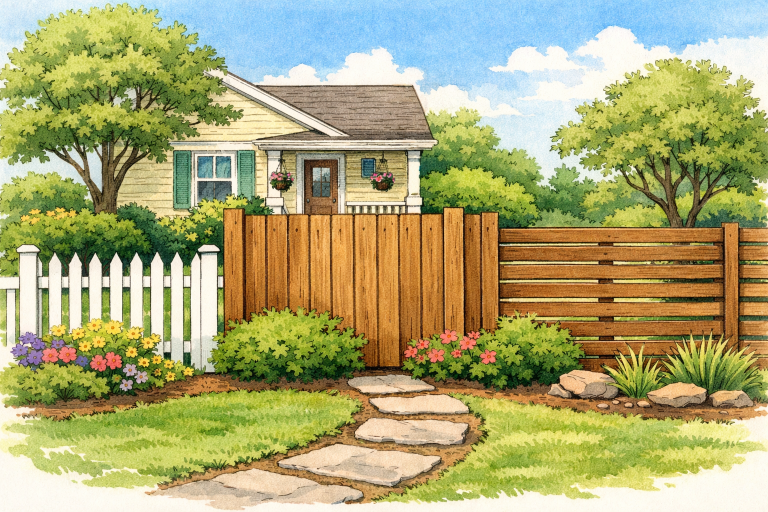
- Horizontal Slat Fences: These modern fences feature horizontal boards, creating clean lines and often making yards appear larger. They suit contemporary homes and those seeking a streamlined look.
- Board-on-Board Fences: With overlapping vertical boards, this style offers full privacy and a symmetrical appearance from both sides, ideal for dividing lines between neighbors.
- Shadowbox Fences: Alternating boards on each side allow for airflow and light while providing a level of privacy, offering balance for those who want openness but not full exposure.
- Picket Fences: Recognized for their classic, welcoming look, picket fences are typically used in front yards to mark property lines while maintaining a friendly facade.
Material Options and Durability
Your choice of wood directly affects how long your fence will last and how much maintenance it will require over the years:
- Cedar: Loved for its resistance to decay and insects, cedar can last from 15 to 30 years when cared for properly. Its color slowly develops a distinguished silvery patina if left untreated.
- Redwood: Another durable option, redwood maintains its color longer and is naturally resistant to pests and moisture, making it ideal for long-lasting fences.
- Pressure-Treated Pine: Treated to withstand rot and insects, pressure-treated pine offers an affordable yet reliable option for homeowners. Routine maintenance is required to prevent warping and to maximize its 10-20 year lifespan.
Cost Considerations
When budgeting for a wood fence, you’ll need to consider both materials and installation costs. On average:
- Cedar: $25-$40 per linear foot installed.
- Redwood: $35-$45 per linear foot installed.
- Pressure-Treated Pine: $15-$25 per linear foot installed.
Pricing can shift based on your chosen design, fence height, and local labor rates. Even factors like terrain and permit requirements can sway costs. For more on how costs vary by region and design, see this overview from HGTV.
Maintenance Requirements
Preserving your wood fence’s appearance and structure involves a few basic but important steps:
- Sealing and Staining: Every two to three years, apply a weatherproof sealant or stain to prevent moisture penetration and shield from harsh sunlight.
- Routine Cleaning: Clean your fence periodically to remove mold, mildew, and debris that can cause premature wear.
- Prompt Repairs: Swiftly address damaged or rotting boards to protect your entire fence from spreading issues.
Installation Approaches
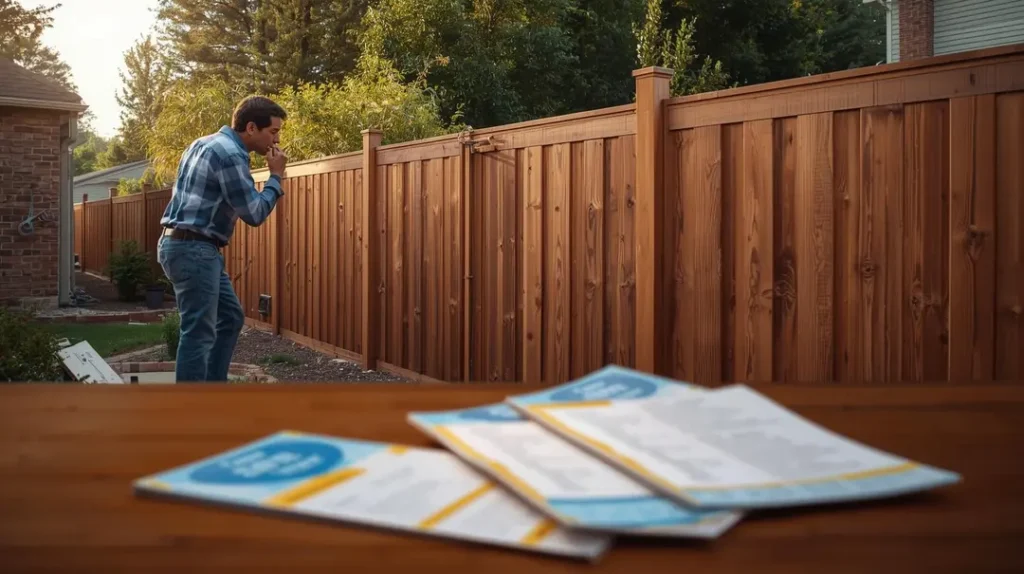
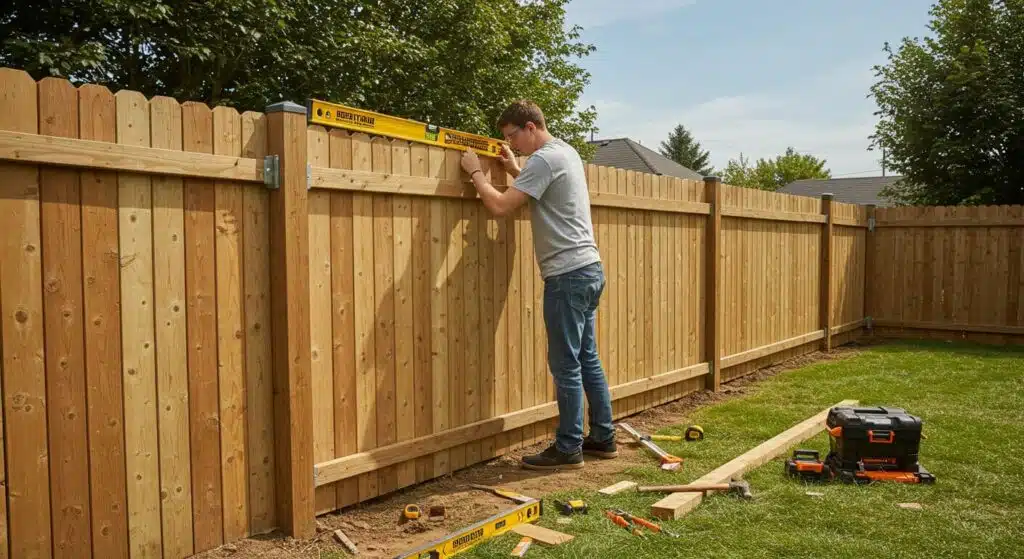
Some homeowners enjoy the challenge and savings of DIY installation, especially with simple styles like picket fences or short privacy runs. However, larger projects or intricate styles typically require professional installation to ensure stability and a polished finish. Professional installers can also manage permits and align your fence with property boundaries, removing some legal concerns during construction.
Enhancing Privacy and Security
Fencing is a practical method of improving home security and privacy when designed thoughtfully:
- Height: Taller fences (typically six to eight feet) discourage intruders and block unwanted sightlines.
- Design: Solid styles like board-on-board or panel fences provide maximum privacy compared to more open designs.
- Sturdy Gates: A solid, lockable gate increases security by controlling entry to your property.
Eco-Friendly Fencing Options
Sustainability is a concern for many homeowners. Modern fence design accommodates eco-conscious goals with options like:
- Bamboo: Highly renewable and fast-growing, bamboo is both strong and visually striking.
- Reclaimed Wood: Salvaged wood gives new life to materials that might otherwise become waste, often adding unique character to your fence.
- Composite Materials: These boards mimic wood using recycled fibers and plastics, greatly reducing maintenance and environmental impact over their life span.

