


People love talking about outdoor trips once they’re over. Hardly anyone talks about the part before them. That’s funny because the trip usually starts there. Not when you hit the road. Before that, while you’re staring at a weather app that’s probably going to change tomorrow anyway. While you’re deciding whether to bring another hoodie, “just in case” somehow wins the argument every single time.
It’s usually not one bad decision that throws a trip off. It’s a handful of tiny ones. Shoes that were “probably fine.” Not enough water because the trail didn’t look that long.
Thinking you’ll figure things out when you get there. Sometimes that works. Sometimes it doesn’t. The Smoky Mountains, especially around Gatlinburg, have a way of reminding people that the mountains don’t really care what the plan was. They have their own pace. The sooner you settle into that instead of pushing against it, the easier everything starts feeling.
Choosing the Right Outdoor Destination
People tend to obsess over packing. They’ll spend twenty minutes deciding which jacket to bring, then pick a destination in five. That order feels backward.
Where you’re going quietly answers most of those packing questions before you even unzip a suitcase. Mountain mornings don’t feel like afternoons. Some places have you walking all day without thinking about it. Others are more about slow drives, short walks, and stopping whenever something catches your eye. The destination sets the rhythm first. Everything else kind of falls in behind it.
The same thing happens with Gatlinburg camping. Staying at Greenbrier Campground changes more than where you sleep. It changes how the day begins. You’re already where you wanted to be instead of spending another hour trying to get there. Coffee tastes a little different when you’re not rushing to beat traffic. Heading out for the day feels simple because there aren’t a dozen little decisions waiting first.
Building a Loose Itinerary
Here’s the thing about mountain trips.
They almost never care about your timetable.
You might leave camp thinking you’ll knock out one trail, grab lunch, and be somewhere else by two o’clock. Then you find a quiet overlook. Somebody wants to sit for a while. Nobody says anything for a couple of minutes because, well, there isn’t much to say. You’re looking at mountains. The schedule slips a little, but it doesn’t really feel like you’ve lost anything.
Understanding Trail Difficulty Levels
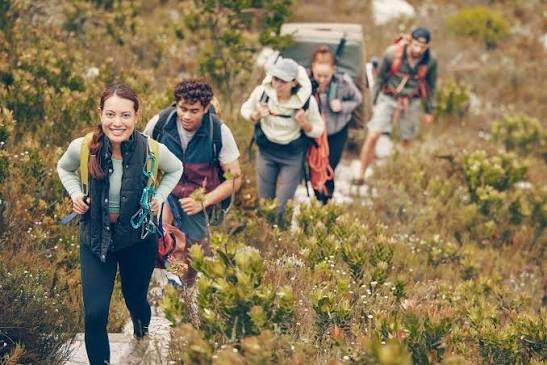
Every trail looks friendly from a parking lot. Then you get about fifteen minutes in and realize the uphill section wasn’t exactly obvious in the photos.
That’s why mileage can be a little misleading. Three miles isn’t always just three miles. Throw in a steady climb, loose rocks, or roots crossing the path, and suddenly the hike asks for a lot more than you expected.
There’s no shame in picking the trail that leaves everybody smiling. You notice more when you’re not counting every step. The waterfalls seem worth lingering around. The overlooks get longer breaks. You actually have enough energy to do something after the hike instead of immediately looking for the nearest chair.
Researching Local Wildlife Before Traveling
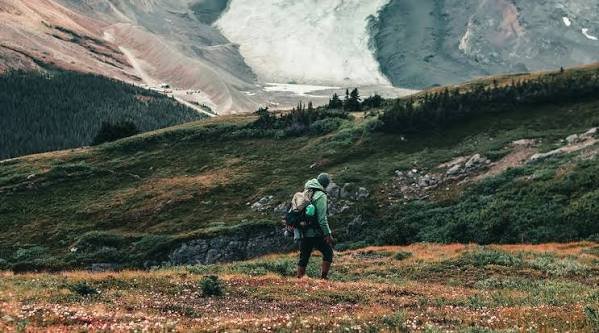
Research always helps with travels, especially family vacations. People picture wildlife as if it’s waiting around for visitors. Most of the time, it’s doing exactly what it was doing before anyone showed up. That’s kind of the point.
Knowing a little about the area before you arrive changes your expectations in a good way. You stop assuming every animal wants to be photographed from ten feet away. You pay more attention to where food gets stored. You realize that giving wildlife space isn’t some rule made to spoil the fun.
Funny enough, the best wildlife moments usually happen when nobody is trying too hard. Somebody notices movement. The conversation stops. Everyone watches for a minute. Then it’s over. Short, quiet, and somehow more memorable because it wasn’t forced.
Learning Basic Navigation Skills
Most people trust their phone without really thinking about it. Until it says “No Service.” That’s usually when everyone suddenly starts looking at each other instead of the screen.
Following trail markers. Looking at a paper map. Remembering that the stream you crossed twenty minutes ago is a useful landmark. Little things like that settle your nerves pretty quickly.
And something else happens, too. You spend less time staring at a screen and more time actually noticing where you are. The trail starts making sense on its own.
Selecting the Right Footwear
It’s weird how little attention shoes get before a trip. People will spend forever comparing backpacks, checking weather apps every couple of hours, and throwing extra snacks into the car because somebody might get hungry. The shoes? Half the time, they’re whatever was closest to the door. That works until it doesn’t.
You don’t usually realize it in the parking lot. You realize it once the trail starts asking for a little more. Maybe there’s loose gravel. Maybe the ground stays damp longer than you expected. None of it feels dramatic. It’s just annoying, and annoying has a way of sticking around.
Rules and Regulations of Parks and Protected Areas
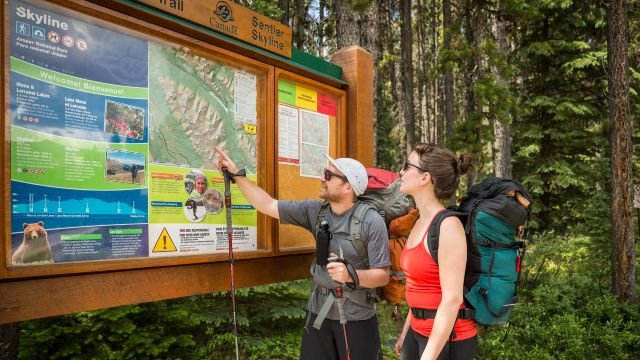
Nobody wakes up excited to read park regulations. They’re scrolling through trail photos instead, looking at waterfalls and saving places to grab lunch afterward. That’s the fun part of planning. The rules don’t become interesting until they suddenly matter.
Maybe the trail you’ve been talking about for weeks needs a permit. Maybe campfires aren’t allowed because conditions are too dry. Maybe parking fills up before you even finish breakfast. It’s rarely one huge surprise. More like a handful of little ones that could’ve been avoided with ten minutes of reading.
Leave No Trace Principles
Some ideas sound bigger than they really are. Leave No Trace is one of them. People hear the name and expect something complicated. Then you look at what it actually comes down to, and it’s mostly common sense. Pick up after yourself. Leave plants alone. Give wildlife space. Don’t leave little reminders that you were there.
The thing is, those small habits don’t just help the park. They change how the trip feels, too. Cleaner campsites are nicer to come back to. Quieter trails stay quiet. Wildlife acts like wildlife instead of reacting to people all day. Everybody gets to enjoy a place that still feels like itself.
Outdoor trips don’t ask for perfect planning. Honestly, they’d probably fight it a little if they could. Something always changes. Somebody sleeps in. A hike takes longer than expected because nobody wants to leave the overlook yet. Lunch happens at three instead of noon. Once the basics are taken care of, the rest of the day has room to unfold however it’s going to unfold. And maybe that’s the best part of spending time in places like the Smoky Mountains.

