


A lot of what circulates online about the C.W. Park USC lawsuit is wrong, some of it seriously so. There are articles claiming a jury handed down a two-hundred-and-fifteen-million-dollar verdict, articles claiming the case was about research fraud, and articles that have the professor suing the university rather than the other way round. None of that matches the court record. So this is a plain account of what can actually be verified from firsthand sources, what the allegations were, and how it ended, with the parts that stayed confidential left as confidential rather than filled in with guesswork.
Who Was Involved And What Was The Case
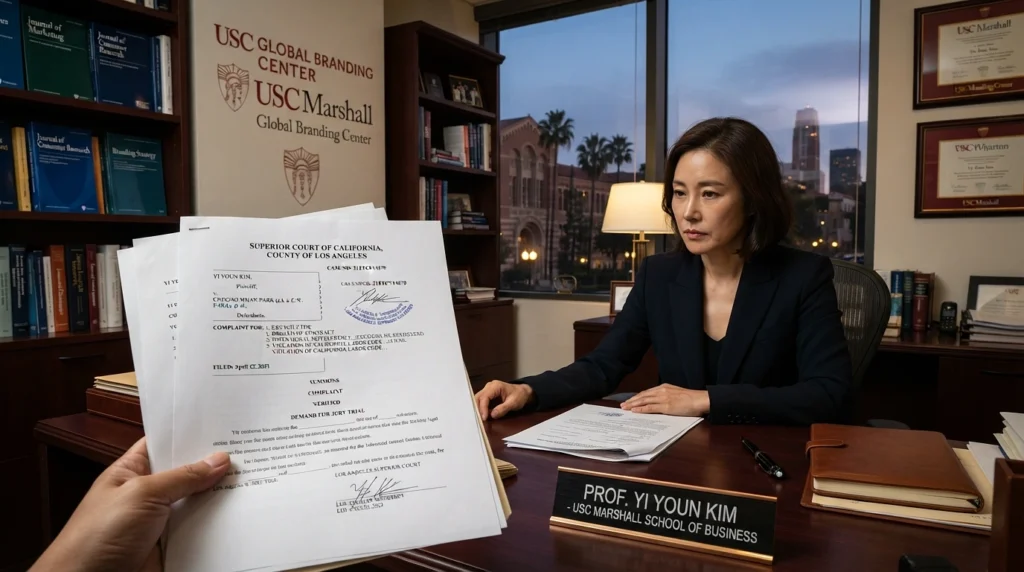
The lawsuit was filed by Yi Youn Kim, a former student assistant at USC’s Marshall School of Business, against Choong Whan Park, who goes by C.W. Park, and against the University of Southern California itself. It was filed in Los Angeles Superior Court in April 2021, case number 21STCV14870.
Park was not a minor figure at the university. He was hired as a marketing professor in 1997 and became director of USC’s Global Branding Center in 2001, a well-regarded name in consumer behavior and branding research. He retired at the end of the spring 2021 semester. Kim worked as his student assistant, reporting directly to him, from August 2016 until April 2019.
What Kim Alleged
According to the complaint as reported by USC’s own student news outlets, Kim alleged that Park sexually assaulted and harassed her repeatedly over the course of her employment. The law rules described advances beginning in the spring of 2017 and further incidents through April 2019.
The complaint also made a broader accusation against the university, that USC allegedly knew Park had what the suit called a propensity to harass young female students, particularly those of Korean descent, and that it failed to protect her. The lawsuit stated that during a later Title IX investigation, at least three other women of Korean descent came forward with similar accounts. Those women were not publicly named.
It’s worth being careful with the language here. These were allegations in a civil complaint. They were Kim’s account as set out in her filing, not findings established at a trial, and that distinction matters for how the case ultimately resolved.
What USC Said
USC denied the allegations. In a response filed June 16, 2021, the university stated it did not commit the acts described in the complaint for any discriminatory or retaliatory reason. Asked for further comment, USC representatives largely declined, citing the confidential nature of personnel matters and the ongoing legal process.
Park himself did not respond publicly. He and his legal team did not speak to the student outlets covering the case at the time of filing.
How The Case Actually Ended
This is the part the unreliable articles get most wrong, so it’s worth stating cleanly.
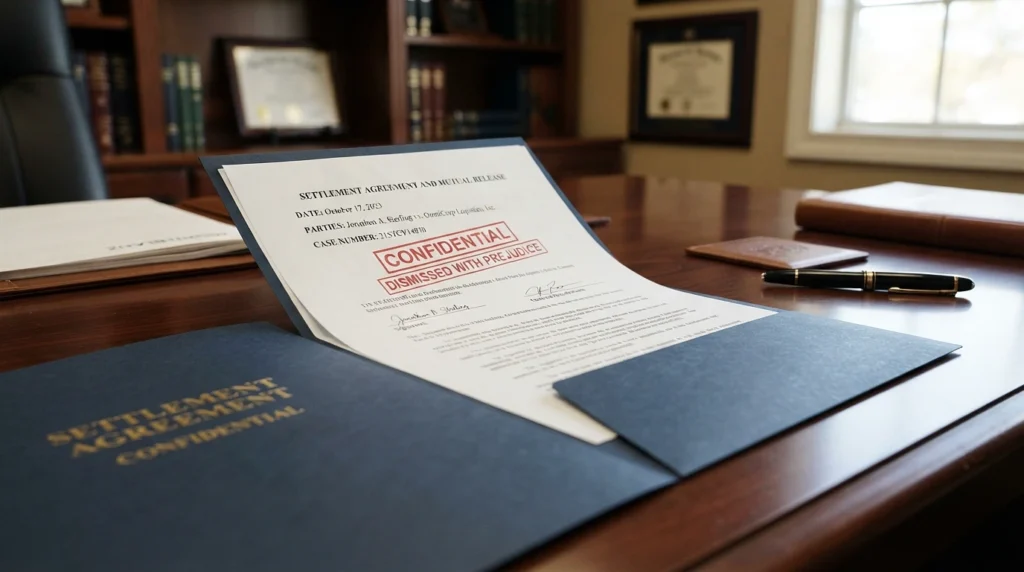
There was no jury trial and no verdict. The case was resolved through an out-of-court settlement reached on October 17, 2023, and the Title IX claim was dropped. The settlement amount is confidential, at the defendants’ insistence, and a confidential civil settlement is not a finding of guilt or liability. This is confirmed by the plaintiff’s own law firm, which handled the case, and by the LA Superior Court records.
So anyone telling you a jury found Park guilty and awarded a specific enormous sum is repeating a fabrication. That widely-copied figure appears to be confused with an entirely separate and much larger USC case involving a former campus gynecologist. The Park matter settled privately, the terms are sealed, and neither of those things is the same as a courtroom verdict.
Why The False Versions Spread
The reason this case has such a muddled online footprint is itself worth understanding, because it’s a small case study in how misinformation compounds. The lawsuit touched several genuinely newsworthy themes, an institution’s handling of misconduct complaints, Title IX process, the power imbalance between a tenured professor and a student employee, and that made it attractive to content farms churning out search-optimized articles.
Each one paraphrased the last, a few invented specifics to sound authoritative, and the invented specifics got copied forward as if they were fact. A confidential settlement became a jury verdict. A sexual misconduct suit picked up phantom “research fraud” claims. The professor’s role as defendant flipped to plaintiff in some retellings. None of it traces back to the actual court record, which is precisely why, on a case involving a real person and real allegations, the only defensible thing to report is what firsthand sources actually confirm and nothing beyond it.

