


If it feels like there’s always more work than people to do it, you’re definitely not imagining things. Most teams hit that point eventually. The instinct here is usually to hire. but that’s not always the fastest (or the smartest) fix. A lot of the time, the real issue isn’t capacity, it’s how the work is flowing.
With a few thoughtful changes, you can make things run a lot smoother – no extra headcount required. Four of the best adjustments have been outlined below.
Start by Looking at How Work Actually Gets Done
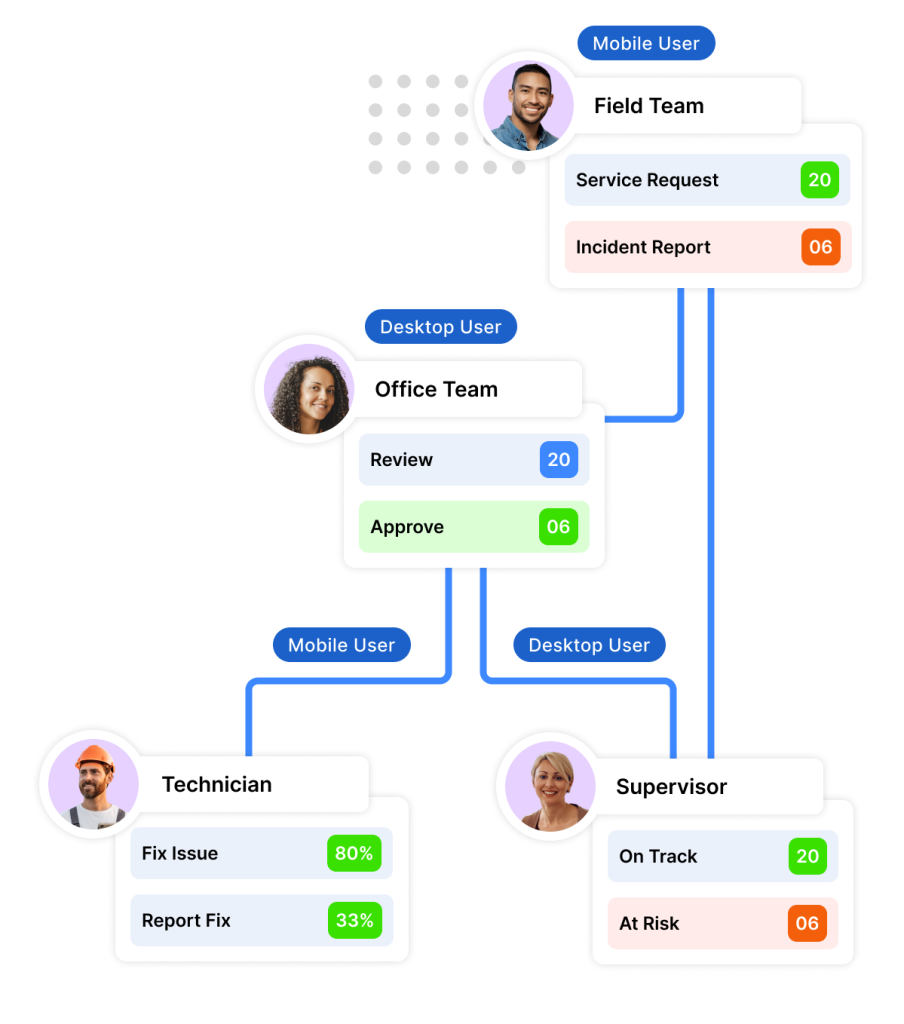
This part isn’t glamorous, but it’s where everything starts. Take a proper look at your current processes. not how they’re supposed to work, but how they really play out day to day.
Where do things get stuck? What steps feel repetitive or unnecessary? Are people constantly waiting on approvals or chasing information?
If you’re not sure, ask your team. They’ll usually have plenty to say. The goal here isn’t to point fingers – it’s just to spot the friction. Once you can see it clearly, it becomes much easier to fix.
Use Automation (Without Going Overboard)
After you’ve identified the slow, repetitive bits, that’s your cue to bring in some help specifically, automation.
A lot of everyday tasks don’t actually need a human touch. Things like updating spreadsheets, sending reminders, or organizing incoming requests can often be handled automatically.
This is also where it helps to understand what is an AI agent. In simple terms, it’s a tool that can do more than just follow rules – it can make decisions, learn over time, and handle slightly messier tasks. It might sort support tickets. It could draft responses. It might even route work to the right person. This all happens without you having to step in.
But here’s the important part: don’t try to automate everything at once. That usually creates more chaos than it solves. Start small. Fix a few pain points. Build from there.
Keep Everything in One Place – Seriously!
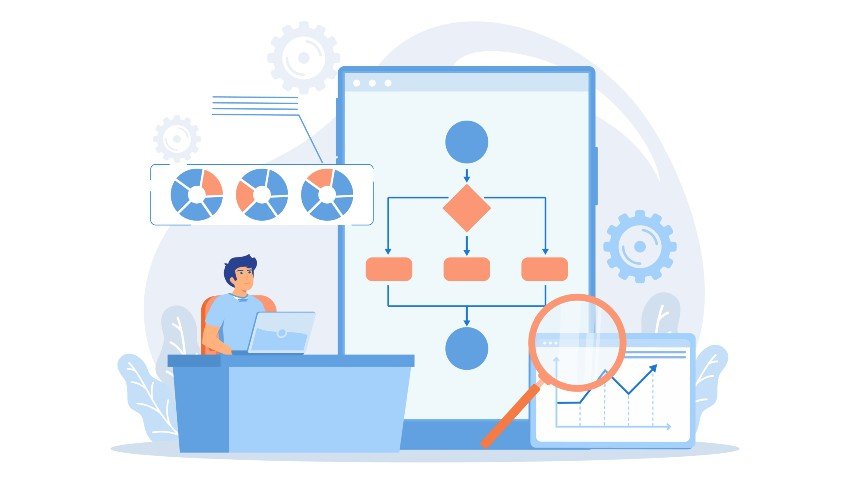
If your team is bouncing between emails, Slack threads, random docs, and who-knows-where-else just to find what they need, that’s a huge time drain.
Bringing your work into one central place makes life so much easier. It doesn’t really matter which tool you use – what matters is that everyone knows, “This is where we go for information.”
Alongside that, having some basic structure helps more than you’d think. Simple templates. Checklists. Shared ways of doing things. All of this means people don’t have to start from scratch every single time. It saves time, reduces mistakes, and makes onboarding new team members way less painful.
Get Clear on Who’s Doing What (and How You Communicate)

A surprising amount of inefficiency comes down to simply confusion. If it’s not clear who owns a task, you either get two people doing the same thing – or no one doing it at all.
So, it’s worth taking the time to define roles clearly. Nothing complicated, of course, just enough so everyone knows what they’re responsible for.
Communication matters, too. Not everything needs a meeting, and not every update needs to clog up someone’s inbox. Set a few basic expectations – such as where quick updates go versus bigger discussions – and you’ll cut down a lot of noise.
And don’t assume you’ll get it perfect the first time. Check in with your team now and then. Ask what’s working, what’s annoying, and what could be smoother. Those small adjustments really add up.
To conclude, streamlining workflows isn’t about squeezing more out of people – it’s about removing the stuff that slows them down. When you fix the way work moves, everything else gets a little bit easier. That’s often all you need to keep up – no hiring spree required.

