


Roofs fail quietly first. No dramatic collapse, just small signals—dark patches, a faint drip, grit in the gutter that shouldn’t be there. People ignore those. That’s usually where the damage begins. A solid roof isn’t just shingles sitting in neat rows; it’s layers doing different jobs shedding water, letting heat escape, resisting wind lift. If one layer slips, the others get stressed, sometimes slowly, sometimes all at once. So the first habit is inspection, not once a year but in passing, quick looks from the ground, after storms, especially. Binoculars help, though even a glance catches missing tabs or sag lines. You don’t need to climb every time; actually, don’t. Falls happen more than leaks.
Seasonal Checks, Not Just Panic Fixes
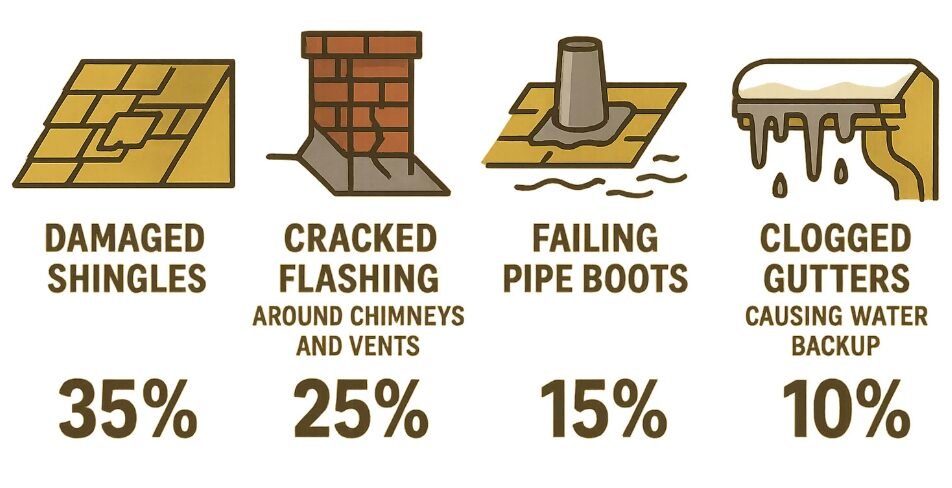
Spring brings debris, autumn piles leaves, and winter hides trouble under ice. Each season leaves a different kind of mess. Clean gutters early, not when they overflow. Water backing up under shingles—common, avoidable. Check flashing where the roof meets walls or chimneys; it loosens, pulls back, and invites water in. Sealants dry out, crack; they don’t announce it. And sometimes repairs done years ago just stop holding. No warning. Around this point, many homeowners call service providers like Dr. Roof roofing company not because everything’s falling apart, but because a second set of eyes catches what you missed. That matters more than timing.
Ventilation Isn’t Optional
Heat builds up in attics, trapped air pushing against the roof from below. In summer, it cooks shingles; in winter, it melts snow unevenly, then refreezes at the edges ice dams form, water backs up under the surface. Ventilation solves more than people think. Ridge vents, soffit vents, and even basic airflow channels. If insulation blocks airflow, you get the same problem, just hidden. A roof that breathes lasts longer. Sounds simple; it’s often ignored.
Water Always Wins
Rain isn’t the enemy; standing water is. Slopes should shed water fast, but dips happen poor installation, aging wood beneath, sometimes just weight over time. Once water sits, it finds entry points. Even nails can become channels. So check for pooling after heavy rain. Flat roofs are trickier; they need drains kept clear and membranes intact. A small tear grows under sunlight, expands, then leaks when pressure builds. You won’t notice until the ceiling stains. By then, it’s not just the roof anymore.
Materials Matter, But So Does Installation
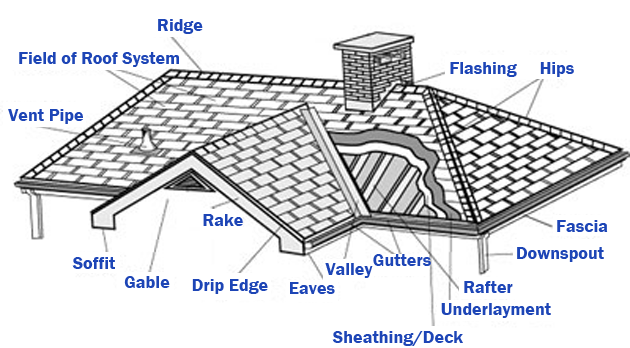
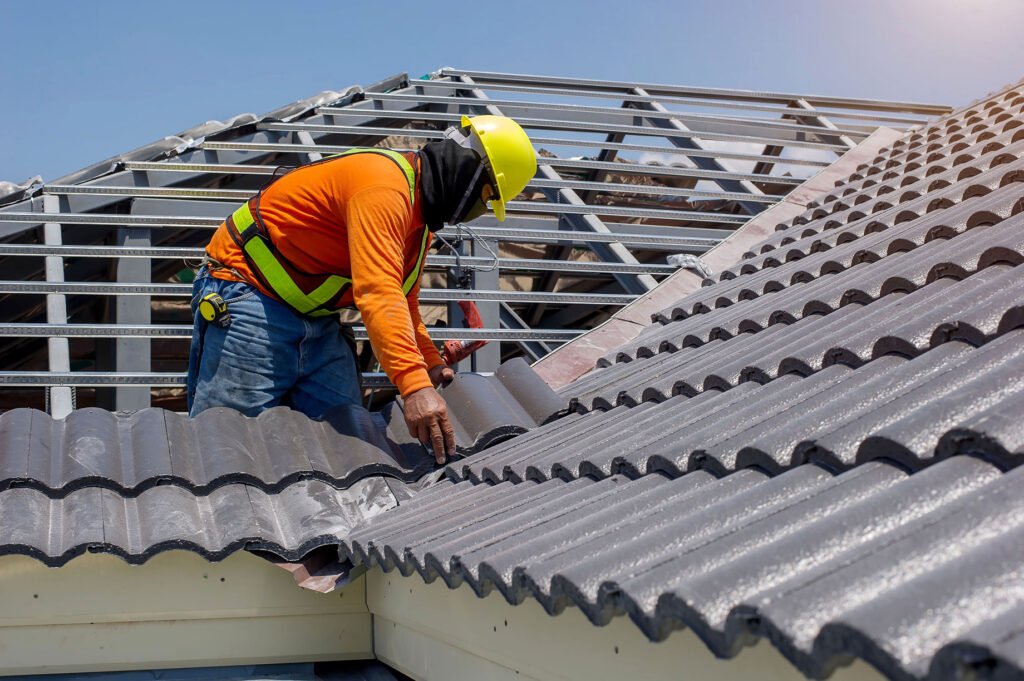
People argue about shingle types—metal vs asphalt vs tile—but installation quality often decides lifespan. A premium material poorly installed fails early. Basic shingles, done right, hold up well. Nails placed wrong, too high or too few; adhesives not set properly; flashing misaligned—these are quiet faults. They don’t show day one. They show in year three, five. Hire carefully. Ask about methods, not just price. Cheaper bids skip steps, sometimes invisible ones.
Trees Are Not Always Friendly
Shade helps with heat, yes, but branches scrape against shingles during wind. Over time, granules wear off, exposing the surface beneath. Leaves collect, trap moisture; moss grows in damp spots, lifting shingles slightly, enough to let water creep in. Trim branches back, not aggressively, but enough to stop contact. Roots don’t matter here, but overhang does. And animals squirrels, birds use those branches as bridges. They find small gaps and make them bigger.
Small Repairs Beat Big Replacements

A cracked shingle is not urgent until it is. Replace it early; it’s a quick job. Ignore it, water gets in, underlayment weakens, wood rots. Then the repair spreads. Same with flashing gaps, minor leaks. Patch, seal, monitor. Don’t wait for multiple issues to stack. But also don’t patch endlessly—there’s a point where replacement is cheaper long term. Knowing that line is tricky. Experience helps, or a reliable contractor who doesn’t oversell.
Storm Damage Isn’t Always Obvious
- After strong winds or hail, roofs may look fine from the ground. Yet impact bruises shingles, knocks off granules, and weakens them.
- Damage shows later as premature aging.
- Insurance inspections catch some of it, but not all.
- If a storm hits hard, get it checked. Not urgently, but soon enough.
- Waiting months blurs the cause; claims get harder. Documentation matters. Photos help, even basic ones.
Keep an Eye on the Inside Too
Ceilings tell stories. Stains, slight discoloration, peeling paint—signs of moisture. Attics reveal more: damp insulation, mold spots, even a faint smell. Check during different weather conditions. A dry attic during summer might leak in winter due to ice dams. Patterns change. So should your checks. Not constant, just occasional. Enough to catch trends.
Don’t Trust Lifespan Labels Blindly
Shingles rated for 25 years don’t always last that long. Climate shifts, maintenance habits, and installation quality—these change outcomes. In harsher conditions, lifespan shortens. Heat, humidity, storms—each factor adds stress. So think in ranges, not fixed numbers. Plan ahead. Start budgeting for replacement before failure, not after. Emergency replacements cost more, and decisions get rushed.
Clean, But Not Carelessly
Pressure washing looks satisfying and strips dirt fast. It also strips protective granules if done wrong. Use gentle methods, or skip it unless necessary. Moss removal should be careful; scraping too hard damages shingles. Chemical treatments work but must be used properly. Overuse harms surrounding plants. Balance matters here clean enough to prevent buildup, not so aggressive that you create new problems.
Gutters Deserve More Attention Than They Get
They’re part of the roof system, even if they hang off the edge. Clogged gutters cause overflow; water spills down walls, seeps into foundations. Or backs up under shingles. Install guards if debris is constant, but still check them. Nothing is maintenance-free, despite marketing claims. Downspouts should direct water away from the housesimple, often ignored.
Know When to Step Back
Some jobs aren’t for homeowners. Steep roofs, major repairs, structural issues—leave those to professionals. Safety first, always. Ladders slip, surfaces shift. A quick fix isn’t worth a fall. But staying informed still matters. Ask questions, understand what’s being done. Not every explanation will be clear; that’s fine; you’re not the contractor. Still, basic knowledge prevents bad decisions.
A Roof Is a System, Not a Surface
People treat roofs like a single layer. It isn’t. It’s decking, underlayment, ventilation, flashing, drainage—all interacting. Fixing one part affects others. Replace shingles without addressing ventilation, and problems persist. Clean gutters, but ignore flashing; leaks continue. Think in systems. That mindset changes maintenance habits.
Consistency beats intensity. You don’t need perfect upkeep, just regular attention. Small checks, occasional fixes, and timely inspections. That keeps the roof doing its job—quietly, mostly unnoticed. Which is exactly how it should be.

