


Investing in a new furnace is a significant decision for any homeowner, as it directly influences your home’s comfort, energy efficiency, and future expenses. Taking the time to understand your options ensures that your investment pays off for many years. Whether you are replacing a failing system or upgrading your home’s efficiency, being well-informed is crucial to making the best choice. For residents in the Greater Toronto Area, professional furnace installation in Brampton is a vital step towards achieving optimal performance and ongoing comfort throughout the heating season.
Modern furnaces offer a range of features, efficiencies, and price points designed to suit various needs. From choosing the appropriate fuel source to understanding warranty coverage, every consideration plays a role in long-term satisfaction. It is essential to factor in the model’s energy efficiency, the specifics of your home, and the reliability that comes from proper sizing and expert installation. For most families, the furnace is a key part of home life during the winter months, and a thoughtful approach safeguards comfort while minimizing operating costs.
Balancing upfront costs with ongoing savings and examining available rebates and incentives helps homeowners make financially prudent decisions. Additionally, it is essential to account for local climate and regional energy prices when narrowing down your choices. Each variable affects the overall value and effectiveness of your heating system.
Since a furnace is a long-term home investment, taking time to compare warranties, assess maintenance needs, and confirm proper installation can prevent trouble down the line. Ultimately, a reliable furnace that fits your specific requirements offers peace of mind and steady comfort during the coldest months.
Types of Furnaces
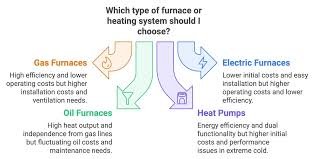
Furnaces come in several varieties, each operating on specific fuel sources. The most prevalent types include natural gas, electric, oil, and propane furnaces. Natural gas furnaces are popular for cost-effective heating and widespread utility availability in many communities.
Electric furnaces are often chosen in areas with limited gas infrastructure, though they can lead to higher utility bills over time due to higher electricity prices.
Oil furnaces are well-suited for colder climates and homes not connected to gas mains, but they require ongoing fuel deliveries and consistent maintenance to perform reliably. Propane furnaces serve as a flexible middle ground in areas where gas service is unavailable, providing heating performance comparable to that of traditional natural gas models.
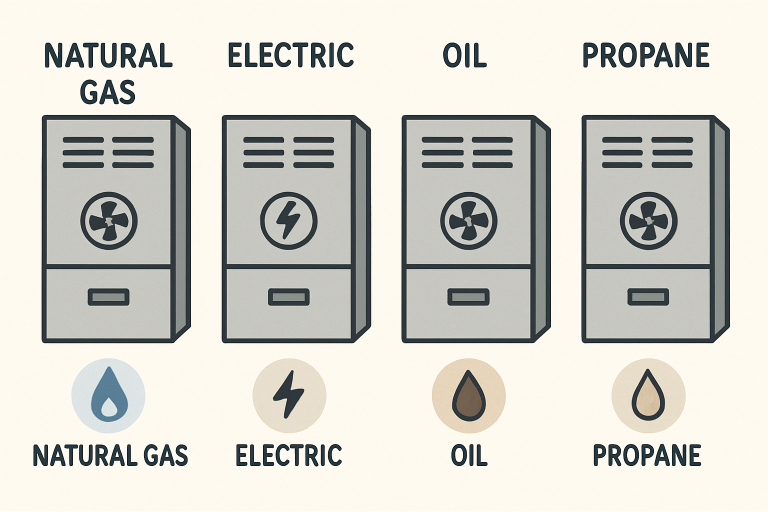
Deciding which type is best for your home depends not only on fuel availability and price trends in your area but also on personal preferences regarding emissions and long-term maintenance expectations.
Energy Efficiency
When evaluating furnace options, energy efficiency should be a top priority. The Annual Fuel Utilization Efficiency (AFUE) rating is the standard measure for comparing how efficiently furnaces convert fuel into usable heat.
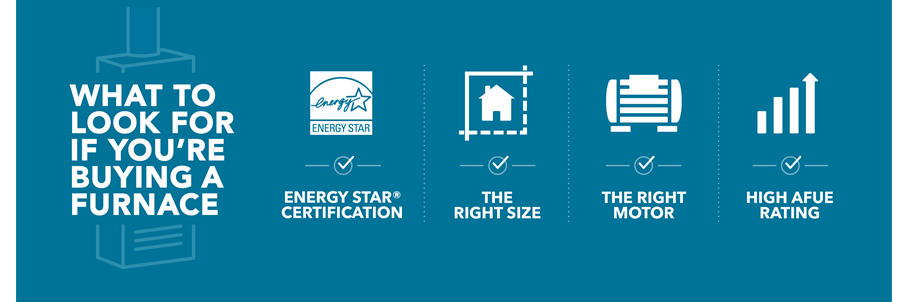
A high-efficiency unit with an AFUE of 95 percent means that only 5 percent of energy is lost in the process, resulting in significant reductions in monthly utility bills over time. High-efficiency furnaces can cost more upfront but make up for the difference through ongoing savings and may also qualify for government or utility rebates. For more information on the importance of high-efficiency appliances, refer to guidance from the U.S. Department of Energy.
Proper Sizing
Furnace sizing is a critical factor that is often overlooked. An undersized furnace will struggle to maintain consistent warmth in your home, leading to overworked components and uneven temperatures.
Conversely, an oversized furnace can lead to excessive energy usage, rapid cycling, and greater wear and tear.
Professional HVAC contractors use detailed heat load calculations that take into account your home’s square footage, insulation values, and climate zone to recommend an appropriately sized unit. Proper sizing ensures your furnace operates efficiently and extends its service life.
Installation Quality
The performance and longevity of a furnace depend as much on the quality of installation as on the product itself. Expert installation by a licensed, experienced provider ensures the furnace meets manufacturer specifications, local building codes, and safety standards. A poorly installed furnace can risk gas leaks, reduced efficiency, and frequent repairs. Homeowners are advised to choose installers with strong reputations and verify licensing credentials. The HVAC.com Furnace Buying Guide provides additional insight on what to look for in a reputable installation provider.
Maintenance Requirements
Routine maintenance is essential for ensuring the safe and efficient operation of any furnace. Gas furnaces usually require inspections for leaks, heat exchanger integrity, and combustion safety, whereas electric furnaces need periodic checks of electrical components, filters, and blowing mechanisms.
- Ignoring maintenance can reduce efficiency and increase the risk of breakdowns during peak heating months.
- Evaluate the regular maintenance needs of each furnace type before making a selection to avoid unexpected bills and inconvenience.
Cost Considerations
Assessing both the initial price and the lifetime operational costs of a furnace is vital for long-term value. While high-efficiency models often cost more, their lower energy use can yield substantial savings, helping offset the investment within a few years. Research available government rebates or incentives to help reduce total costs.
It is advisable to consult your utility provider or local government to find out which rebate programs may apply to your purchase.
Climate Considerations
Regional climate directly impacts furnace selection. In areas with harsh winters, a high-capacity, high-efficiency furnace is required to maintain indoor comfort and manage energy costs effectively. Those living in temperate or milder regions may do well with a smaller or less powerful unit that still provides reliable heating. Review weather data and consult local HVAC experts to determine the ideal furnace capacity and features for your geographic location.
By carefully examining factors such as furnace type, energy efficiency, professional installation, and warranty options, homeowners can make informed decisions that deliver comfort, value, and reliability for years. Taking time to research and consult with trusted professionals ensures you select a furnace that will serve your family well through many winters to come.

