


Wasps and hornets are a common sight during the warmer months, especially around homes with gardens, outdoor seating areas, or exposed structures. At first, they might seem like just another part of the outdoors. But once they start building nests close to your home, they can quickly become a serious concern.
Unlike some pests, wasps and hornets can be aggressive, especially when they feel their nest is threatened. Their stings are painful, and for some people, they can even trigger allergic reactions. What makes things more challenging is how quickly a small nest can grow into a larger problem if it’s ignored. Many homeowners try to deal with the issue on their own, but without the right approach, it can be risky. Understanding how these insects behave and knowing when to step back is key.
Let’s start by looking at why wasps and hornets settle near homes and what you can do about it safely.
1. Understanding Wasp and Hornet Behavior
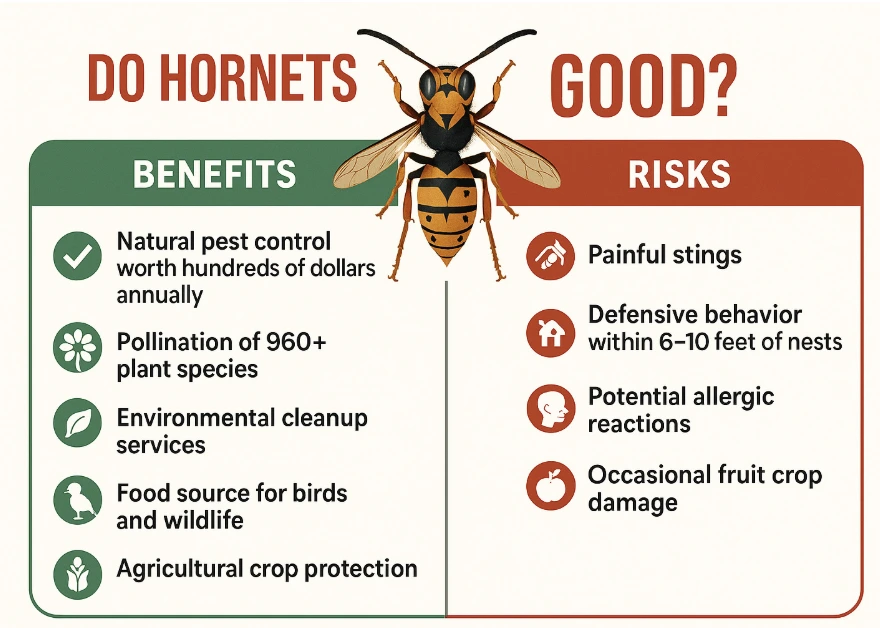
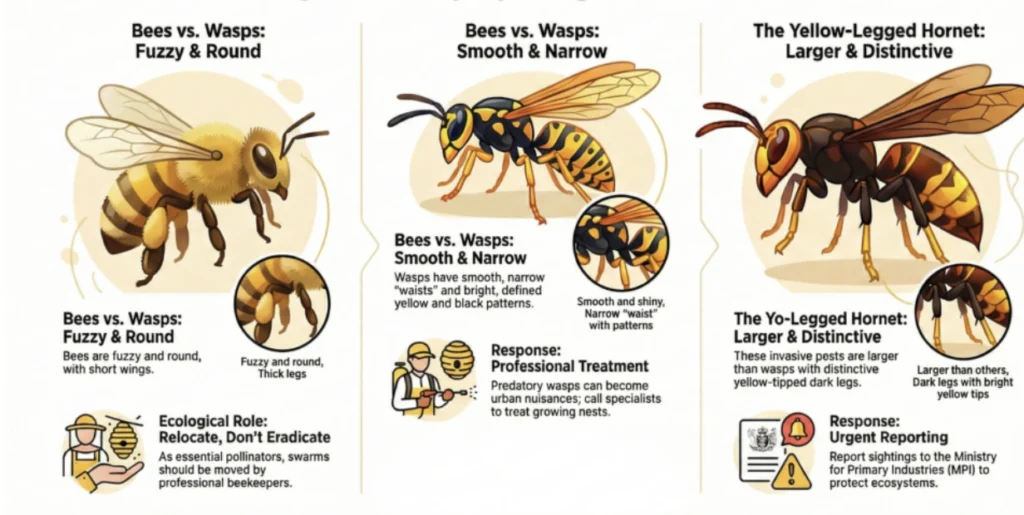
Wasps and hornets are both stinging insects, but they have slightly different habits. Wasps are usually slimmer and often build paper-like nests under eaves, decks, or in shrubs. Hornets are larger and tend to create bigger nests, sometimes in trees or hidden wall spaces.
These insects are drawn to areas that provide shelter and easy access to food. Open trash bins, leftover food, and even sugary drinks can attract them. Once they find a suitable spot, they begin building nests that grow over time as the colony expands.
One important thing to remember is that wasps and hornets become more aggressive when their nest is disturbed. Even getting too close can trigger defensive behavior.
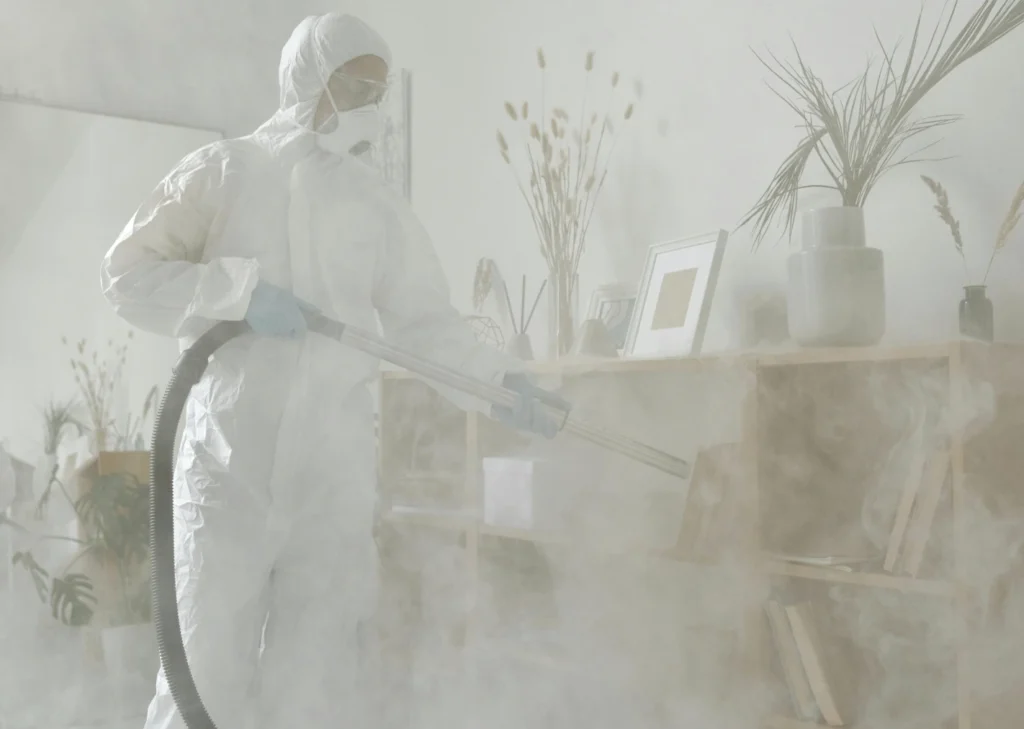
For situations where nests are already established or located in risky areas, homeowners often turn to fast wasp & hornet removal services, which focus on safely eliminating nests using proper equipment and methods while reducing the risk of stings or repeated infestations.
Understanding their behavior helps you respond calmly and avoid actions that might make the situation worse.
2. Identifying the Signs of an Infestation
Early detection can make a big difference when dealing with wasps and hornets. The sooner you notice the signs, the easier it is to manage the problem.
One of the first things you might see is an increase in activity around your home. If you notice multiple wasps flying in and out of the same area, it could mean there’s a nest nearby.
Visible nests are another clear sign. These can appear under roof edges, inside sheds, or hanging from tree branches. Sometimes, nests are hidden inside walls or attics, which makes them harder to spot.
You might also hear a low buzzing sound coming from certain areas, especially in quiet parts of the house. This can indicate that insects are active inside a structure.
Paying attention to these signs early can help you take action before the situation becomes more difficult to handle.
3. Immediate Safety Precautions
| Aspect | Details |
|---|---|
| Stay Calm | Remain calm and avoid sudden movements to prevent provoking wasps or hornets. |
| Avoid Swatting | Do not swat at insects, as this can make them aggressive and increase sting risk. |
| Keep Distance | Maintain a safe distance from the nest at all times. |
| Protect Children & Pets | Ensure children and pets stay away from the nest area to avoid accidental disturbance. |
| Wear Protective Clothing | Use long sleeves, gloves, and closed shoes if you must be nearby to reduce sting risk. |
| Avoid Daytime Removal | Do not attempt to remove nests during the day when insects are most active. |
| Choose Safer Timing | Early morning or late evening is relatively safer, but caution is still required. |
| Overall Safety | Following these precautions helps prevent injuries while planning the next steps. |
4. DIY Methods for Small Problems
In some cases, small nests can be handled without professional help. However, this should only be considered if the nest is in its early stages and easily accessible.
Store-bought sprays designed for wasps and hornets can be effective when used correctly. These sprays allow you to treat the nest from a distance, reducing direct contact.
Timing is important. Applying treatment during early morning or late evening, when insects are less active, can improve results and lower risk.
Even with these methods, there are limitations. DIY solutions may not fully eliminate the colony, especially if the nest is hidden or already well-established.
If you’re unsure or uncomfortable at any point, it’s always better to step back and consider safer alternatives.
5. Preventing Wasps and Hornets from Returning
Prevention is one of the best ways to avoid dealing with wasps and hornets in the future. A few simple habits can make your home less attractive to them.
Start by sealing cracks and gaps around your home. Check rooflines, windows, and walls for openings where insects might enter or build nests.
Keep food covered, especially outdoors. Wasps are attracted to sweet and protein-rich foods, so cleaning up after meals and sealing garbage bins is important.
Some homeowners use decoy nests to discourage new colonies from forming. Since wasps tend to avoid areas with existing colonies, this can sometimes help.
Regularly inspecting your home during warmer months allows you to catch small nests before they grow larger.
6. Managing Outdoor Spaces Safely
Your outdoor space plays a big role in whether wasps and hornets decide to stay nearby. Keeping it clean and well-maintained can reduce the chances of an infestation.
Trim trees and bushes so they don’t provide easy nesting spots. Overgrown vegetation can create sheltered areas that insects prefer.
Check sheds, garages, and under decks regularly. These spots are often overlooked but can become nesting areas.
Remove clutter and debris from your yard. Piles of wood, leaves, or unused items can attract pests and provide hiding places.
By maintaining your outdoor areas, you reduce the risk of nests forming close to your home.
7. When to Call Professionals
There are times when handling wasps and hornets on your own isn’t the safest option. Large nests, hidden colonies, or aggressive behavior are all signs that professional help may be needed.
Experts have the tools and experience to remove nests safely and completely. They can also identify problem areas and suggest ways to prevent future infestations.
Trying to deal with a large or difficult nest without proper equipment can lead to injuries. In these situations, it’s best to rely on professionals who know how to handle the risk.
Dealing with wasps and hornets can be stressful, but it doesn’t have to be overwhelming. The key is to approach the situation with care and the right knowledge.
By understanding their behavior, taking safety precautions, and using effective prevention methods, you can reduce the chances of an infestation. For more serious problems, professional help offers a safer and more reliable solution.
With the right steps, you can protect your home and enjoy your space without the worry of unwanted stinging insects.

