


Between school bags dropped by the door, piles of laundry waiting to be folded, and toys scattered across the living room floor, managing a family home often feels like an uphill battle. A busy household naturally generates a lot of stuff, from daily mail to sports equipment. However, when that stuff begins to pile up, it takes away valuable living space and drastically changes the atmosphere of your home. Reclaiming your floor plan is not just about making the house look neat for unexpected guests.
It is about creating a peaceful environment where your family can actually relax, recharge, and enjoy spending time together without feeling overwhelmed by their surroundings.
The Mental Toll of a Messy Environment
Before diving into sorting bins and heavy-duty rubbish bags, it is helpful to understand why a chaotic house feels so overwhelming. The visual distraction of excess items constantly competes for your attention, leading to a state of cognitive overload. Research shows that cluttered environments have been linked to increased production of the stress hormone cortisol, leaving individuals in a constant low-grade fight or flight state. This persistent underlying tension can impact everything from your digestion to your sleep quality.
When your brain is constantly processing the visual noise around you, unwinding at the end of a long day becomes incredibly difficult. Clearing out the excess is a direct investment in your mental wellbeing, as a tidy room naturally promotes a sense of calm and control. Knowing exactly where your belongings are stored eliminates daily frustrations and helps you start each morning on a positive note.
Smart Storage Solutions for Family Homes

Even before attempting a ruthless decluttering session, families usually find themselves with items they simply cannot part with but do not need on a daily basis. Holiday decorations, sentimental childhood keepsakes, bulky winter gear, and family heirlooms often fall into this category. Trying to shove these things into the top of wardrobes or under beds will only recreate the problem you are trying to solve, making your bedrooms feel cramped and claustrophobic.
Instead of forcing your house to hold more than it comfortably can, consider renting secure off-site storage to keep these important items safe. Removing the overflow from your daily environment ensures your belongings remain protected while allowing your home to function as a living space rather than a makeshift warehouse. This approach gives you the freedom to hold onto cherished memories without sacrificing your daily comfort.
Practical Steps to Categorise Your Belongings
The most effective way to tackle a whole house is to start small, working room by room or even drawer by drawer to avoid burning out. Begin by establishing clear categories for everything you own: items to keep, items to donate, items to throw away, and items to relocate. Having designated boxes for each category keeps the process moving smoothly and prevents indecision.
As you sort, consider how you currently utilise your entire property footprint. For example, many homeowners start by evaluating if small sheds are the secret to a tidier backyard and whether moving tools, gardening supplies, or sporting gear outside could free up precious indoor cupboards. Shifting seasonal or outdoor items out of the main living zones instantly creates breathing room and gives you a much better sense of the indoor space you actually have available for daily use.
Establishing a Sustainable Daily Routine
Once you have successfully reclaimed your floor plan, the real challenge is keeping it that way. The key is to implement simple habits that prevent household clutter from creeping back in over time. A massive weekend cleaning marathon is exhausting and rarely sustainable, but dedicating a few minutes to daily maintenance is entirely manageable for even the busiest families.
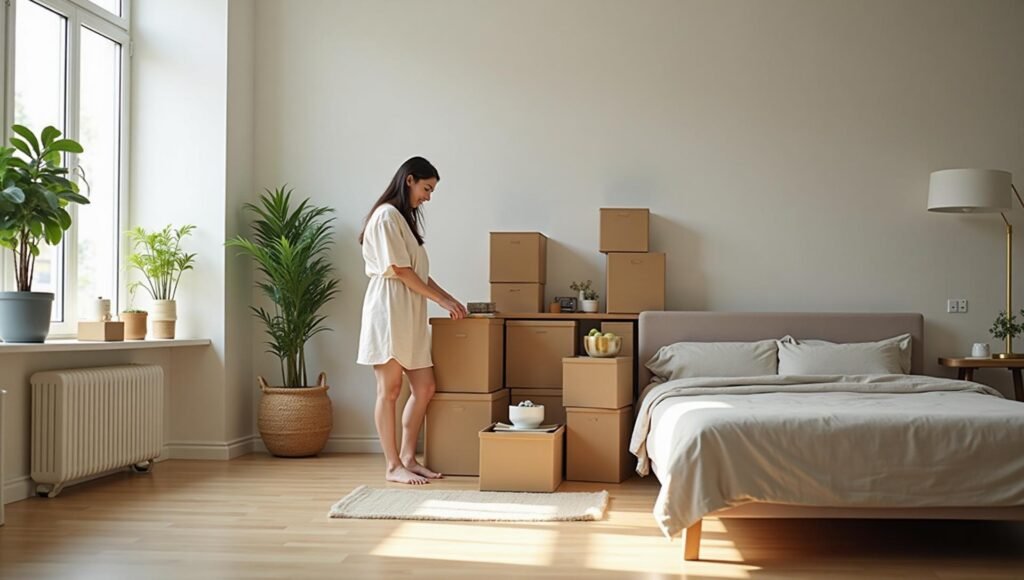
Try integrating these straightforward strategies into your weekly routine:
- The 15-minute evening sweep: Set a timer right after dinner and have everyone in the family pick up items left out during the day. Returning things to their designated spots prevents the dreaded morning scramble and teaches children responsibility.
- Implement a one-in, one-out rule: For every new toy, piece of clothing, or book brought into the house, ensure an older one is donated or recycled. This simple boundary keeps the total volume of your belongings completely neutral.
- Create functional drop zones: Use attractive baskets or hooks near the front door to catch mail, keys, and school bags before they migrate to the kitchen counter. Giving these items an immediate home stops the spread of clutter.
- Schedule a seasonal review: Every few months, take a quick walk through your main living areas to identify any new pain points. Address overflowing drawers or crowded shelves immediately before they spill over into the rest of the room.
Reclaiming space in a cluttered family home takes a bit of upfront effort, but the rewards are well worth the time investment. By understanding the psychological impact of mess, finding the right homes for your overflow, and adopting easy daily habits, you can transform your house from a source of stress into a sanctuary. A well-organised home gives you and your family the freedom to focus on what truly matters, creating lasting memories in a bright, welcoming, and entirely functional space.

