


Many women spend years feeling “off” without realizing they are experiencing perimenopause. This transitional phase before menopause often begins quietly, with symptoms that are subtle, inconsistent, or easily blamed on stress, aging, or a busy life.
Because perimenopause does not follow a predictable pattern, many women go untreated for years, assuming their symptoms are normal or unrelated. Understanding the hidden signs early can help prevent prolonged discomfort and long-term health consequences.
What Makes Perimenopause Hard to Recognize?
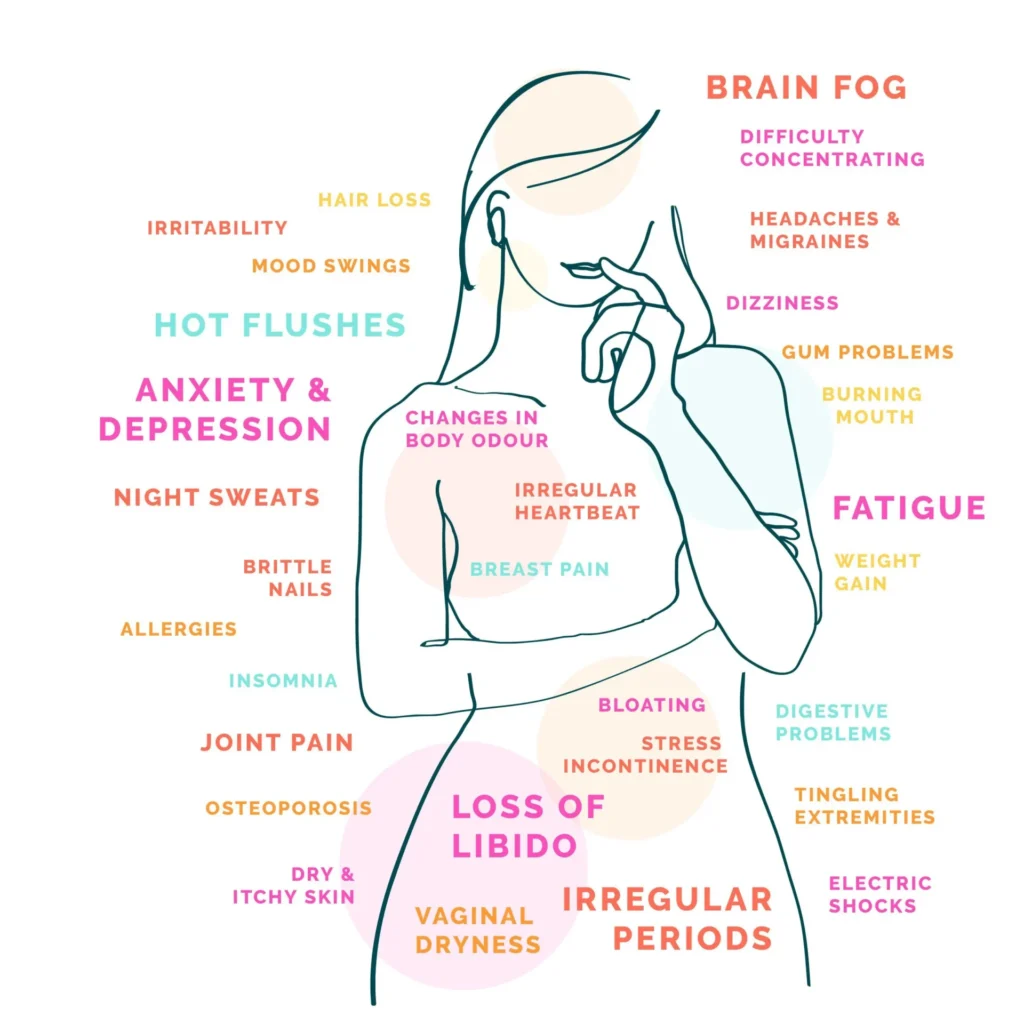
Perimenopause is driven by fluctuating hormones, not a steady decline. That fluctuation causes symptoms to come and go, change intensity, or appear unrelated.
Common challenges include:
- Symptoms that don’t show up on routine lab tests
- Cycles that are still technically “regular”
- Emotional or cognitive changes without physical explanations
- Sleep problems that appear suddenly and persist
As a result, many women are told everything looks normal, even when they clearly don’t feel normal.
7 Hidden Signs of Perimenopause Women Often Overlook

1. Mood Changes That Feel Out of Character
Irritability, emotional sensitivity, anxiety, or sudden frustration can appear without clear triggers.
Many women blame stress or personality changes when hormones are playing a major role.
2. Brain Fog and Difficulty Concentrating
Forgetfulness, mental fatigue, and trouble focusing are common early signs. These cognitive changes are often misattributed to burnout or a lack of sleep.
3. Sleep Disruptions Without Obvious Cause
Difficulty falling asleep, waking between 2 and 4 a.m., or racing thoughts at night can begin years before hot flashes.
4. Unexplained Fatigue
This fatigue does not improve with rest. It can feel like energy has been “turned down,” even with healthy habits in place.
5. Changes in Libido
A decrease in desire or lack of mental interest in sex often happens gradually and is rarely discussed.
6. Muscle or Joint Pain
Hormonal shifts affect inflammation and connective tissue, leading to aches, stiffness, or even frozen shoulder.
7. Subtle Cycle Changes
Periods may become slightly heavier, lighter, closer together, or farther apart long before they become irregular enough to raise concern.
Why These Symptoms Are Often Missed
Many of these signs are addressed individually rather than as part of a hormonal pattern.
Women are often told:
- Labs are “within range”
- Symptoms are stress-related
- Changes are part of getting older
What’s missing is context. Perimenopause affects multiple systems at once, including brain chemistry, metabolism, sleep cycles, and stress hormones.
How Perimenopause Affects the Whole Body
| System Affected | Common Changes | Often Misattributed To |
| Nervous system | Anxiety, brain fog, irritability | Stress or burnout |
| Sleep cycle | Insomnia, early waking | Poor sleep habits |
| Metabolism | Weight changes, fatigue | Diet or aging |
| Musculoskeletal | Joint pain, stiffness | Overuse or injury |
Why Early Support Makes a Difference
Addressing perimenopause early can:
- Reduce years of unnecessary discomfort
- Improve sleep and emotional stability
- Protect long-term bone, heart, and brain health
- Prevent escalation into more severe symptoms later
At Nourish House Calls, care focuses on identifying root causes rather than masking symptoms. This includes evaluating stress response, nutrient status, thyroid function, metabolic health, and hormonal balance to provide a comprehensive picture.
Signs It May Be Time to Seek Support
You may want a deeper evaluation if you notice:
- Multiple symptoms appearing at once
- Feeling dismissed despite ongoing concerns
- Symptoms that fluctuate but never fully resolve
- A sense that you “don’t feel like yourself anymore”
Perimenopause is not something women should have to push through alone.
Frequently Asked Questions
1. How early can perimenopause begin?
Perimenopause can start in the mid-to-late 30s, even when periods are still regular.
2. Can symptoms come and go?
Yes. Hormonal fluctuations cause symptoms to change in intensity and timing, which is why they’re often overlooked.
3. Are mood changes really hormone-related?
Hormonal shifts during perimenopause can strongly influence emotional balance, which is why mood changes often appear without an obvious reason.
4. Do I need hormone therapy during perimenopause?
Not always. Many women benefit from personalized combinations of lifestyle, nutritional, and hormonal support.
5. Can early treatment prevent worse symptoms later?
Yes. Early intervention can reduce the severity of symptoms, improve quality of life, and lower long-term health risks.

