


The sash in a house built before about 1950 was cut from old growth trees, slow grown, with growth rings packed far tighter than anything a timber yard sells today. That is why a 90 year old window frame is still standing while the pine deck put in 15 years ago is coming up in splinters, and it is why joiners and heritage bodies in 3 countries give the same advice, which is to fix the old one before ordering a new one.
Most of the trouble on an old window sits in the bottom 150 mm, the sill and the bottom rail of the lower sash, where rain lands and sits. The rest of the frame is usually sound. If the top two thirds of the window are solid, the bottom can almost always be rebuilt, and that is a fraction of the price of a new unit in a frame that still fits the wall.
Sign 1: The Sash Sticks, Or Will Not Stay Up On Its Own
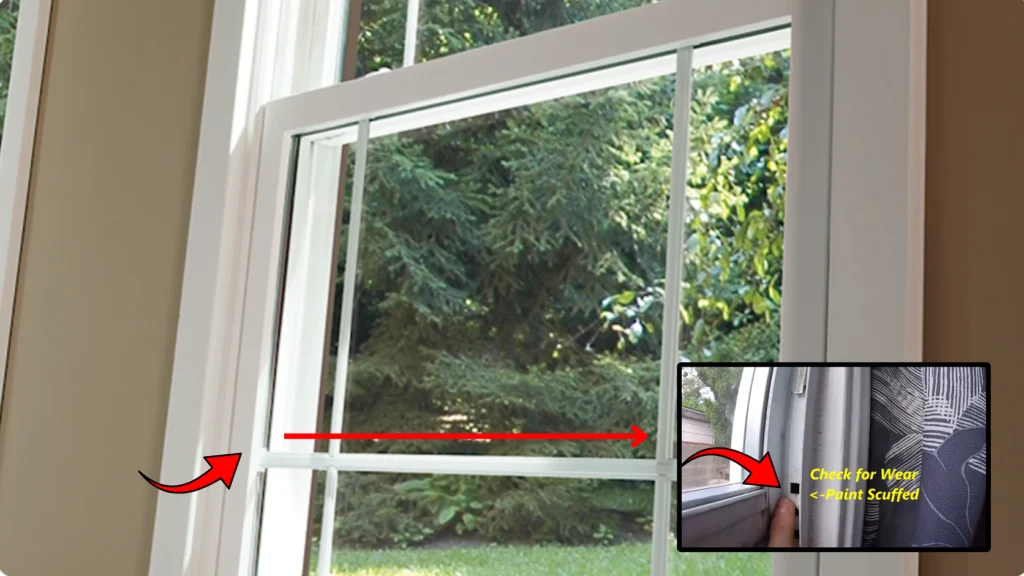
A double hung window that has to be propped open with a book has a broken cord or a tired spring balance, and a window that will not move at all has usually been painted shut. Neither is damage to the wood. Both get read as “the windows are done” by people who are about to spend a lot of money, and both are among the cheapest things a window technician does.
On an older sash the weight is carried by cotton or hemp cord running over a pulley to an iron weight hidden in the frame. The cord dries out and snaps after 30 or 40 years, the weight drops to the bottom of the pocket, and the sash becomes dead weight. New cord and the counterweight reset is a morning’s work per window. On a sash from the 1960s onward the cord is replaced by a spiral or spring balance, a metal tube with a spring inside, and those corrode and lose their pull in the same way. Companies that do this for a living list cord and balance work as a routine job on its own, priced separately from anything structural.
The painted shut sash is simpler still. Decades of paint have bridged the gap between the sash and the stop bead. A paint zipper or a utility knife run along the seam frees it, and a block plane takes a millimeter off the edge if the wood has swelled.
A window that sticks or sags is a hardware problem, not a wood problem, and it should never be the reason a frame comes out. The time it becomes a wood problem is when the sticking has gone on for years, water has been trapped in a sash that could not be opened to dry, and the bottom rail has started to soften, which is sign 3.
Sign 2: The Putty Has Cracked And The Glass Rattles In Wind
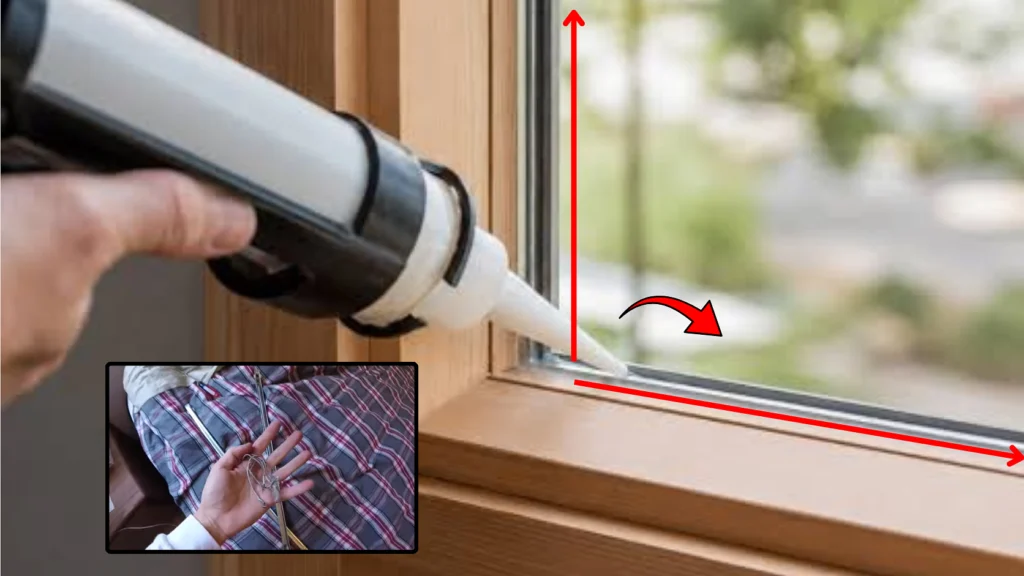
Run a fingernail along the angled bead of putty that holds the glass in on the outside. If it is cracked across, lifting at the edges, or missing in places, water has been getting in behind the glass and running down the inside of the rail, and that is where rot in a sash most often starts. Glass that rattles when a truck goes past is the same problem heard rather than seen. The putty has shrunk away and the pane is loose in its rebate.
Linseed oil putty lasts 20 to 30 years if it was painted when it went in, and most of it never was, so on a house from the 1940s it is on its second or third life. Replacing it means softening the old bead with a heat gun or a special infrared lamp, lifting the pane, cleaning the rebate, bedding the glass again in fresh putty and painting over the new bead once it has skinned, about a week later. It is slow and it is fiddly, and it is also the single repair that stops the rest of the window from going.
The National Park Service, which wrote the guide on this that American conservation offices still hand out, puts reglazing in its first class of work, routine maintenance, alongside paint and weatherstripping. Its Preservation Brief 9 also makes the point that decay in a poorly kept window usually starts at exactly this joint, where the glass meets the wood on the outside.
Two things to check while the fingernail is out. Old glass, with the slight ripple in it, is worth keeping and a good glazier will lift it whole. And if the putty is fine but there is a fog between 2 panes, the window is a modern double glazed unit, not an old one, and the sealed unit has failed, which is a different repair.
Sign 3: The Sill Or The Bottom Rail Gives Under A Screwdriver
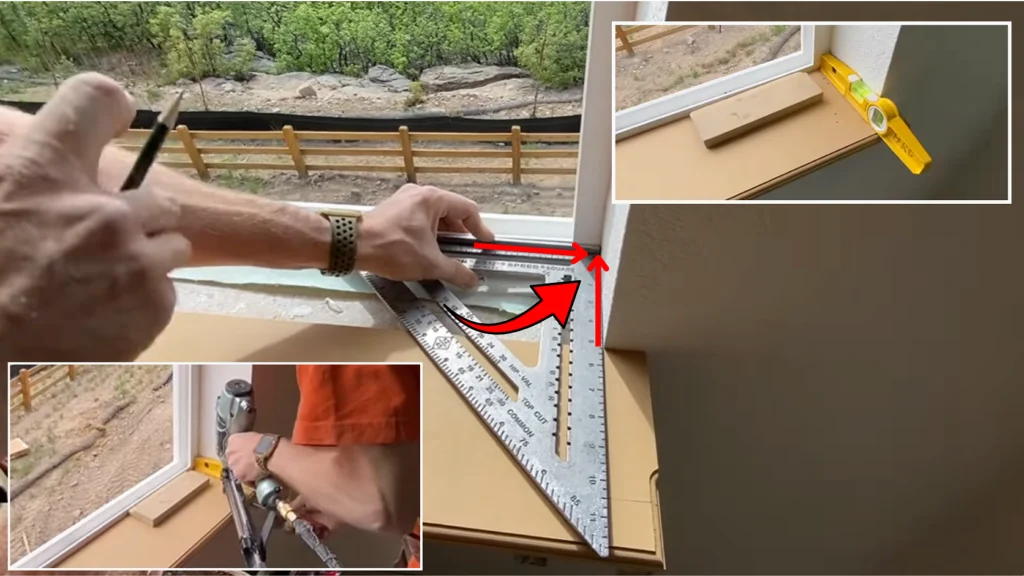
This is the one that decides it. Take a flat screwdriver or a bradawl and press it into the sill, the sloping piece of wood at the very bottom of the frame on the outside, and then into the bottom rail of the lower sash and the 2 joints where that rail meets the uprights. Sound wood stops the point dead. Wood with rot in it lets the point sink in with a soft, slightly damp give, sometimes under paint that looks perfect from a step back.
Press in several places, because rot is local. A sill can be soft for 100 mm at one end where a downpipe splashes it and hard as iron for the rest of its length.
What A Joiner Does With Soft Wood
The repair depends on how deep the point went and how far along it is soft.
- Shallow softness over a small area is dug back to sound wood, dried, soaked with a wood hardener and built up with a 2 part epoxy filler, then sanded and painted. The NPS guide calls this stabilization and gives it a class of its own.
- A rotten end of a sill or a rail is cut out square and a new piece of matching timber is glued and screwed in, which joiners call a splice or a Dutchman. The rest of the original stays.
- A bottom rail gone soft across its whole length, with the joints at both ends loose, is replaced as a piece. The sash comes out, the rail is remade, the sash goes back.
A whole sash can also be remade from scratch to the same pattern while the frame stays in the wall. That is what a joinery firm means when it lists sash replacement separately from full window replacement, and it is the service most people actually need when they think they need the second one. Firms in old suburbs do a lot of this. One that does timber window repairs in Sydney, for example, lists a custom built sash to match the existing style, with the paint and hardware included, as its answer to rot inside a sash, and keeps full replacement for the frames that have gone too.
The screwdriver test decides it. Soft in the bottom 150 mm and hard above it means the window is a repair. Soft in the jambs and the head as well means it is probably not.
When The Frame Has Gone Too, And A New Unit Is The Honest Answer
There is a point past which patching stops making sense, and it is usually reached in the frame rather than the sash. The signs that the whole window should come out are these.
- The screwdriver sinks into the side jambs or the head of the frame, not just the sill.
- The frame has moved in the wall, so the sash no longer sits square and there are gaps at the corners that were not there before.
- The joints have let go, with the uprights and the rails parting at the corners and the glass carrying the load.
- Rot has got into the wall framing behind the window, which shows as staining or softness on the inside reveal.
At that stage a new window, made to the same proportions and in the same material, is the right call and no conservation body would argue with it. Historic England, which covers more than 300,000 listed buildings and has the longest written record on this, puts it plainly on its own windows page: most traditional windows can be repaired, and the ones that cannot should be replaced like for like. Its longer guide, Traditional Windows: Their Care, Repair and Upgrading, has a section titled “Why is repair better than replacement?” that runs to 2 pages.
The short version of its answer is money and lifespan. A new timber window in fast grown plantation pine, painted at the factory, will need the same attention in 25 years that the old one needed after 80. A uPVC unit cannot be repaired at all when its hardware fails or its sealed glass fogs, and it will do both. The old sash, with a new bottom rail and fresh putty, has another 40 years in it, and the glass in it is the glass the house was built with.
So the order is what the title says. Fix the hardware, reglaze, splice the rot, and only when the frame itself has failed start pricing a new one.
The 15 Minute Check To Do On Every Window This Weekend
Go round the outside of the house with a screwdriver, a notebook and a pencil, and for each window write down 4 things.
- Does the sash move, and does it stay where it is put?
- Is the putty whole, cracked or missing, and does the glass rattle when the frame is tapped?
- Where does the screwdriver sink in, if anywhere, and how far along?
- Is there a downpipe, a garden tap or an overflowing gutter above or beside it?
The fourth question is there because wood does not rot on its own. It rots where water is delivered to it, and the sill that is soft at one end nearly always has a gutter or a pipe above that end. Fixing the water first is the only way the repair lasts, and it belongs on the same list as the other preventative home maintenance jobs that save thousands, because a $40 gutter repair this year is a $900 sill splice avoided in 5.
Take the notebook to whoever quotes the work. A technician who is shown exactly which windows stick, which need glass work and which have soft wood, and where, will quote 3 small jobs instead of 1 big one.

