


According to Justia, trespassing is a breach of criminal law. Being classified as a misdemeanor, trespassing records can tarnish personal integrity and jeopardize an individual’s future possibilities for career growth.
Most property crimes, including trespassing incidents, are never reported. The National Crime Victimization Survey’s Bureau of Justice Statistics said that only 30.5% of the property crime victims reported their experience to law enforcement agencies the previous year. The gap implies that victims of property crimes had less knowledge about legal rights, laws, and responsibilities for their protection.
In case of an arrest resulting from trespassing, it is normal to be overwhelmed and worry what would happen next. You must seek out a criminal defense lawyer to avoid this catastrophic outcome. According to criminal defense lawyer Patrick Crowe, Esq., it is important for an individual who finds out that he or she is under investigation of a crime to immediately hire a criminal defense lawyer. The lawyer will help protect one’s rights by utilizing a strong legal defense strategy.
The law offers important information to guide persons in understanding their rights when one accidentally finds oneself on another’s property or when property owners are involved with habitual trespassers.
Let’s discuss how one can prove that an act of trespassing has occurred and what remedies exist to deal with such an intrusion upon property rights.
What Constitutes Trespassing?
Trespassing may be defined differently as far as the law is concerned in different states. What is categorized as trespassing in one state may not necessarily be seen as trespassing in another state. The penalties also vary with different states.
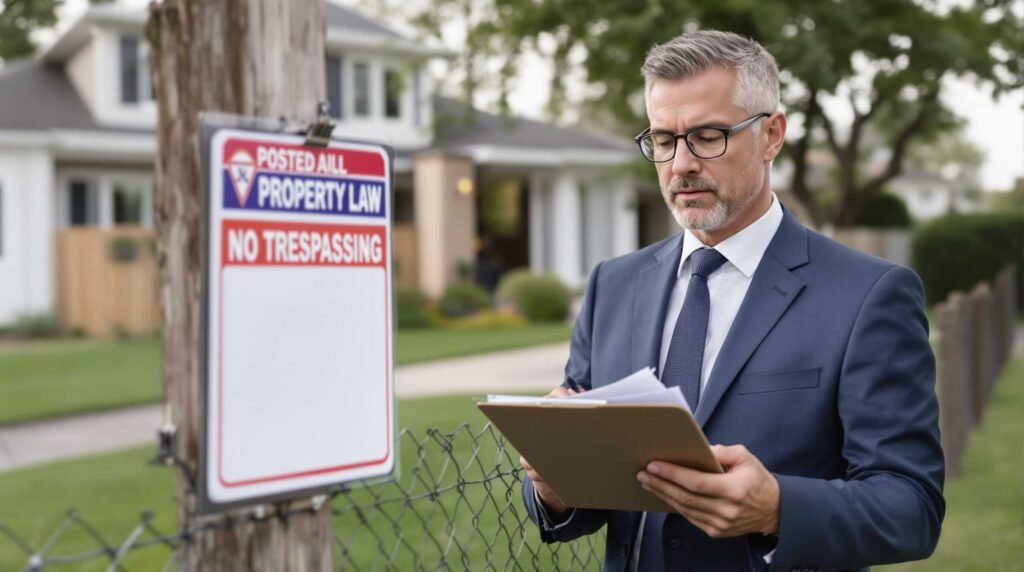
It is advisable for you to consult a lawyer to deal with these different interpretations of trespassing laws. For example, consider having Arizona’s trespassing laws explained by a lawyer so that you may steer away from action that might lead to a misdemeanor.
Trespassing refers to intentionally entering another’s property without specifically obtaining the owner’s permission. Such an act violates the owner’s rights to privacy and property. Trespassing requires actual physical entry into the property according to traditional legal standards.
Nonphysical intrusions, such as light or smell, are not considered trespassing by law. But a few jurisdictions permit limited exceptions to this rule. Examples are intangible intrusions, like particulate matter or certain kinds of pollution. Such intrusions may support a trespass action.
One of the common misunderstandings is that to trespass, one needs the intention to cause harm. One’s intent when entering another area is not a legal requirement for a trespassing case. In civil trespass law, it is not necessary that the person charged intended to trespass. One’s belief that a property is his or her land can be decisive in evaluating that person’s intention when entering.
A property owner can subsequently revoke the permission given to a person to come onto the premises. An individual who initially entered with consent could become a trespasser if they refuse to leave after being asked to.
Civil vs. Criminal Trespassing

Trespassing falls into two broad legal categories, which create distinct penalties for each category.
Civil trespass, as opposed to criminal trespass, involves entering or staying on private land without consent but without the intent of committing a crime. The civil court handles such cases because of the damages inflicted by the plaintiff landowner. In civil claims, even nominal damages can support a valid lawsuit. The owner does not need to prove significant financial loss.
Criminal trespassing requires a higher threshold of proof. Criminal trespassing occurs when someone enters another person’s property without authorization, especially if they have knowledge beforehand that such entry is prohibited or they refuse to leave after receiving an eviction order.
The Model Penal Code establishes a general framework that most states follow to determine if someone unlawfully entered or remained on property. The three elements that courts use to determine criminal charges include the presence of intent, prior notice, and the type of property at issue.
Types of Trespassing
Trespassing exists in various forms that extend beyond the division between civil and criminal law.
Some jurisdictions treat basic unauthorized entry onto unenclosed, unmarked land as a lower-level offense, which usually results in a minor misdemeanor charge. In some states, aggravated trespassing occurs when someone enters property with the purpose of threatening or harming others. This type of trespassing is classified as a felony charge.
Trespass to chattels refers to the unauthorized use of another person’s vehicle or equipment, which requires actual damage to the property involved.
The offense of conversion is a more serious property theft and happens when someone has taken control of another person’s property until its full value is destroyed.
Hunting-related trespass, which involves entering private agricultural land without the owner’s consent for the purpose of hunting, exists as a separate offense in various states. These states have established particular penalties based on land use.
Penalties for Trespassing
Most trespass offenses amount to minor misdemeanors punishable by imprisonment up to one year and a fine. The fines usually depend on the state laws and circumstances in which the case arises. People who are first-time offenders may be offered alternative sentences of probation or community service to avoid incarceration.
More severe situations make it possible to bring felony charges against someone. States reserve felony charges for the most dangerous trespassing situations, which include cases when people enter occupied residences and emergency response areas. Felony charges can be imposed if a trespasser’s actions endanger others. Certain locations, which include critical infrastructure facilities, trigger more severe punishments when trespassed upon.
A person who receives a misdemeanor trespass conviction must face multiple penalties that extend beyond financial penalties. They will acquire a criminal background that hinders their chances of obtaining work and housing and professional certification.
Property Owners’ Rights
Property owners have several legal tools available when dealing with trespassers. Property owners can use their right to evict a trespasser that they catch on their property without permission. Law enforcement officers have the authority to remove trespassers who refuse to leave after property owners make their request. Owners possess the right to file civil lawsuits against individuals who bring damage to their property.
The landowners have the right to use reasonable force to protect their property from intruders. Depending on the laws of this state, the landholders themselves would be liable for whatever injuries the trespasser has suffered on their land.
Defenses Against Trespassing Claims
The most basic defense of consent states that if a property owner allowed a person to enter their land, then that person has not committed trespassing. The defense of necessity protects defendants who needed to enter a property. Evidence must be shown that a defendant had to defend themselves or others or needed to safeguard belongings from imminent danger when no other options were available. The third defense approach uses lack of notice as its basis. A court may determine that someone did not have proper knowledge of entry restrictions when a property lacked any fencing or posted warning signs. Utility workers cannot be charged with trespassing for entering a property to perform their authorized services within their legal rights.
What to Do in a Trespassing Situation
The main objective for property owners centers on two tasks that require them to handle all situations while creating written records of their work. Begin documenting the incident when you or the property owner requests the trespasser to leave. Police should be called in if a trespasser refuses to leave or creates an immediate danger.
In case you are the alleged trespasser, one of the parties would be consulted right after the property owner decides to knock at the doors of law enforcement.
Key takeaways
Trespassing may be civil or criminal depending on the intention and awareness of the trespassing individual. Most criminal trespass actions are misdemeanors but there are trespassing cases that can be elevated to a felony.
A property owner is entitled to use reasonable force to fend off the trespasser in cases of immediate danger. The legal system recognizes consent, necessity, and lack of notice as valid defenses for trespassing charges.

