


Key Takeaways
- Patients now have access to a wide array of emerging options for addressing long-term tooth loss.
- Breakthroughs include state-of-the-art dental implant systems, advanced materials that rebuild enamel and experimental tooth regrowth treatments.
- These technologies are designed to improve patient’s oral health and restore confidence in their smiles.
Tooth loss continues to affect millions of people, leading not only to difficulties with daily activities such as chewing and speaking but also to reduced self-esteem and confidence. Modern advancements in dental technology have brought hope, offering long-term solutions that go beyond traditional methods. For those seeking comprehensive restoration, innovative treatments are making it easier than ever to regain function and aesthetics, including full mouth dental implants St Louis and emerging regenerative therapies. These advances are helping patients make more informed treatment decisions while improving both immediate outcomes and long-term oral health.
In the past, people had limited, often uncomfortable options for replacing lost teeth. Today’s breakthroughs in dental science offer promising alternatives, allowing patients not only to restore their smiles but also to look forward to improved oral health for years to come. These innovations target underlying issues associated with tooth loss, such as bone loss, gum health and enamel regeneration, to produce better clinical outcomes and higher patient satisfaction.
As dental professionals adopt more personalized and precise treatment techniques, the impact on long-term wellness is significant. Dental implant systems now offer greater reliability, while new therapies are exploring the potential for regrowing actual teeth. Together, these advancements enhance the quality of life for individuals struggling with tooth loss.
This article explores the most important innovations currently changing the landscape of dental care, from advanced implants and regenerative gels to groundbreaking regrowth therapies.
Advanced Dental Implants
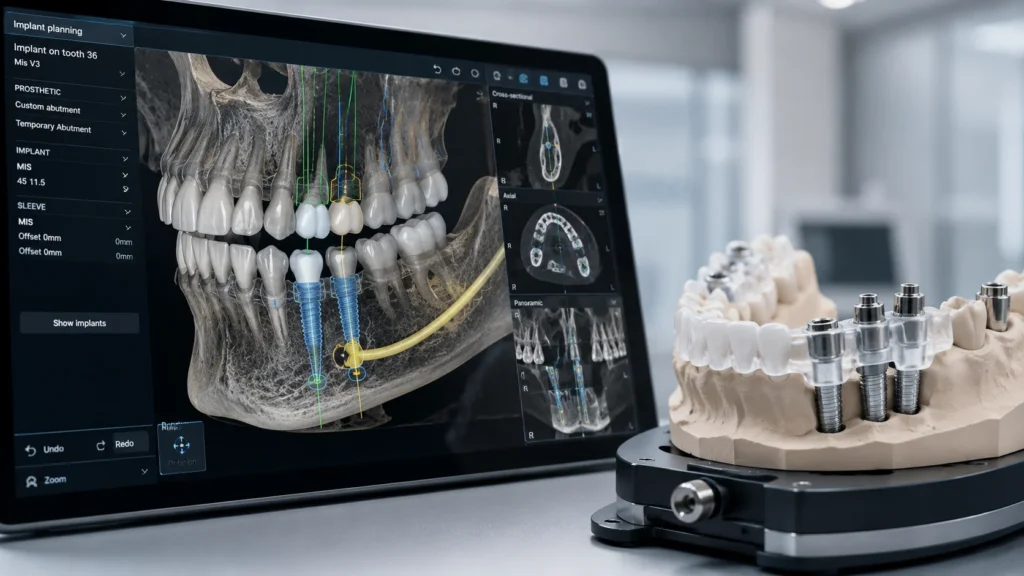
Dental implants have established themselves as one of the most reliable long-term solutions for tooth loss. Traditional implant procedures, while effective, can become complicated by anatomical changes, such as bone resorption after tooth loss. Fortunately, recent innovations have taken implantology a step further. One such example is the SmileInOne System (SiOS), which uses a Precision Placement Process to ensure implants fit perfectly and remain stable over time. This technology has particular value for patients who have experienced significant bone changes, providing a more predictable and comfortable outcome for full-arch replacements.
Modern systems like SiOS utilize digital planning and 3D imaging to map out implant placement with exceptional accuracy. This not only supports a natural appearance but also minimizes trauma to the surrounding bone and tissues, speeding recovery and reducing potential complications.
Enamel-Regenerating Gels

Enamel wear is a common complication that often accompanies tooth loss, especially as neighboring teeth take on extra stress. To counteract this, researchers at the University of Nottingham have created a protein-based, fluoride-free gel capable of regenerating enamel. This product emulates the body’s natural enamel formation, sealing micro-cracks and microscopic gaps that might otherwise develop into larger cavities.
Early studies have shown that this enamel-regenerating gel has the potential to dramatically reduce the number of fillings needed, thereby preserving the natural tooth’s structure. Patients benefit from a less invasive, longer-lasting solution that keeps enamel stronger and helps prevent sensitivity and decay.
Tooth Regrowth Therapies
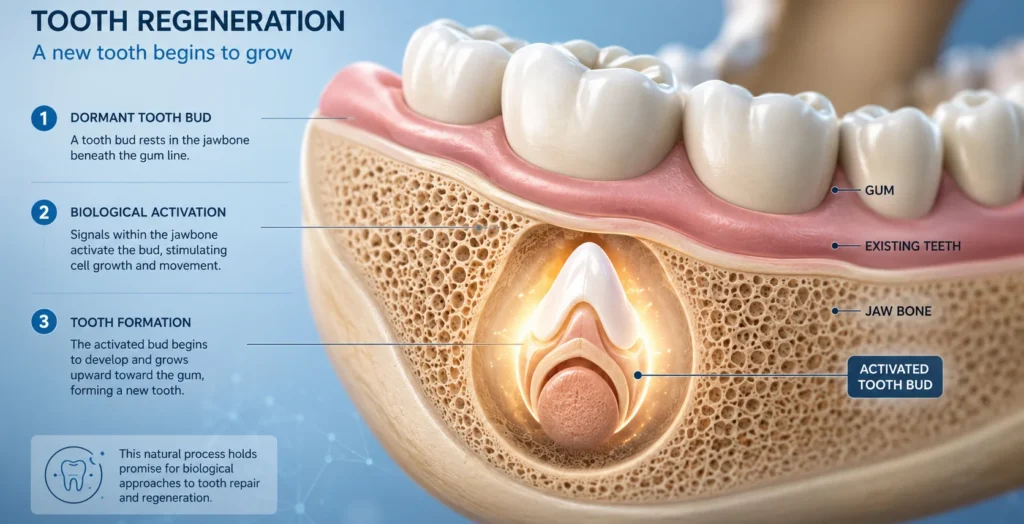
For decades, the idea of regrowing a missing tooth was the realm of science fiction. Recent clinical advances, however, lend credibility to the concept of therapeutic tooth regrowth. A promising example comes from Japan, where Toregem BioPharma is conducting clinical trials with the drug TRG035, targeting children born without certain teeth due to congenital conditions. This treatment works by activating dormant tooth buds to encourage new tooth formation, offering hope not just for children but also, eventually, for adults who have lost teeth due to trauma or disease.
While this therapy is still in the experimental stage, it’s potential to fundamentally alter the approach to tooth loss is significant. As research progresses, such regrowth therapies may offer an alternative to implants and bridges, reducing the physical and financial impact of tooth loss for many patients.
Lab-Grown Teeth
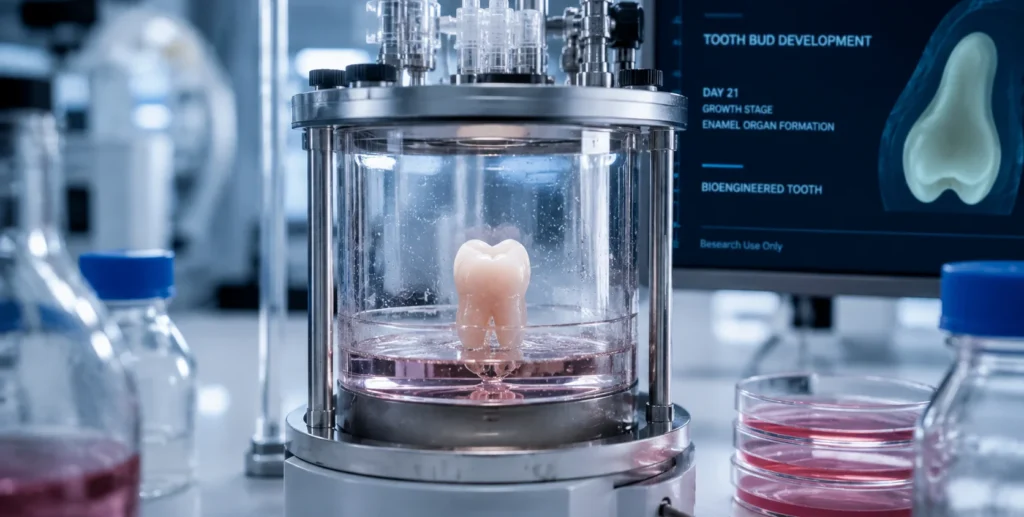
Lab-grown teeth represent another major leap in restorative dentistry. Scientists at King’s College London are making strides in cultivating teeth from patients’ own cells, allowing for replacements that more closely mimic natural teeth in both appearance and function. Unlike artificial implants, lab-grown teeth may one day fuse seamlessly with jawbone and gum tissue, enhancing their stability and potentially allowing them to self-repair minor damage over time.
This method could greatly reduce the reliance on foreign materials and invasive procedures. If successful on a broad scale, lab-grown teeth may become the gold standard for tooth replacement, especially for those seeking to restore full functionality and aesthetics with a solution that closely mimics a natural tooth.
Conclusion
The field of restorative dentistry is in the midst of a dramatic transformation, powered by innovative research and new clinical techniques. Advanced dental implants, enamel-regenerating gels, tooth regrowth therapies and lab-grown teeth are pushing the boundaries of what is possible for individuals suffering from long-term tooth loss. These technologies strive to restore not just smiles, but also confidence, comfort and overall wellness.

