


Lawn mowers turn rough grass into a clean, healthy lawn, but the blades and moving parts can cause serious injuries in seconds. Safe cutting starts long before you pull the starter cord or tap a button. You need a quick equipment check, a clear yard, and the right habits while you mow. Modern robotic models, such as the Sunseeker S4 with 3D LiDAR, vision AI, and bumper sensors, now scan the lawn in a 360° and 70° vertical range to detect and avoid over 360 types of obstacles. Your own behavior must match that same focus on awareness and control.
How Can You Stay Safe Before and During Lawn Mowing?
Inspect Your Lawn Mower Before Every Use
A fast pre-mowing inspection prevents most mechanical surprises. Check that all guards, shields, and discharge covers sit firmly in place. Make sure bolts, handle fasteners, and wheels feel tight, not loose or wobbly. Inspect the power source: for gas mowers, confirm there are no fuel leaks or strong gasoline smells; for electric or battery models, look for cracked cords, exposed wires, or damaged batteries. Examine the blade area with the mower off and the spark plug wire disconnected or battery removed. Clear built-up grass and debris from the deck. If you use a smart mower like the Sunseeker S4, verify sensors and bumpers are clean so they can properly detect obstacles and operate safely. Never ignore strange noises.
Wear Proper Safety Gear and Protective Clothing
Your clothing choices can decide how serious an accident becomes. Always wear closed-toe shoes with good grip, not sandals or bare feet. Long pants protect your legs from flying debris, small stones, and sticks. Choose a fitted shirt that will not hang into moving parts. Put on safety glasses or goggles to shield your eyes from dust and projectiles. Use hearing protection with loud gas mowers to prevent long-term hearing damage. Gloves give you better grip and protect your hands when you move branches or adjust the mower while it is off. Avoid jewelry, loose scarves, or dangling drawstrings. Tie back long hair. Simple, snug gear keeps you safe without making mowing uncomfortable or hard.
Follow Safe Lawn Mower Operating Practices
Safe mowing depends on clear habits every time you start the mower. Read the manual so you know how to start, stop, and shut off the engine quickly. Only start the mower outdoors on level ground, never inside a garage or shed with doors closed. Keep hands and feet away from the deck and discharge chute while the engine runs. Never lift or tilt a mower while the blade spins. If you hit an object, shut off the mower, disconnect power, and inspect for damage before restarting. For robotic models like the Sunseeker S4, set clear boundaries, keep sensors clean, and supervise during first runs. Always walk, never run, and keep full control of the mower at all times.
What Are the Most Important Lawn Mower Safety Rules to Prevent Accidents?
Keep Children, Pets, and Bystanders Away
Children and pets move suddenly, so you must create a clear safety zone before mowing. Ask children to stay inside or watch from a safe distance behind a solid barrier. Never let kids ride as passengers on a riding mower or operate any mower before they are mature and trained enough. Stop the mower if anyone enters your path. With robotic mowers, including advanced units like the Sunseeker S4, set up boundaries and no-go zones so the machine avoids play areas, pet spaces, and walkways. Educate family members about the dangers of spinning blades and flying debris. Store the mower, keys, and batteries out of children’s reach to prevent curious hands from starting it when you are not around.
Avoid Common Lawn Mowing Hazards and Mistakes
Many injuries come from simple habits that you can change easily. Before mowing, walk the yard and remove rocks, toys, sticks, and hoses that blades could launch like projectiles. Never mow while distracted or using headphones that block outside sounds. Do not adjust the discharge chute, unclog grass, or clean the deck while the engine runs or the blade can still spin. Shut off the mower and disconnect the spark plug wire or battery first. Avoid mowing near gravel driveways or loose stones at full speed. Schedule mowing for daylight or use proper lighting. Even with obstacle-detecting robotic mowers like the Sunseeker S4, you should keep the yard tidy to reduce unexpected stops, collisions, and hidden dangers.
Use Extra Caution on Slopes, Wet Grass, and Uneven Ground
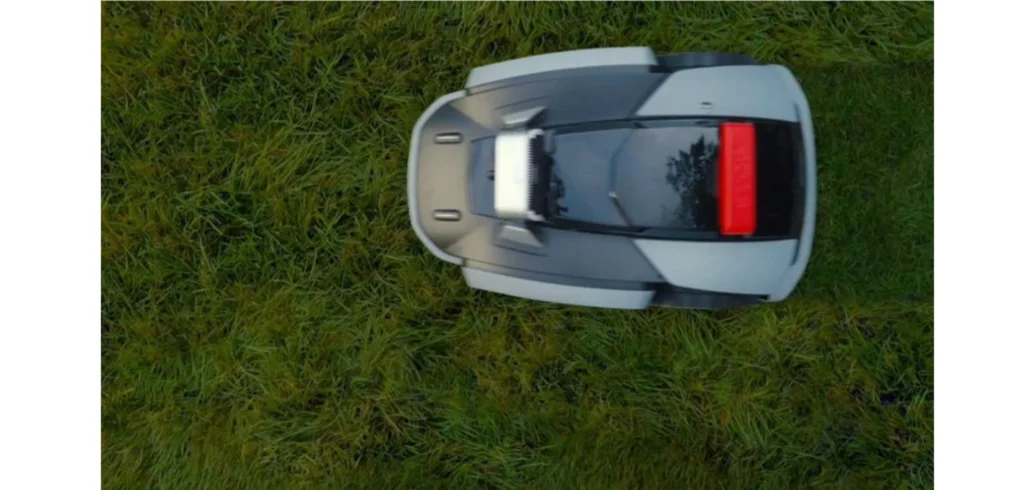
Challenging ground conditions increase the risk of slips, rollovers, and blade contact. Mow slopes when the grass is dry, since wet grass can cause wheels and shoes to lose traction. With walk-behind mowers, move across the slope, not up and down, so the mower does not pull you downhill. With riding mowers, drive up and down slopes, never sideways, to lower rollover risk. Avoid sudden turns or backing up without checking behind you. Reduce speed on rough, uneven ground and around holes, roots, or ditches. For robotic units like the Sunseeker S4, place boundary wires carefully around steep areas and hazards so the mower’s 3D LiDAR and vision AI can detect and avoid risky zones more effectively.
Conclusion
Safe lawn mowing depends on three pillars: preparation, protection, and smart operation. A quick inspection before every use catches loose parts, leaks, and damage. Proper clothing and safety gear shield you from debris and noise. Careful operating habits keep hands, feet, and bystanders away from danger. New technologies, such as the Sunseeker S4 with 3D LiDAR, vision AI, and bumper sensors, add a critical layer of obstacle detection and avoidance. Still, no machine can replace a careful operator. Build these safety steps into your routine, and you can enjoy a neat, healthy lawn with far less risk of accidents.

