


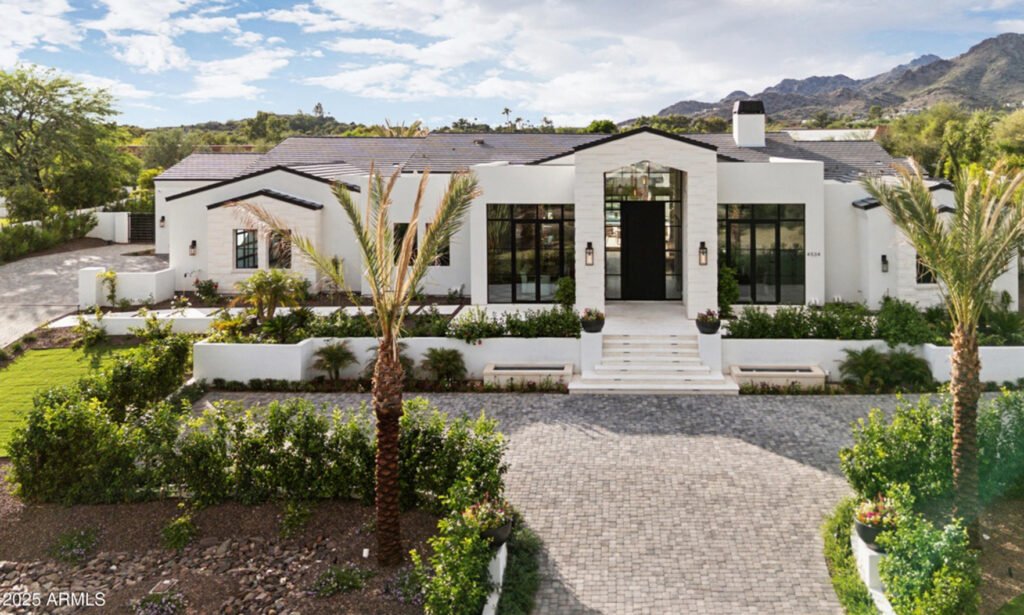
Buying a luxury home in Paradise Valley is about more than dramatic mountain views, resort-style pools, or an impressive square footage figure. The right property should make everyday life easier, protect your privacy, suit the way you host and work, and support your plans for the years ahead. A knowledgeable local advisor can help translate those priorities into a disciplined search. Paradise Valley, AZ real estate agent Charlie Yin serves buyers across Paradise Valley, Scottsdale, Arcadia, and nearby Phoenix-area communities, with a practice centered on luxury homes, investment property, and development opportunities. Charlie Yin’s website reflects a perspective shaped by real estate investment, luxury home-building, finance, and hospitality, which can be particularly valuable when a property has both lifestyle appeal and long-term potential.
Use this checklist to look beyond a home’s first impression. It will help you compare homes based on daily comfort, site conditions, ownership costs, and future flexibility before emotions take over the decision.
1. Start With How You Will Actually Use the Home
A large home can still be a poor fit if its layout conflicts with your routine. Before touring, define the property’s primary purpose: a full-time residence, seasonal escape, multigenerational home, investment, or future legacy asset.
- How many months each year will the home be occupied?
- Will children, frequent guests, household staff, or extended family need separate spaces?
- Do you value walkability and quick access to Scottsdale and Phoenix, or greater seclusion?
- Would a dedicated office, fitness room, guest casita, secure storage area, or oversized garage change daily life?
In Paradise Valley, indoor-outdoor living is often a major part of the experience. Prioritize a floor plan that connects comfortably to patios, shade structures, pool areas, and entertaining spaces without making routine maintenance unnecessarily complicated.
2. Set an All-In Budget Before You Fall in Love With a Home
The purchase price is only the starting point. Build a first-year ownership budget that includes the down payment or cash allocation, financing costs, closing costs, property taxes, insurance, utilities, security, landscaping, pool service, furnishings, repairs, and any immediate renovation work.
For example, a $3 million property may also require funds for a substantial earnest-money deposit, closing expenses, furnishing larger rooms, updating systems, and maintaining extensive grounds. A reserve for surprise repairs and seasonal service costs gives you more flexibility after closing.
3. Compare the Location, Not Just the Address
Two homes a short distance apart can feel entirely different. Test each location in the morning, afternoon, evening, and weekend hours. Notice traffic patterns, road noise, lighting, construction activity, cell service, and the time required to reach work, school, restaurants, healthcare, golf, hiking, and Phoenix Sky Harbor International Airport.
Paradise Valley can offer a quiet residential setting while remaining close to the amenities of Scottsdale and central Phoenix. That balance is appealing, but it also means buyers should decide whether convenience or a more private, tucked-away setting matters most.
4. Evaluate the Lot, Orientation, and Usable Outdoor Space
Listed acreage does not always equal usable acreage. Study the lot shape, access points, slopes, drainage paths, setbacks, easements, retaining walls, and possible placement of a pool, sport court, guest house, or future addition. Request a survey and obtain professional advice before assuming a desired project will fit.
Orientation matters in the Sonoran Desert. Window placement, shade, landscaping, and outdoor-room design can affect comfort throughout the year. The Department of Energy explains how site, climate, window orientation, and shading strategies work together in passive solar home design. For a Paradise Valley property, assess where intense afternoon sun reaches glass walls, patios, pool decks, and primary living areas.
5. Look Past Finishes During Every Tour
Natural stone, custom cabinetry, and staging can distract from expensive systems hidden behind the design. Inspect service areas with the same attention you give the kitchen and primary suite. Ask about the age, condition, maintenance history, and warranties for the roof, HVAC equipment, windows, plumbing, electrical panel, water systems, smart-home controls, pool equipment, and solar equipment.
Also, examine the garage, mechanical rooms, attic access, drainage near the foundation, exterior walls, gates, and retaining structures. For homes with specialized features, consider separate inspections by qualified roof, pool, structural, HVAC, solar, or landscape professionals.
6. Verify Zoning, Restrictions, and Future Plans
Confirm what you may change, add, rent, or rebuild before you remove major contingencies. Municipal zoning, homeowner’s association rules, deed restrictions, design-review standards, hillside requirements, and short-term rental rules can all affect how you use the property.
The Town’s Planning Division administers zoning, lot splits, combinations, special-use permits, and zoning-compliance reviews. Review neighboring parcels and public planning materials as well, especially if a view, privacy buffer, or nearby open space is central to your decision. A view is valuable, but it is not automatically permanent.
7. Build a Team With Local and Financial Expertise
Luxury transactions may involve more moving parts than a typical home purchase. Depending on the property and ownership structure, your team may include a real estate agent, lender, or private banker, attorney, tax advisor, insurance broker, inspector, architect, builder, and property manager.
Choose professionals who communicate clearly and can identify risk early. When evaluating an agent, ask about recent local work, familiarity with off-market opportunities, negotiating approach, and ability to coordinate due diligence without minimizing concerns.
8. Choose the Right Purchase Path
Move-In Ready
This path can provide faster occupancy and fewer early decisions. Still, confirm that “move-in ready” applies to systems and functionality, not only finishes.
Renovation
A renovation can create a highly personal home on a desirable lot, but it adds planning, budget, permitting, and timeline risk. Obtain contractor input before committing to a major remodel.
New Construction
New construction offers modern systems and customization, yet selections, site conditions, and construction changes can affect the final budget. The lowest acquisition price does not always create the lowest total cost.
9. Use a Simple Property Comparison Scorecard
After each showing, score the home from one to five in these categories:
- Location and convenience
- Privacy and neighborhood feel
- Lot quality and outdoor usability
- Architecture, layout, and natural light
- Condition and expected maintenance
- Renovation or expansion potential
- Operating costs and service requirements
- Resale appeal
- Family, guest, or school needs
- Emotional fit
The scorecard does not replace professional advice. It simply makes it easier to compare properties consistently when several homes have compelling features.
10. Prepare Before Making an Offer
- Confirm the buying entity and ownership structure.
- Secure pre-approval or organize proof of funds.
- Review comparable sales and likely competition.
- Read disclosures and inspect available property records.
- Estimate insurance, taxes, utilities, and maintenance.
- Set realistic inspection and due diligence deadlines.
- Identify the terms that matter beyond price, including closing timing and repairs.
- Keep funds available for deposits, closing costs, and immediate work after closing.
Common Questions From Paradise Valley Luxury Buyers
Should square footage be the main priority?
No. Layout, privacy, storage, ceiling height, outdoor living, natural light, and room placement often have a greater effect on everyday comfort.
Is a newer home always better?
Not necessarily. A newer home may offer current systems, while an older home may have a stronger lot, a preferred location, or better renovation potential.
When should an architect or builder join the process?
Bring them in before purchasing land or a significant fixer. Early input can reveal issues involving access, drainage, utilities, setbacks, design feasibility, and construction scope.
Final Perspective
The best Paradise Valley luxury home is not automatically the biggest, newest, or most expensive. It is the property that fits your routine, financial plan, privacy preferences, design goals, and long-term vision. A thoughtful process lets you enjoy the search while reducing the risk of costly surprises after closing.

