


Many households confront the challenges of hard water every day. Hard water is defined by a high concentration of minerals, particularly calcium and magnesium, that circulate in the water supply. Over time, these minerals can form deposits commonly referred to as scale inside pipes and appliances, reducing their efficiency and leading to frequent repairs or premature replacement. For many families, transitioning to a water softener system provides a noticeable relief from these problems and helps preserve both appliances and infrastructure.
Hard water not only affects your home’s plumbing but also diminishes the effectiveness of cleaning. Laundry can appear dingy, dishes may come out spotted, and showers often display persistent soap scum. On top of household cleaning woes, the minerals in hard water can also leave the skin dry and hair dull after washing.
How Water Softeners Work
Water softeners resolve mineral buildup issues through a process known as ion exchange. In this process, the system replaces calcium and magnesium ions with sodium or potassium ions. This simple swap effectively removes the primary culprits behind scale and buildup, resulting in water that is significantly easier on plumbing, appliances, and everything it touches within the home.
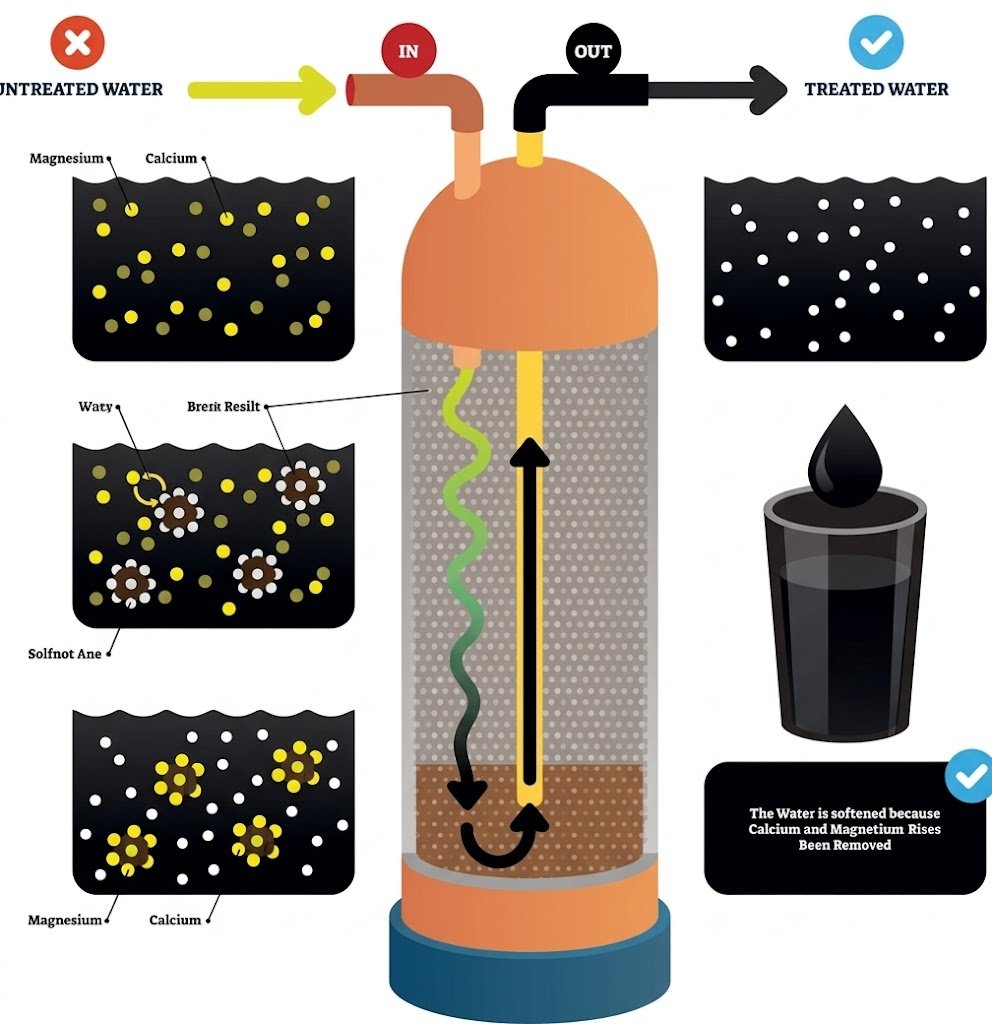
Modern water softeners are highly effective and designed for efficiency, providing a consistent supply of softened water to every tap and appliance in the house.
Benefits for Household Appliances
One of the most notable advantages of using a water softener is the increased efficiency and lifespan of household appliances. Appliances that use water like water heaters, dishwashers, washing machines, and even coffee makers are all susceptible to scale buildup from hard water.
- This accumulation forces appliances to work harder, increasing energy use and leading to costly repairs or replacements.
- By keeping water free of excess minerals, a water softener ensures these machines operate smoothly and last longer, providing critical savings over time.
- According to the U.S. Department of Energy, maintaining appliances in good condition can help reduce household energy consumption.
Improved Skin and Hair Health
Soft water can make a significant difference in personal care routines. Many people notice that their skin feels smoother and less irritated and that their hair appears shinier and more manageable. The absence of excess minerals in softened water means soaps and shampoos lather more effectively and rinse away cleanly, leaving less residue behind. This improvement is especially beneficial for anyone prone to skin conditions like eczema or psoriasis, as softened water is less drying and less likely to aggravate sensitive skin.
Enhanced Cleaning Efficiency
| Benefit | Description |
|---|
| Softened Water for Skin & Hair | Softened water is gentler on skin and hair, promoting better health and comfort. |
| Laundry Efficiency | Clothes washed in soft water are brighter and softer. |
| Dish Cleaning | Dishes come out sparkling without spots, enhancing cleanliness and appearance. |
| Reduced Soap & Detergent Use | Soft water allows for the use of less soap and detergent, as products work more effectively. |
| Time & Effort Saving | Cleaning becomes quicker and easier, saving you time and effort in your daily chores. |
| Cost Savings | Reduced need for cleaning products can save money over time. |
| Healthier Environment | Less chemical buildup results in a cleaner, healthier living environment. |
Environmental and Economic Advantages
By reducing reliance on harsh detergents and cleaning products and lowering energy use, water softeners contribute to both environmental conservation and household economics. Families often see lower utility bills due to increased efficiency, and reduced wear and tear on appliances translates into lower maintenance expenses.
The lowered discharge of detergents and chemicals into the wastewater system supports broader efforts to protect local waterways and ecosystems.
Choosing the Right Water Softener System
Selecting the optimal water softener depends on several factors, including the hardness level of your tap water, household size, and water usage. Some households may also need specialized models if they have unique water quality concerns (such as high iron content). Consulting with a water treatment professional can help you identify the right system to ensure consistent performance and optimal results for your home.
Maintenance and Care
To guarantee ongoing performance, regular maintenance of your water softener is essential. This may involve refilling salt reservoirs, cleaning the tank, and periodically checking for mechanical issues. Keeping up with these tasks helps sustain your softener’s efficiency and expands its lifespan, ensuring your investment continues to pay off over the long term.
For additional guidance, The Spruce offers practical advice on maintaining home water softener systems accessible to homeowners at every experience level.
Final Thoughts
In conclusion, investing in a water softener system offers comprehensive benefits for your home, appliances, and personal health. Alongside reducing costs and environmental impact, softened water can improve daily comfort for everyone in your household. Considering these advantages, installing a water softener is a smart long-term solution for any family looking to safeguard their home’s water quality and efficiency.

