


Flu season can bring uncomfortable symptoms that leave us feeling under the weather. Whether it’s a sore throat, body aches, or a stuffy nose, many of us turn to over-the-counter medications or even seek medical attention. However, in many cases, you can treat the flu effectively at home with simple, natural remedies. These remedies not only help you recover faster but also provide comfort and relief while you rest.
We’ll discuss a range of home remedies that can ease flu symptoms, boost your immunity, and promote faster recovery.
The following sections will cover practical tips, the role of nutrition, hydration, and rest, as well as some remedies passed down through generations. Through expert insights and researched suggestions, this guide aims to provide a comprehensive overview of home treatments that can complement any flu recovery plan.
The Role of Rest and Sleep in Flu Recovery
When the flu strikes, your body needs all the energy it can get to fight off the infection.
Rest is one of the most important factors in the recovery process, and it’s often underestimated.
The body’s immune system works overtime during illness, and rest provides the body with the opportunity to heal.
Expert Insight: Dr. Anusha, a family medicine specialist, states, “The importance of sleep during illness cannot be overstated. When we sleep, our body produces cytokines, which are crucial for fighting infections and inflammation. Without proper rest, the immune system can’t function at its best.”
Tips for Resting Properly:
- Try to go to bed earlier than usual to ensure you get adequate sleep.
- Take naps throughout the day to help recharge your immune system.
- Make your sleeping environment as comfortable as possible – use a humidifier if necessary to keep the air moist.
Hydration: The Key to Staying Healthy During the Flu

One of the simplest yet most important home remedies for treating the flu is staying hydrated. Flu symptoms, including fever, sweating, and congestion, can lead to dehydration. Drinking plenty of fluids can help keep your body’s systems functioning properly and assist in flushing out toxins.
Expert Insight: Dr. Emily Stone, a nutritionist, explains, “Fluids help to thin mucus, soothe a sore throat, and regulate body temperature. Dehydration can lead to complications like headaches and fatigue, which can make flu symptoms worse.”
Fluids to Consider:
- Water: Always the best choice, it keeps your body hydrated and flushes out toxins.
- Herbal teas: Ginger, chamomile, and peppermint teas can soothe the throat and provide comfort.
- Broths: Warm, clear broths are rich in minerals and electrolytes, helping with hydration and giving you the energy to fight off illness.
- Coconut water: A natural source of electrolytes that help restore lost minerals.
Nutrition: Fueling Your Body to Fight the Flu
Good nutrition is essential when you’re fighting the flu. Properly nourishing your body helps to strengthen your immune system, giving it the tools needed to battle the infection.
Foods That Boost Immunity:
- Citrus Fruits: Packed with vitamin C, citrus fruits like oranges, lemons, and grapefruits help boost your immune system and fight off infections.
- Garlic: Known for its antibacterial properties, garlic can help combat viral infections, including the flu.
- Ginger: A natural anti-inflammatory, ginger can ease nausea and help with congestion.
- Leafy Greens: Rich in antioxidants and vitamins, greens like spinach and kale strengthen the body’s defense system.
- Yogurt: Full of probiotics, yogurt helps maintain a healthy gut, which plays a crucial role in overall immunity.
Food to Avoid:
- Sugary foods: High sugar intake can suppress your immune system, making it harder for your body to fight infections.
- Processed foods: These often contain preservatives and artificial additives, which can weaken your body’s defenses.
Home Remedies for Sore Throat and Cough
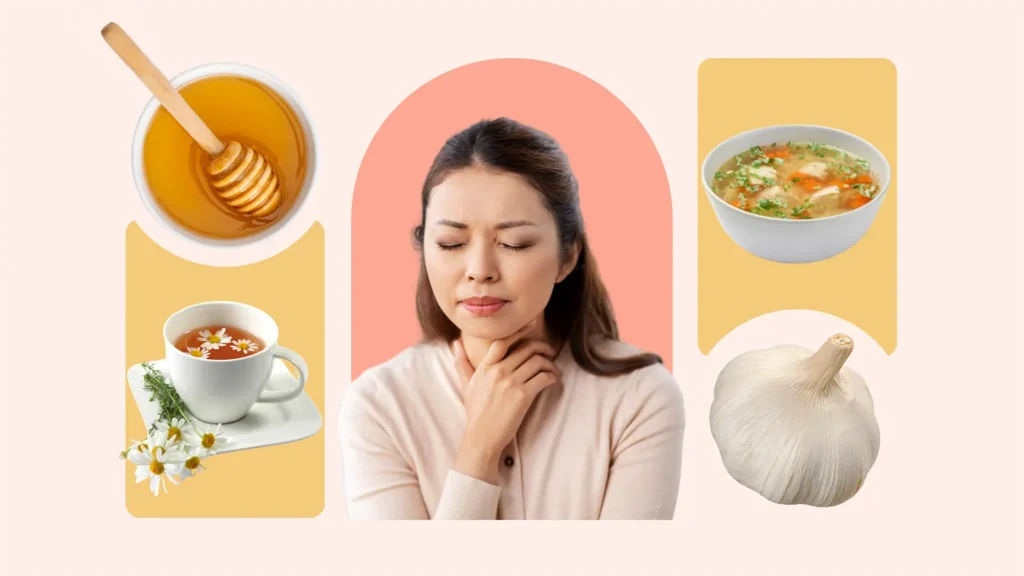
One of the most common symptoms of the flu is a sore throat or persistent cough. Fortunately, several home remedies can provide relief without the need for medication.
Gargling Salt Water:
- Salt water helps reduce inflammation in the throat and can kill bacteria or viruses that might be causing irritation.
- Simply mix a teaspoon of salt in warm water and gargle several times a day to relieve throat discomfort.
Honey and Lemon:
- Honey has natural antibacterial properties, and lemon is high in vitamin C, both of which help soothe the throat.
- Mixing the two in warm water can create a soothing drink that reduces irritation and helps with coughing.
Steam Inhalation:
- Inhaling steam can loosen mucus and relieve congestion in the chest, making it easier to breathe and clear your throat.
- Place your head over a bowl of hot water, drape a towel over your head to trap the steam, and inhale for about 10 minutes. Add a few drops of essential oils like eucalyptus or peppermint for added relief.
Natural Remedies for Congestion

Congestion is another hallmark of the flu, making it difficult to breathe comfortably. Fortunately, there are several natural remedies that can help clear your sinuses.
Saline Nasal Spray:
- A saline spray is an excellent remedy for clearing the nasal passages. It helps loosen mucus and soothes irritated nasal tissues.
- You can purchase saline sprays over-the-counter or make your own by mixing salt and water at home.
Steam Baths:
- Similar to steam inhalation for the throat, taking a warm bath filled with steam can help open up the nasal passages and clear congestion.
- Add a few drops of essential oils like eucalyptus, peppermint, or tea tree oil to the water for enhanced benefits.
Essential Oils:
- Eucalyptus oil is known for its ability to clear the airways. Place a few drops in a diffuser or apply it to a cotton ball to inhale the soothing vapors.
- Peppermint oil can also provide relief for congestion. It helps open up airways and soothes irritated muscles, which can help with the discomfort of coughing.
The Healing Power of Herbal Teas

Herbal teas are a comforting way to stay hydrated while also reaping the benefits of healing herbs. Certain herbs are known for their immune-boosting properties and can help alleviate flu symptoms.
Popular Teas for Flu Relief:
- Chamomile Tea: Known for its calming properties, chamomile tea can help reduce inflammation and promote relaxation.
- Peppermint Tea: Peppermint is an excellent remedy for relieving congestion and soothing an upset stomach.
- Ginger Tea: Ginger is an anti-inflammatory and can ease nausea, sore throat, and congestion.
- Echinacea Tea: Echinacea is believed to help boost the immune system, helping your body fight off viruses like the flu.
Hot and Cold Compresses for Body Aches
Body aches are common when you’re suffering from the flu. Using hot and cold compresses can help alleviate discomfort and ease muscle tension.
Cold Compresses:
- Apply a cold compress to areas where you feel muscle pain or inflammation. Cold helps reduce swelling and numb the area, providing temporary relief.
- Use a bag of frozen peas or ice wrapped in a cloth to avoid direct contact with your skin.
Hot Compresses:
- Hot compresses can help relax tense muscles and soothe pain. Use a warm towel or heating pad and apply it to areas that feel sore or stiff.
When to Seek Medical Attention
While many flu cases can be treated at home with rest, hydration, and natural remedies, it’s important to know when you need professional medical help. If you experience any of the following, you should contact a healthcare provider immediately:
- Difficulty breathing or shortness of breath
- Chest pain or pressure
- High fever that lasts for more than three days
- Severe headache that does not improve with treatment
- Persistent vomiting or diarrhea
Flu-related complications, such as pneumonia, can sometimes arise, so it’s crucial to seek medical attention if you’re not improving or if symptoms worsen.
Preventing the Flu
Prevention is always better than cure. While it’s not always possible to avoid getting the flu, there are several ways you can reduce your risk.
Vaccination:
- Getting a flu shot each year is one of the most effective ways to protect yourself from getting the flu. The flu vaccine helps your body prepare defenses against specific strains of the virus.
Hand Hygiene:
- Washing your hands regularly with soap and water is essential in preventing the spread of the flu virus. If soap and water are unavailable, use hand sanitizer with at least 60% alcohol.
Healthy Lifestyle:
- Maintaining a healthy lifestyle that includes a balanced diet, regular exercise, and adequate sleep helps keep your immune system strong and ready to fight off illness.
Conclusion
When flu season comes around, treating the flu at home can be both effective and comforting. Rest, hydration, proper nutrition, and simple remedies like herbal teas, steam, and salt gargles can go a long way in helping you feel better faster. By integrating these home treatments into your recovery plan, you not only alleviate symptoms but also support your body in its fight against the flu virus. Always remember, if symptoms worsen or you experience difficulty breathing or chest pain, don’t hesitate to seek medical attention. Stay informed, take preventive measures, and make self-care a priority during flu season.

