


Relocating to Bangkok in 2026 represents an exciting transition for international professionals. By late 2025, official civil registration data recorded nearly one million non-Thai residents living in the country. Today, expatriates make up approximately six percent of Thailand’s total population. The vast majority of these arrivals gravitate toward central Bangkok, drawn by its multinational business hubs, world-class healthcare facilities, and comprehensive English-language infrastructure. As a major regional aviation hub, the city also offers unparalleled connectivity for those travelling across Southeast Asia for work or leisure. However, finding the right property in a bustling metropolis with a core population of 5.42 million people requires a strategic approach.
Navigating the current rental market means balancing location, transport access, and long-term comfort.
Understanding the Expatriate Hubs
The Sukhumvit corridor remains the primary target for international renters. Throughout late 2025, this central stretch maintained some of the highest residential rental rates in the city, averaging 598 THB per square metre. Market analysts note highly resilient rental demand specifically for mid-Sukhumvit properties, driven by professionals who require quick access to the central business districts of Silom and Sathorn. The area is renowned for its cosmopolitan atmosphere, featuring diverse supermarkets, luxury fitness centres, and premium shopping malls like EmQuartier and Terminal 21.
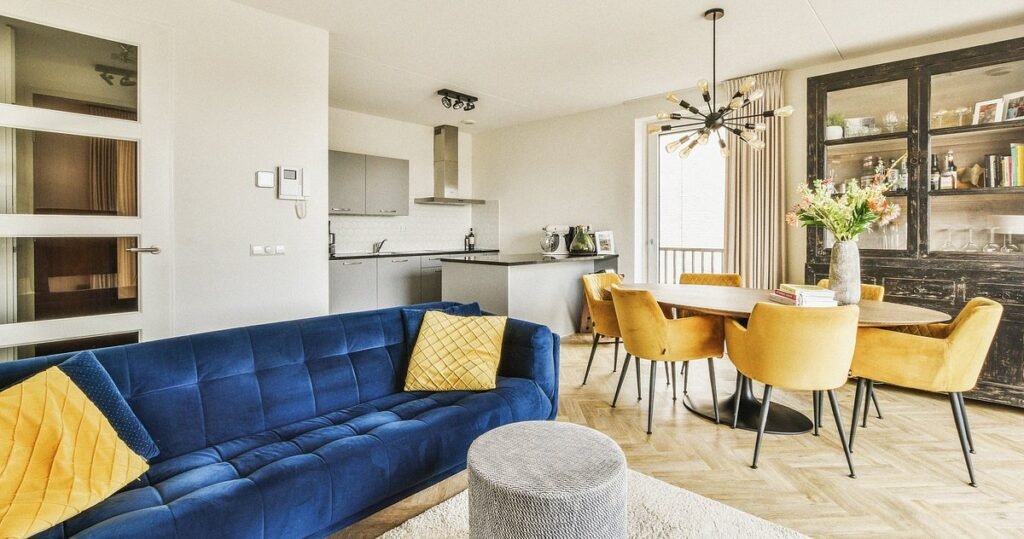
Because developers have significantly slowed the completion of new mass-market condominiums in these core downtown areas, existing rental stock in prime locations has become highly sought after. Finding a spacious, well-managed property requires diligent research. For instance, choosing an apartment for rent near BTS station Nana places residents directly in a dynamic, highly connected neighbourhood that caters specifically to international tastes. Areas like Nana, Asoke, and Thonglor offer an ideal blend of commercial centres, top-tier international schools, and premier dining options that make daily life remarkably convenient.
Prioritise Proximity to Mass Transit
One of the most critical factors when selecting a home in Bangkok is the daily commute. The city’s famous traffic congestion makes living near the BTS Skytrain or MRT subway systems a major lifestyle advantage. Over its history, the BTS network has expanded to 138 kilometres of rail, successfully managing a daily ridership of over 723,000 passenger trips. Opting for a transit-accessible property allows relocating expatriates to bypass the expense and stress of personal car ownership. Financial models estimate that avoiding a vehicle saves upwards of 15,000 THB monthly when factoring in fuel, comprehensive insurance, maintenance, and private parking fees.
Furthermore, the benefits of transit-oriented development go far beyond simple convenience and financial savings. Research by the Mineta Transportation Institute at San Jose State University evaluated the measuring benefits of transit oriented development, specifically highlighting positive residential property valuation and tangible health benefits associated with train station access. The Bangkok Mass Transit System actively monitors air quality along its corridors, tracking localised reductions in particulate matter to ensure healthier urban environments for nearby residents. Living steps from a station guarantees you can navigate the city efficiently, regardless of the unpredictable monsoon rains or rush-hour gridlock.
Budgeting for Your Bangkok Home
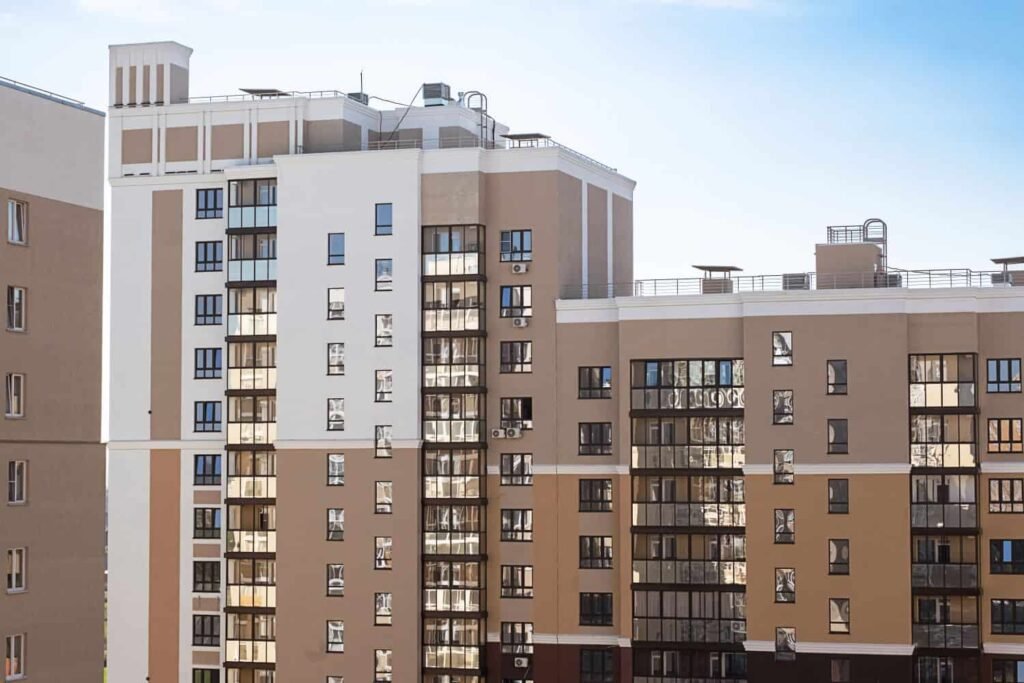
Understanding the financial realities of the 2026 property market will help you negotiate a fair lease and avoid unexpected costs. Residential properties located immediately adjacent to mass transit stations boast noticeably higher long-term tenant retention rates, making them a premium choice for landlords and property management companies.
When planning your housing budget in central Bangkok, consider the following baseline costs:
- Base Rent: Modern, one-bedroom condominiums in premium zones typically rent for between 18,000 and 25,000 THB per month, while larger family units can easily exceed 50,000 THB.
- Essential Utilities: Foreign residents should allocate between 2,500 and 3,500 THB monthly for utilities. This usually covers high-usage air conditioning and high-speed fibre internet, which are both crucial for comfortable tropical living.
- Transit Allowances: A revised fare structure for the BTS Green Line was introduced recently, with a maximum trip cost of 45 baht. Factoring this into your daily commute is far more economical than running a personal vehicle and paying for inner-city parking.
Creating a Comfortable Living Space
Once you have secured a lease in a prime neighbourhood, the next step is transforming the space to suit your personal lifestyle. Even a fully furnished apartment will benefit from your personal touches. Small adjustments to lighting, the addition of local artwork from nearby markets, or bringing in tropical indoor plants can dramatically change the atmosphere of a high-rise condominium, making it feel less like a temporary stay and more like a permanent home.
For ongoing advice on making your new space feel inviting, you can browse articles on home and living to gather fresh ideas on property design and layout optimisation. Whether you prefer a minimalist aesthetic with clean lines or a vibrant, eclectic environment filled with Thai textiles, taking the time to curate your interior ensures your Bangkok apartment truly feels like a sanctuary amidst the energetic pace of the city. Taking a thoughtful approach to both location and interior design guarantees a successful international relocation.

